
Thinking about moving your toilet but worried it might be too complicated because of that concrete slab? You’re not alone.
Many homeowners face this challenge and wonder if it’s even possible without tearing up their entire bathroom floor. The good news is, you can move a toilet on a concrete slab—but it takes the right approach and some careful planning.
Keep reading, and you’ll discover exactly what you need to know to make the process smoother and avoid costly mistakes. Your bathroom upgrade could be easier than you think.
Assessing The Concrete Slab
Moving a toilet on a concrete slab needs careful planning. The slab must be strong and suitable for the change. Assessing the concrete slab helps avoid problems during the move. It tells you what work to expect.
Check the slab’s thickness and condition first. Knowing where pipes run under the slab is also key. These steps protect the slab and plumbing during the project.
Checking Slab Thickness And Integrity
Start by measuring the slab thickness. A slab less than four inches thick may not support changes well. Look for cracks or weak spots on the surface. These signs show if the slab needs repair first. Solid, thick slabs handle toilet moves better. Use a hammer or drill to test hardness. Soft spots mean the concrete is damaged or old.
Locating Plumbing And Drainage Lines
Find where plumbing pipes are under the slab. Use a pipe locator tool or check building plans. Mark the drain line and water supply locations. Knowing pipe spots prevents damage during slab cutting. Avoid cutting near pipes to keep plumbing intact. This step saves money and future repairs. Marking lines helps plan the toilet’s new spot carefully.
Planning The Toilet Move
Moving a toilet on a concrete slab requires careful planning. You cannot just place it anywhere. The position must be right for plumbing and comfort. Proper planning saves time and money during installation. It helps avoid mistakes that could cause leaks or damage.
Measuring New Toilet Position
Start by measuring the new toilet spot precisely. Measure from the wall to the drain pipe center. This is called the rough-in measurement. Standard rough-in sizes are usually 12, 10, or 14 inches. Make sure the new location fits these measurements. Also, check space around the toilet for user comfort. Leave enough room for cleaning and movement.
Understanding Plumbing Code Requirements
Learn local plumbing codes before moving the toilet. Codes ensure safe and proper installation. They regulate pipe sizes, venting, and distances. Follow code rules to avoid fines or future problems. Check if permits are needed for the move. Hiring a licensed plumber can help meet code standards. Proper code compliance protects your home’s plumbing system.
Tools And Materials Needed
Moving a toilet on a concrete slab requires the right tools and materials. You need to prepare carefully to avoid damage and ensure a smooth job. Having the proper equipment makes the task easier and safer.
This section covers the main tools and materials needed for the project. It will help you gather everything before you start work.
Essential Plumbing Tools
Start with basic plumbing tools. A pipe wrench helps to loosen and tighten bolts. An adjustable wrench is useful for various sizes of nuts and bolts. A hacksaw cuts metal pipes if needed. A plunger can clear minor clogs before removal. A putty knife removes old wax rings. A tape measure ensures the new toilet fits the space. Gloves protect your hands from dirt and sharp edges. A bucket catches water from pipes during disconnection.
Concrete Cutting Equipment
Cutting concrete requires special tools. A concrete saw or angle grinder with a diamond blade works best. These tools cut through thick slabs cleanly. Safety gear is important: goggles protect your eyes from dust. Ear protection blocks loud noise. A dust mask prevents inhaling fine particles. Mark the area before cutting to guide your work. A chisel and hammer help remove small concrete pieces after cutting. Keep water nearby to reduce dust while cutting.
Removing The Existing Toilet
Removing a toilet on a concrete slab takes care and the right steps. This process prepares the area for moving or replacement. It’s important to do it safely to avoid water damage or injury. Follow these clear steps to remove your toilet correctly.
Shutting Off Water Supply
Start by turning off the water supply to the toilet. Look for the shut-off valve near the base of the toilet. Turn the valve clockwise until it stops. Flush the toilet to drain most of the water from the tank. Use a sponge or towel to soak up any remaining water. This prevents leaks and spills during removal.
Detaching And Lifting The Toilet
Next, disconnect the water supply line from the toilet tank. Use a wrench to loosen the nut carefully. Remove any caps covering the bolts at the base. Unscrew the nuts holding the toilet to the floor bolts. Gently rock the toilet side to side to break the seal. Lift the toilet straight up and place it on a protective surface. Check the old wax ring on the flange and clean the area before moving forward.
Modifying The Concrete Slab
Modifying a concrete slab is a critical step when moving a toilet. It involves changing the solid base to fit new plumbing. This process requires careful planning and the right tools. Doing it correctly prevents future leaks and damage.
Concrete is tough and cutting it takes effort. You must create space for the new drain location. This change allows proper waste flow and meets building codes. The work can be dusty and noisy but is necessary for success.
Cutting And Removing Concrete
Start by marking the area where the new drain will go. Use a concrete saw to cut along these lines. Make sure to wear safety gear like goggles and a mask. Cut deep enough to reach the slab’s full thickness.
After cutting, break up the concrete with a hammer or jackhammer. Remove all pieces carefully to avoid damaging pipes or wires below. Clean the area so it is ready for new plumbing work.
Preparing The New Drain Location
Check the ground under the slab for proper slope and stability. This ensures water flows correctly toward the sewer line. Adjust the soil if needed to create a solid base.
Install new drain pipes according to local plumbing rules. Secure pipes to prevent movement and leaks. Finally, prepare for concrete pouring to seal around the new plumbing.
Relocating Plumbing Lines
Relocating plumbing lines is a key step when moving a toilet on a concrete slab. Plumbing pipes are fixed in place and must be carefully adjusted to fit the new toilet location. This task requires precision and planning to ensure everything works smoothly without leaks.
Moving plumbing lines involves two main parts: drain pipes and water supply lines. Both must be changed correctly to avoid problems like clogs or water damage. Understanding these parts helps in making the move successful.
Adjusting Drain Pipes
Drain pipes carry waste away from the toilet to the sewer. These pipes are usually made of PVC or cast iron. When moving the toilet, the drain pipe must be cut and extended to reach the new spot.
It is important to maintain the right slope for the drain pipe. This slope helps waste flow smoothly out of the toilet. Too little slope causes clogs; too much can cause water to flow too fast.
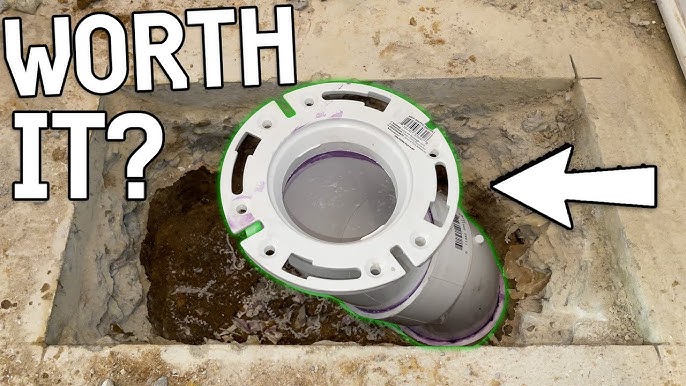
New pipe sections need to be joined tightly with proper seals. This prevents leaks and bad smells. Sometimes, a new drain flange must be installed on the concrete slab to fit the toilet’s new position.
Reconfiguring Water Supply Lines
The water supply line brings fresh water to the toilet tank. It usually runs inside the wall or under the floor. Moving the toilet means rerouting this line to the new location.
New piping may be needed to connect the water supply valve to the toilet. The connection must be secure to avoid leaks or water pressure problems. Using flexible supply lines can make this easier.
Shutting off the main water supply before any work is critical. After installation, check all connections for leaks by turning the water back on slowly.
Installing The Toilet In New Spot
Installing the toilet in a new spot on a concrete slab requires careful steps. You need to prepare the area, fit the toilet properly, and make sure it works well. This process avoids leaks and keeps the toilet stable over time. Proper installation helps prevent future problems.
Sealing And Securing The Toilet
Start by placing a new wax ring on the flange. This creates a tight seal between the toilet and the drain pipe. Carefully lower the toilet onto the flange, aligning the bolts. Press down firmly to compress the wax ring and make a good seal.
Next, secure the toilet with bolts on each side. Tighten them evenly to avoid cracks. Use washers and nuts to hold the toilet tightly to the slab. Avoid overtightening, as it can damage the porcelain. Finally, apply a bead of silicone caulk around the toilet base for extra protection.
Testing For Leaks And Stability
Flush the toilet several times after installation. Check the base for any water leaks. Look under the toilet and around the flange area. Also, gently rock the toilet side to side. It should feel solid and not move.
If there is any wobbling, adjust the bolts or add shims. Recheck the seals to ensure no water escapes. Testing early prevents costly repairs later. A stable and leak-free toilet means a successful move on the concrete slab.
Credit: www.mrrooter.com
Common Challenges And Solutions
Moving a toilet on a concrete slab has its challenges. These challenges can delay the project or cause extra expenses. Knowing these common issues helps you prepare better. Solutions are available for most problems you face. Understanding these will make the move easier.
Dealing With Concrete Damage
Cutting into a concrete slab can cause cracks or chips. This damage may weaken the floor or look bad. To avoid this, use the right tools like a concrete saw. Work slowly and carefully to control the cuts.
If cracks appear, patch them with concrete filler. Let the filler dry fully before placing the toilet. Seal the edges to stop water from seeping in. This protects the slab and keeps the area clean.
Handling Plumbing Misalignments
Plumbing pipes may not line up with the new toilet position. Pipes that are too far or too close create installation problems. Adjusting pipes inside concrete slabs is tough but possible.
Use flexible connectors to bridge small gaps. For bigger changes, cut and reroute pipes carefully. Hire a plumber if the job is complex. Proper alignment prevents leaks and ensures the toilet works well.
When To Hire A Professional
Moving a toilet on a concrete slab can be tricky. Some tasks are simple, but others need special skills. Knowing when to hire a professional helps avoid costly mistakes. It ensures the job is done right and safely.
Complex Plumbing Adjustments
Changing the toilet position often means changing plumbing pipes. Pipes under concrete slabs are hard to reach and fix. A professional plumber knows how to handle these changes. They have the tools to cut and connect pipes properly. Mistakes can cause leaks or water damage. Professionals prevent these problems by doing precise work.
Structural Concerns
The concrete slab itself may need work. Moving a toilet could require cutting into the slab. This affects the floor’s strength and stability. Professionals understand how to maintain the slab’s structure. They use the right methods to avoid cracks or breaks. Hiring an expert protects your home’s foundation and safety.
Credit: www.youtube.com

Credit: www.stsplumbing.com.au
Frequently Asked Questions
Can A Toilet Be Moved On A Concrete Slab?
Yes, a toilet can be moved on a concrete slab, but it requires plumbing and concrete work.
How Hard Is It To Move A Toilet On Concrete?
Moving a toilet on concrete is difficult due to plumbing and cutting the slab.
What Tools Are Needed To Move A Toilet On Concrete?
Tools include a saw for concrete, plumbing wrench, new flange, and sealant.
Does Moving A Toilet On Concrete Require A Permit?
Most places require a permit because it involves plumbing and structural changes.
How Much Does It Cost To Move A Toilet On A Slab?
Costs vary but expect $500 to $2,000 depending on complexity and labor.
Conclusion
Moving a toilet on a concrete slab takes careful planning and skill. You must check the plumbing and make sure the new spot works. Cutting into concrete is hard but often needed. Always turn off water before starting the job.
Doing it right avoids leaks and damage later. If unsure, ask a professional for help. This way, your toilet will work well and last long.