
Have you ever noticed your smoke alarm suddenly blaring the moment your heater switches on? It’s confusing and a bit alarming—after all, you expect your smoke alarm to warn you about real dangers, not everyday appliances.
If this keeps happening in your home, you’re probably wondering why it’s happening and what you should do about it. Keep reading, because understanding this strange reaction can help you protect your home and avoid unnecessary panic. Let’s dive into what causes your smoke alarm to go off when your heater turns on—and how you can fix it.

Credit: www.youtube.com
Common Causes Of False Alarms
Smoke alarms sometimes sound off without any real danger. These false alarms can be frustrating and confusing. Understanding common causes helps prevent them. Many factors near heaters can trigger these alarms unexpectedly.
Dust And Debris Buildup
Dust inside smoke alarms can block sensors. Tiny particles from heaters or the environment settle in the device. This buildup confuses the alarm, making it think there is smoke. Regular cleaning reduces dust and false alarms. Use a soft brush or vacuum to keep sensors clear.
Steam And Humidity Effects
Heaters often produce steam or raise humidity. Smoke alarms can mistake steam for smoke. This is common near bathrooms or kitchens with heaters. High moisture levels cause alarms to beep falsely. Installing alarms away from moist areas helps avoid this problem.
Electrical Interference
Heaters with electrical parts can cause interference. This interference may disrupt the smoke alarm’s signals. Faulty wiring or outdated devices increase this risk. Ensuring proper installation and maintenance lowers false alarms. Check connections regularly to keep alarms stable.
Proximity To Heater
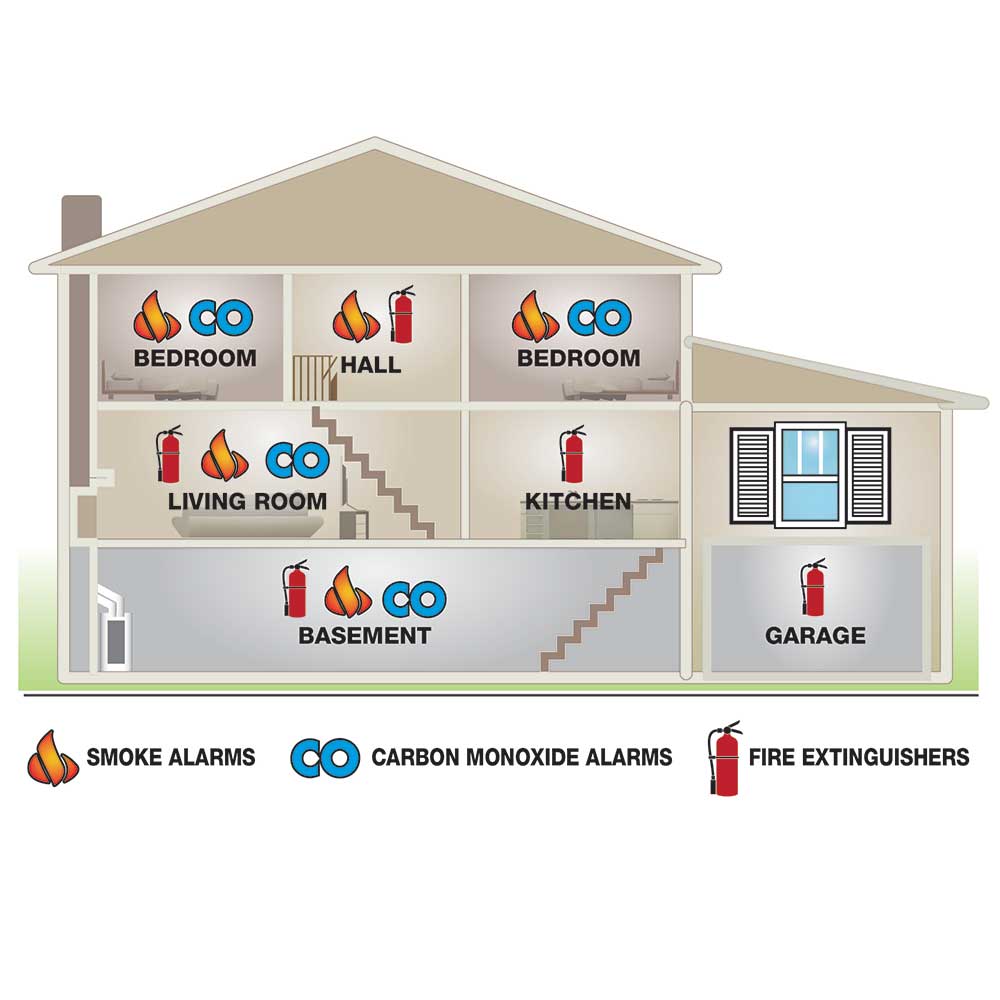
Placing a smoke alarm too close to a heater causes problems. Heat or small particles from the heater reach the alarm easily. This triggers the alarm without real smoke. Keep alarms at a safe distance from heaters. Follow manufacturer guidelines for proper placement.
Credit: www.firstalertstore.com
How Heaters Trigger Smoke Alarms
Heaters can cause smoke alarms to go off unexpectedly. This happens because smoke alarms are very sensitive to certain changes in the air. Understanding why this happens helps keep your home safe and prevents false alarms. Several factors linked to heaters can trigger these alarms.
Heat Sensitivity Of Alarms
Smoke alarms detect heat as well as smoke. Some alarms react to sudden rises in temperature. When a heater turns on, it quickly warms the surrounding air. This heat can set off the alarm, especially if the heater is close to the detector. Heat-sensitive alarms are designed to warn about fires but can be triggered by normal heater use.
Airflow And Smoke Detector Placement
Heaters change the airflow in a room. Warm air moves upward and spreads around. This airflow can carry dust particles or small smoke bits to the detector. If the smoke alarm is placed near the heater or in a spot with poor ventilation, it may sense these particles. Proper placement of smoke detectors can reduce false alarms caused by heaters.
Burning Dust Or Residue
Heaters can burn dust or residue inside them. This burning creates tiny smoke or odor particles. These particles are enough to trigger a smoke alarm. Regular cleaning of heaters removes dust and prevents this problem. Keeping your heater clean helps avoid false alarms and keeps the air fresh.
Preventing False Smoke Alarm Activation
False smoke alarm activation can be frustrating and unsafe. It often happens when a heater turns on. Preventing these false alarms keeps your home safe and peaceful. Simple steps can reduce unwanted alarms and improve detector reliability.
Regular Cleaning And Maintenance
Dust and dirt can block smoke alarm sensors. Clean your smoke alarms every month. Use a soft brush or vacuum cleaner. This removes particles that cause false alarms. Check batteries regularly and replace them if weak.
Optimal Alarm Placement
Install smoke alarms away from heaters and vents. Heat and steam can trigger false alarms. Place alarms in hallways or near bedrooms. Avoid kitchens and bathrooms where steam is common. Correct placement helps alarms detect real smoke only.
Using Heat-resistant Detectors
Choose smoke alarms designed to resist heat. Heat-resistant detectors ignore sudden temperature rises. They focus on smoke particles instead. This reduces false alarms caused by heater heat. Check product details before buying to ensure this feature.
Ventilation Improvements
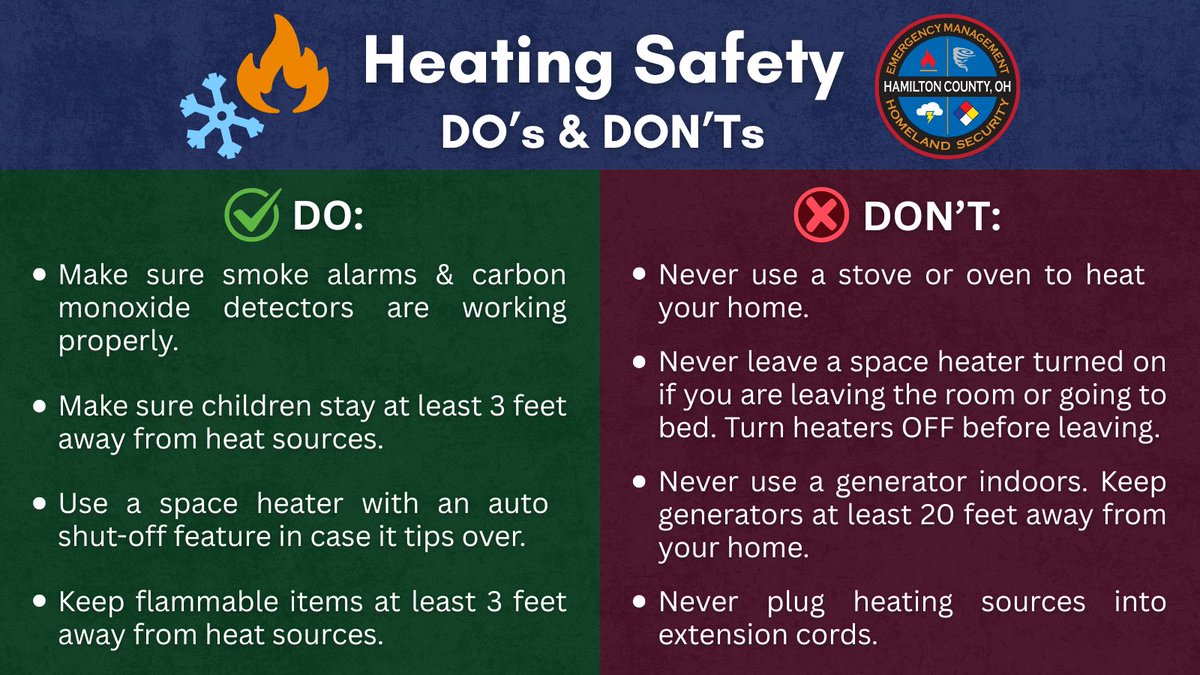
Good airflow prevents smoke alarm triggers from heater use. Open windows or use exhaust fans to improve ventilation. This lowers heat and fumes near alarms. Proper ventilation keeps air fresh and alarms accurate.
Credit: x.com
When To Replace Or Upgrade Your Smoke Alarm
Knowing when to replace or upgrade your smoke alarm is important for safety. Smoke alarms can wear out or become outdated. This can cause false alarms, especially when your heater turns on. Replacing or upgrading your alarm helps keep your home safe and avoids unnecessary alerts.
Age And Condition Of Alarm
Smoke alarms usually last about 10 years. After this, sensors can stop working well. Check your alarm’s date on the back. If it is older than 10 years, replace it. Also, if your alarm often gives false alarms, it may be time to change it. Dust, insects, or damage can affect its performance.
Technology Upgrades
New smoke alarms use better technology. Some detect smoke faster and reduce false alarms. Look for alarms with photoelectric sensors. They work well near heaters and kitchens. Some alarms connect to your phone for alerts. Upgrading can improve safety and reduce annoyance.
Professional Inspection
Have a professional check your smoke alarm every year. They can test if it works right and is placed well. Professionals can spot problems you might miss. They can suggest if you need a new alarm or upgrade. Regular inspections keep your home safer and alarms reliable.
Diy Fixes For Smoke Alarm Issues
Smoke alarms are important for home safety. Sometimes, heaters cause alarms to go off. This can be annoying and confusing. You can fix many alarm problems yourself. These simple steps help you save time and money.
Resetting The Alarm
Start by turning off the heater. Press the reset button on the smoke alarm. Hold it for 15 seconds. This clears any false alerts. Wait a few minutes. Then, turn the heater back on. Check if the alarm sounds again. Resetting often solves small glitches.
Testing Alarm Sensitivity
Smoke alarms can be too sensitive. Use the test button to check it. Press and hold the test button. The alarm should beep loudly. If it is too sensitive, dust or steam may trigger it. Clean the alarm gently with a soft brush. Avoid using water or spray. This keeps the sensor clear and working well.
Adjusting Heater Settings
Heaters may produce smoke or dust at high settings. Lower the heater temperature. Use a fan or open a window to improve air flow. This reduces smoke or dust near the alarm. Check if the alarm stays silent. Small changes help balance warmth and safety.
Frequently Asked Questions
Why Does My Smoke Alarm Beep When The Heater Starts?
Heaters can create small dust or smoke particles, triggering the smoke alarm’s sensor.
Can Heater Dust Cause False Smoke Alarm Alerts?
Yes, dust from heaters can settle near alarms and cause false alarms.
How Can I Stop My Heater From Setting Off Alarms?
Clean your heater and smoke alarm regularly to reduce dust and false alerts.
Is It Safe If The Smoke Alarm Sounds With The Heater On?
It usually means dust or heat caused it, but always check for real smoke.
Should I Move My Smoke Alarm Away From The Heater?
Placing alarms away from heaters can help prevent false alarms but keep safety in mind.
Conclusion
A smoke alarm going off when the heater starts can signal a problem. Dust or debris might cause false alarms. Sometimes, the heater releases small particles that trigger the sensor. Regular cleaning helps keep both devices working well. Check your heater and alarm often for safety.
Don’t ignore the alarm; it protects your home. Stay alert and fix issues quickly to avoid danger. Simple care can prevent scary surprises and keep your family safe.