
Have you ever wondered how long your well pressure switch can keep your water flowing smoothly? This small but crucial device works behind the scenes to maintain the right water pressure in your home.
If it fails, you could face unexpected water problems at the worst time. Knowing how long a well pressure switch lasts and when to replace it can save you from costly repairs and inconvenient water outages. Keep reading to discover what affects its lifespan and how you can spot the signs of trouble before it’s too late.
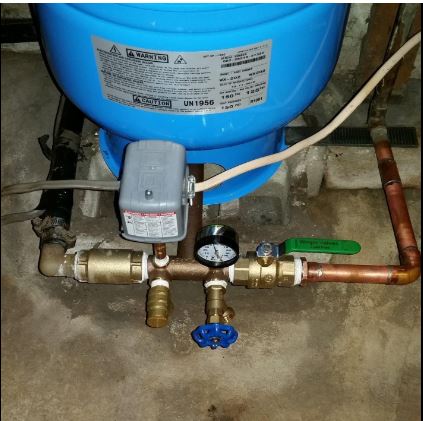
Credit: advancepumpandfilter.com
Well Pressure Switch Basics
The well pressure switch is a small but crucial part of your water system. It controls the pressure in the water tank. This helps keep water flowing smoothly to your home. Knowing the basics of this device helps you maintain it better.
Understanding its role and types can save you time and money. It also helps you spot problems early before they get worse.
Role In Water Systems
The pressure switch turns the water pump on and off. It does this by sensing the water pressure in the tank. When pressure drops too low, the switch starts the pump. When pressure reaches the set limit, it stops the pump. This keeps water pressure steady and prevents damage to the pump.
Common Types
There are mainly two types of pressure switches used in wells. The mechanical type uses a spring and diaphragm to sense pressure. It is simple and reliable for many homes. The electronic type uses sensors and digital controls. This type is more precise and offers extra features. Both types help maintain proper water pressure but differ in cost and complexity.
Factors Affecting Lifespan
The lifespan of a well pressure switch depends on several key factors. These factors influence how long the switch will work properly. Understanding them helps in keeping the switch in good condition. Each factor plays a unique role in the switch’s durability and performance.
Water Quality Impact
Water quality affects the pressure switch’s parts. Hard water can cause mineral build-up. This build-up may block the switch’s components. Dirty or sandy water can wear out seals quickly. Clean water helps the switch last longer.
Electrical Load
The electrical load is the amount of power the switch handles. High load causes more strain on the switch. Overloading can lead to early failure. Properly sized switches handle their load better. This helps extend their life.
Installation Quality
How the switch is installed matters a lot. Poor installation can cause leaks or pressure issues. Wrong placement might expose the switch to damage. A well-installed switch works smoothly and lasts longer. Use a professional for best results.
Maintenance Practices
Regular maintenance keeps the switch in good shape. Cleaning and checking the switch prevents problems. Replacing worn parts stops bigger damage. Neglecting maintenance shortens the switch’s life. Simple care steps can add years to its use.
Typical Lifespan Expectancy
The typical lifespan expectancy of a well pressure switch depends on many factors. This device controls water pressure in your system. It turns the pump on and off as needed. Knowing how long it lasts helps avoid sudden failures.
Pressure switches usually wear out over time. Dirt, moisture, and frequent use affect their durability. Regular checks can extend their life. Let’s explore what to expect from your well pressure switch.
Average Duration
Most well pressure switches last between 3 to 7 years. Some can work longer with good care. Harsh conditions can shorten this time. Proper installation and maintenance improve lifespan. Expect a switch to need replacement after about 5 years.
Signs Of Wear
Watch for these signs of wear on your pressure switch:
- Pump cycling too often or too rarely
- Water pressure drops or fluctuates
- Switch does not click when pump starts
- Visible rust or corrosion on the switch
- Leaks around the switch area
Early detection helps prevent bigger problems.
When To Replace
Replace the pressure switch if it shows constant failure. Frequent pump cycling means the switch struggles. Rust or corrosion weakens the switch parts. If water pressure is unstable, the switch may be faulty. Replacing on time avoids pump damage and water issues.
Maintenance Tips
Maintaining a well pressure switch is important to keep it working well for a long time. Regular care helps spot small problems before they grow. Simple steps can make your switch last longer and perform better.
Routine Inspections
Check the pressure switch every few months. Look for signs of wear or damage. Make sure wires are tight and not corroded. Watch for leaks around the switch area. Early checks prevent bigger issues later.
Cleaning Procedures
Turn off the power before cleaning. Use a dry cloth to remove dust and dirt. Avoid water or wet cloths to stop damage. Clean contacts gently to keep good electrical flow. Clean parts help the switch work smoothly.
Adjusting Settings
Settings control when the pump turns on and off. Check the pressure settings with a gauge. Adjust the switch if pressure is too high or low. Small changes improve water flow and save energy. Proper settings reduce wear on the switch.
Troubleshooting Common Issues
Troubleshooting common issues with a well pressure switch helps keep your water system reliable. Problems often show in simple ways but can stop the pump from working well. Knowing the signs can save time and money on repairs.
Check your switch regularly. Fix small problems before they get worse. This guide explains common problems and how to spot them quickly.
Pressure Fluctuations
Pressure going up and down often means the switch is not working right. It may be dirty or worn out. Check for dirt or debris blocking the switch. Tighten any loose wires or connections. Adjust the pressure settings if they are off. Replacing the switch may be needed if problems persist.
Switch Not Activating
The switch should turn the pump on and off at set pressures. If it does not activate, the pump will not run. Test the switch using a multimeter to see if it gets power. Look for broken wires or corroded terminals. A stuck or damaged switch needs replacement.
Water Pump Cycling Problems
Rapid cycling means the pump turns on and off too fast. This can wear out the pump and switch. Check the pressure tank for air leaks or low pressure. The tank’s bladder might be damaged. Make sure the pressure switch settings match the tank’s needs. Fixing these keeps the pump running smoothly.

Credit: appleplumbing.com
Upgrading And Replacement Options
Upgrading or replacing a well pressure switch can improve your water system’s reliability. Choosing the right option depends on your needs and budget. Knowing what to expect helps you make the best choice.
Choosing A New Switch
Select a switch that matches your pump’s pressure range. Check the voltage and amperage to ensure compatibility. Look for durable materials that resist corrosion. A switch with adjustable settings offers more control. Brands with good reviews often provide better reliability.
Professional Vs Diy Installation
Professional installation ensures the switch works safely and correctly. Experts can spot hidden problems and fix them fast. DIY installation saves money but requires basic electrical knowledge. Incorrect installation can cause damage or unsafe conditions. Always turn off power before starting any work.

Credit: teamaustin.com
Frequently Asked Questions
How Long Does A Well Pressure Switch Usually Last?
A well pressure switch typically lasts 3 to 5 years with normal use and good maintenance.
What Factors Affect A Well Pressure Switch’s Lifespan?
Wear, water quality, electrical issues, and frequent pump cycling can shorten its life.
How To Know If A Well Pressure Switch Needs Replacing?
Look for irregular pump cycles, no water pressure, or the pump not turning on.
Can I Extend The Life Of My Well Pressure Switch?
Regular cleaning, checking connections, and avoiding water leaks help the switch last longer.
Is It Safe To Replace A Well Pressure Switch Myself?
Only if you have basic electrical knowledge; otherwise, hiring a professional is safer.
Conclusion
A well pressure switch usually lasts about 5 to 10 years. Regular checks help spot problems early. Signs like frequent cycling or water pressure changes show it may fail. Replacing it on time avoids bigger issues and costly repairs. Taking care of your switch keeps your water system working well.
Small steps go a long way in protecting your home’s water supply. Stay aware, and your well will serve you longer.