
Are you wondering how long a sand point well can serve your water needs? Knowing the lifespan of your well is key to planning for maintenance, repairs, or replacement.
You want to avoid unexpected downtime or costly surprises. You’ll discover what affects the durability of a sand point well and how to make it last as long as possible. Keep reading to protect your water supply and get the most out of your investment.

Credit: www.researchgate.net
Sand Point Well Lifespan
Understanding the lifespan of a sand point well helps in planning water needs. These wells are simple and cost-effective. Knowing how long they last avoids unexpected repairs or replacements. Lifespan depends on many factors, including location and maintenance. Proper care can extend the well’s useful life.
Typical Duration
Sand point wells usually last between 10 and 20 years. Some may last longer with good care. Others may wear out faster if conditions are tough. The well’s depth and soil type affect how long it works well. Most homeowners can expect around 15 years of reliable use.
Factors Affecting Longevity
Soil type is very important. Sandy or loose soil helps water flow but may wear the well faster. Hard or rocky soil can cause damage to the point. Regular cleaning keeps the well free from blockages. Water quality also impacts the lifespan. Hard water can cause buildup inside the pipes. Using the right pump size reduces stress on the system.
Signs Of Wear And Aging
Lower water flow signals possible wear. Rust or corrosion on metal parts means aging. Strange noises from the pump can show problems. Water that looks cloudy or has a bad smell is a warning. Regular checks can catch these signs early. Fixing small issues prevents major damage later.
Common Issues With Sand Point Wells
Sand point wells are a popular choice for many homeowners. They are affordable and easy to install. Still, these wells face certain problems that can shorten their lifespan. Understanding these issues helps keep the well working longer and protects water quality.
Clogging And Sediment Build-up
One common problem is clogging. Sand and small particles can block the well screen. Sediment builds up around the point and inside the pipe. This reduces water flow and lowers well performance. Regular cleaning or flushing helps reduce sediment build-up.
Corrosion And Material Degradation
The pipes and screen in sand point wells can corrode. Rust and wear weaken metal parts over time. Corrosion causes leaks and breaks in the system. Using corrosion-resistant materials extends the life of the well. Checking the well parts regularly can catch damage early.
Water Quality Concerns
Water quality may decline due to contamination or natural changes. Sand point wells draw water from shallow sources. These sources are more vulnerable to pollutants. Bacteria, chemicals, or sediments can affect water safety. Testing the water often ensures it remains clean and safe to use.
Maintenance Practices
Proper maintenance practices extend the life of a sand point well. They keep the well clean and working efficiently. Regular care prevents common problems and costly repairs. This section covers key maintenance steps for a long-lasting well.
Regular Inspection Tips
Check the well every few months. Look for cracks or leaks in the casing. Listen for unusual sounds from the pump. Watch for changes in water flow or quality. Early detection helps fix small issues fast.
Cleaning Procedures
Clean the well screen to remove dirt and debris. Use a mild brush or water jet for cleaning. Avoid harsh chemicals that can damage the well. Flush the system with clean water after cleaning. Keep the water clear and safe to use.
Preventive Measures
Keep the area around the well free from chemicals and waste. Avoid heavy machinery near the well to prevent damage. Install a protective cap to stop dirt entry. Monitor water quality regularly to catch contamination early. These steps help keep the well healthy longer.
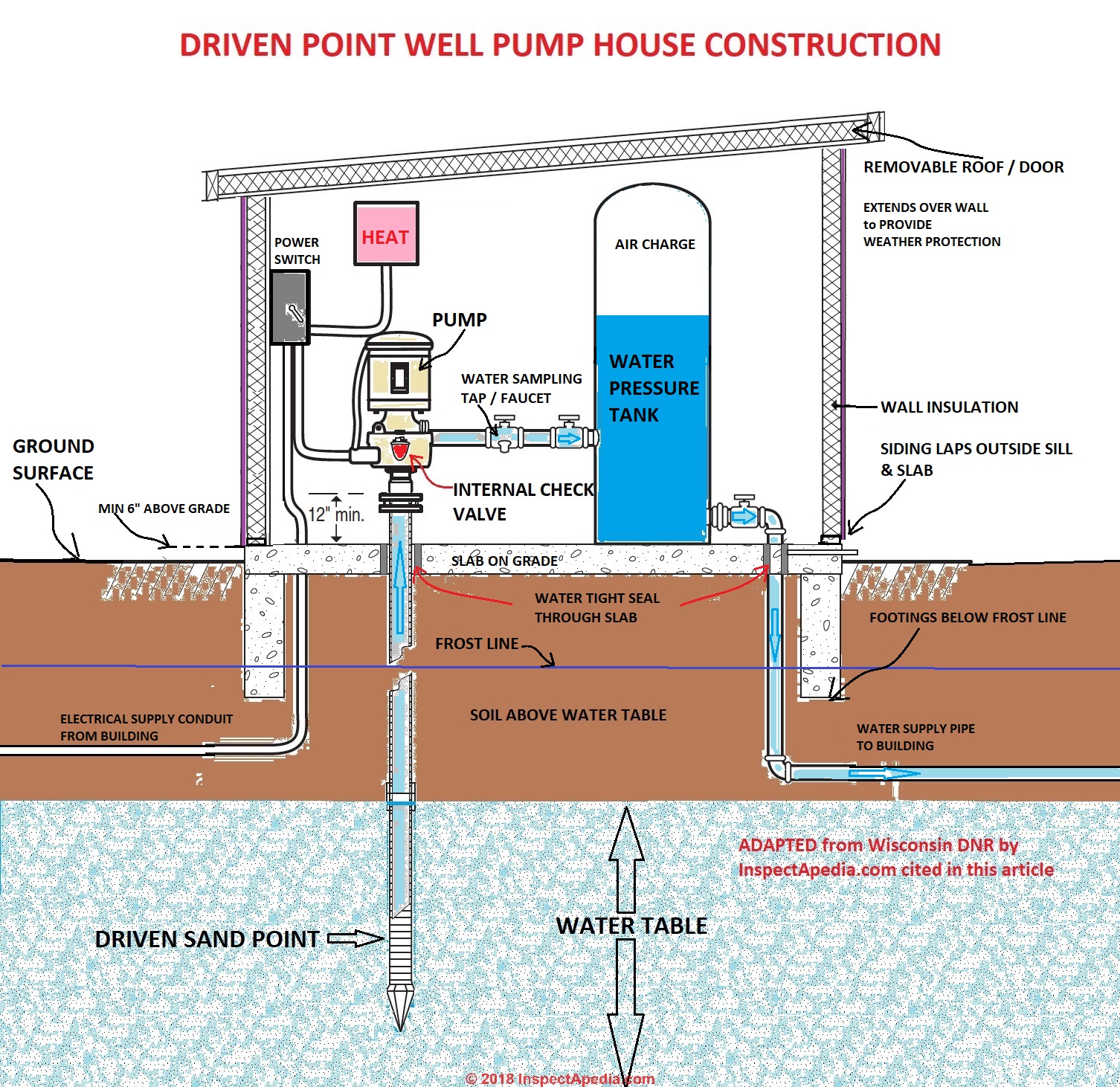
Credit: inspectapedia.com
When To Repair Or Replace
Knowing when to repair or replace a sand point well can save time and money. Regular checks help spot problems early. Repairing is cheaper but not always the best choice. Replacement might be necessary if the well no longer works well. Understanding costs and signs helps make the right decision.
Evaluating Repair Costs
Repairing a sand point well often costs less than replacement. Common repairs include fixing the pump, cleaning the well, or replacing pipes. Costs vary based on damage and parts needed. Sometimes, frequent repairs add up to more than a new well. Calculate repair expenses over time before deciding.
Signs Replacement Is Necessary
Low water flow or poor water quality signal problems. Rust or corrosion on pipes means damage inside the well. Constant breakdowns show the system is failing. If repairs don’t improve the well’s performance, replacement is best. Age also matters; older wells wear out and lose efficiency.
Choosing A Replacement Well
Pick a well type based on water needs and soil type. Sand point wells suit shallow, sandy areas but have limits. Drilled wells last longer and provide more water. Consider costs, lifespan, and local conditions before choosing. Professional advice ensures the right well for your property.
Extending Well Life
Extending the life of a sand point well helps save money and ensures reliable water supply. Taking simple steps can keep your well working longer. Regular care and smart use protect the well from damage. Understanding the environment around the well also plays a key role. Hiring experts for maintenance adds another layer of protection. These actions together help your well stay strong for years.
Proper Usage Guidelines
Do not pump water too fast from the well. Fast pumping causes sand to enter the water. Avoid running the well dry. Keep the pump running only as needed. Use water wisely to reduce stress on the well. Check water levels regularly to avoid problems. Proper use prevents early wear and tear.
Environmental Considerations
Keep the area around the well clean and free of chemicals. Avoid using pesticides near the well. Soil erosion can expose the well pipe. Plant grass or shrubs to hold soil in place. Watch for signs of flooding or standing water. Protecting the environment helps keep water clean and safe. Nature plays a big role in well health.
Professional Maintenance Services
Hire a well professional to inspect the well yearly. Professionals can spot small problems early. They clean the well to remove sand and debris. Testing water quality ensures it is safe to drink. Repair damaged parts quickly to avoid bigger issues. Expert care extends well life and keeps water pure.

Credit: www.youtube.com
Frequently Asked Questions
How Long Does A Sand Point Well Usually Last?
A sand point well can last 10 to 20 years with proper care and maintenance.
What Factors Affect The Lifespan Of A Sand Point Well?
Soil type, water quality, and regular cleaning impact how long a sand point well lasts.
How Can I Extend My Sand Point Well’s Life?
Keep the well clean, check for damage, and avoid pumping too fast or too often.
When Should I Replace My Sand Point Well?
Replace it when water flow drops significantly or when the well is damaged.
Does Water Quality Change As A Sand Point Well Ages?
Yes, sediment and minerals can increase over time, affecting water clarity and taste.
Conclusion
A sand point well can last many years with proper care. Regular cleaning helps keep water flowing well. Avoid letting dirt or debris clog the point. Check your well often for any damage or leaks. Simple maintenance can extend its life significantly.
Remember, a well cared for brings clean water longer. Taking small steps now saves trouble later. Keep your sand point well healthy and reliable.