
Is your Whirlpool dishwasher not washing your dishes properly? You rely on this appliance every day, and when it stops doing its job, it can be frustrating and stressful.
Dirty dishes piling up can disrupt your routine and waste your time. But don’t worry—you’re not alone, and there are simple ways to fix this problem. You’ll discover easy steps to get your Whirlpool dishwasher back to cleaning like new.
Keep reading, and say goodbye to those stubborn spots and leftover grime.
Credit: www.reddit.com
Common Causes Of Poor Cleaning
Poor cleaning in a Whirlpool dishwasher can be frustrating. Many issues cause dishes to come out dirty or spotted. Identifying these problems helps fix the cleaning performance quickly. Below are common reasons why your dishwasher might not clean well.
Clogged Spray Arms
Spray arms push water to clean dishes. Over time, tiny holes can get blocked by food or hard water. This stops water from reaching all dishes. Remove and clean spray arms regularly for better water flow.
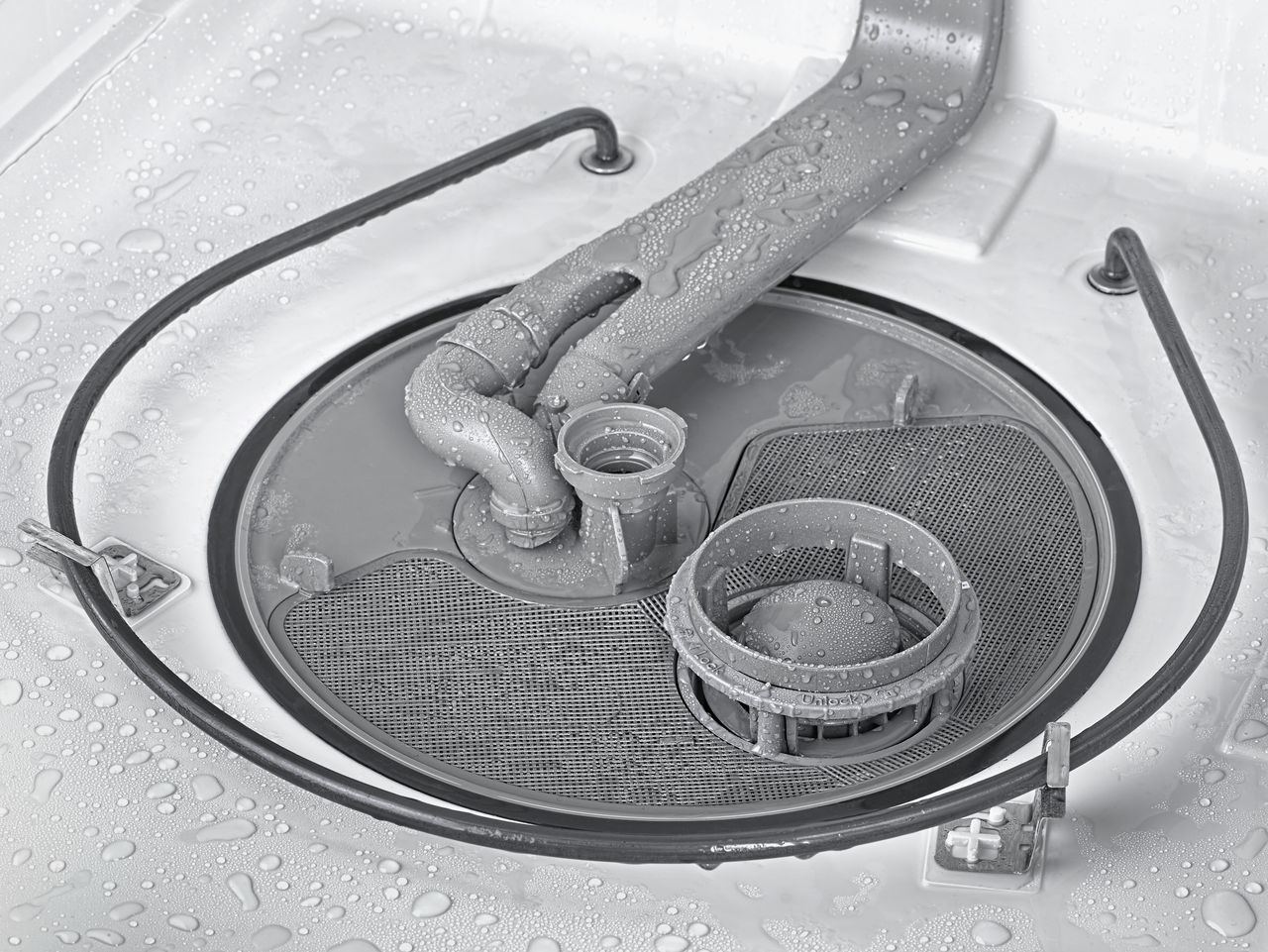
Dirty Filters
Filters catch food particles during washing. If they get full or dirty, water circulation slows down. This reduces cleaning power. Clean filters every few weeks to keep the dishwasher working well.
Low Water Temperature
Hot water cleans dishes better than cold. If your water heater is set too low, detergent may not dissolve properly. Check that your water heats to at least 120°F for best results.
Detergent Issues
Using the wrong detergent or too little can cause poor cleaning. Old detergent may lose effectiveness. Always use dishwasher detergent made for your machine and follow package instructions.
Blocked Drainage
Blocked drainage stops dirty water from leaving the dishwasher. This leaves food residue on dishes. Check the drain and hose for clogs and clean them to ensure proper drainage.
Simple Steps To Fix Your Dishwasher
Fixing a Whirlpool dishwasher that is not washing properly can be simple. Many common problems have easy solutions. This guide shows clear steps anyone can follow. No special tools needed. Just a little time and care can get your dishwasher working well again.
Cleaning Spray Arms
Spray arms can get clogged with food or mineral buildup. Remove the spray arms carefully. Check all holes for blockages. Use a toothpick or small brush to clear debris. Rinse the arms under running water. Place them back securely before running the dishwasher again.
Clearing Filters
Dirty filters reduce washing power. Locate the filter at the bottom of the dishwasher. Remove it gently and rinse under warm water. Use a soft brush to clean stubborn dirt. Make sure the filter is free of food particles. Replace it properly to avoid leaks or poor washing.
Checking Water Temperature
Water that is too cold affects cleaning. The ideal temperature is around 120°F (49°C). Check your water heater setting. Run hot water in the sink before starting the dishwasher. Hot water helps dissolve detergent and remove grease more effectively.
Using The Right Detergent
Using unsuitable detergent can cause poor cleaning. Use detergent made specifically for dishwashers. Avoid using regular dish soap. Measure detergent according to the dishwasher’s instructions. Too much or too little detergent can leave dishes dirty or spotty.
Unclogging Drainage
Clogged drains cause water to stay inside the dishwasher. Check the drain area for food particles or debris. Remove any blockages carefully. Ensure the drain hose is not kinked or bent. Proper drainage helps the dishwasher rinse dishes clean and dry.
When To Inspect Dishwasher Components
Knowing when to inspect your Whirlpool dishwasher components can save time and prevent damage. Early checks help find small problems before they grow. Not washing dishes well is a sign to start checking parts. Focus on key areas that affect cleaning and performance. These parts often cause issues if they fail or wear out.
Examining The Door Seal
The door seal keeps water inside during a cycle. Check for cracks, tears, or dirt on the seal. A bad seal causes leaks and poor washing. Clean the seal gently with a damp cloth. Replace it if you see damage. A tight seal ensures the dishwasher fills and drains properly.
Testing The Water Inlet Valve
The water inlet valve controls water flow into the dishwasher. If the valve is blocked or broken, the dishwasher gets no water. Listen for water filling sounds during a cycle. No sound or slow fill means a valve problem. Test the valve with a multimeter for electrical issues. Replace the valve if it does not open.
Checking The Drain Pump
The drain pump removes dirty water after washing. A clogged or broken pump stops draining and causes poor cleaning. Look for debris blocking the pump area. Run a cycle and hear if the pump works. No sound or unusual noise means a pump problem. Clean or replace the pump as needed.
Inspecting The Heating Element
The heating element warms water to clean dishes well. Cold water leads to poor washing results. Check the element for visible damage or corrosion. Use a multimeter to test its electrical resistance. A faulty element needs replacement. Proper heating improves cleaning and drying performance.
Credit: paradiseapplianceservice.com
Maintenance Tips For Better Performance
Keeping your Whirlpool dishwasher working well takes some care. Simple maintenance steps help it clean dishes better. These tips also stop problems before they start. Follow these easy ideas to keep your dishwasher in top shape.
Regular Cleaning Routine
Clean the filter often to stop food build-up. Wipe the door seals and edges to remove dirt. Run a dishwasher cleaner or vinegar cycle monthly. This clears grease and hard water spots inside. A clean machine washes dishes more fully.
Loading Dishes Correctly
Place plates and bowls facing the center spray arms. Avoid blocking the spray jets with large items. Put cups and glasses upside down to drain water. Space items apart so water reaches all surfaces. Good loading helps water and detergent work well.
Choosing Suitable Wash Cycles
Select the cycle based on how dirty your dishes are. Use heavy wash for pots with stuck-on food. Choose quick wash for lightly used plates and cups. Proper cycles save energy and clean better. Follow the manual to pick the right option.
Avoiding Overloading
Do not fill the dishwasher beyond its capacity. Overloading stops water from reaching all dishes. It causes spots and leaves food behind. Leave space between items for water flow. Less load means cleaner dishes every time.
When To Call A Professional
Knowing when to call a professional for your Whirlpool dishwasher saves time and stress. Some problems need expert help to fix. Trying to repair complex issues alone may cause more damage.
Calling a technician ensures the dishwasher works safely and correctly again. Professionals have the tools and skills to diagnose and solve tough problems fast.
Persistent Cleaning Issues
Dishwasher not cleaning dishes well after many attempts? Persistent cleaning problems mean something deeper is wrong. It could be a blocked spray arm or a malfunctioning detergent dispenser.
Professionals can check hidden parts and clean or replace them. Avoid wasting water and detergent on repeated cycles that do not clean.
Electrical Or Mechanical Problems
Strange noises, failure to start, or sudden stops signal electrical or mechanical troubles. These issues may involve wiring, motor, or control board problems.
Only trained technicians should handle electrical repairs. They prevent safety risks and make sure your dishwasher runs without hazards.
Warranty Considerations
Your dishwasher may still be under warranty. Attempting self-repairs could void the warranty and cause extra costs.
Contacting an authorized service provider keeps the warranty valid. This way, repairs might be free or cheaper.

Credit: www.youtube.com
Frequently Asked Questions
Why Is My Whirlpool Dishwasher Not Cleaning Dishes Properly?
Clogged spray arms or dirty filters often block water flow, causing poor cleaning results.
How Can I Fix A Whirlpool Dishwasher That Won’t Wash?
Check and clean spray arms, filters, and ensure proper detergent use for better washing.
What Causes A Whirlpool Dishwasher To Leave Food On Dishes?
Food particles stuck in filters or spray arms prevent effective washing and rinsing.
Can A Faulty Water Inlet Valve Stop My Dishwasher From Washing?
Yes, a broken valve can block water entry, stopping the dishwasher from cleaning.
How Do I Know If The Dishwasher Pump Is Working Correctly?
Listen for water spraying sounds; no noise may mean a pump or motor issue.
Conclusion
A Whirlpool dishwasher not washing can cause real frustration. Simple checks often solve the problem fast. Clean filters and spray arms to help water flow. Make sure the detergent is fresh and used properly. Check the water temperature; warm water cleans better.
If issues continue, calling a professional is wise. Regular care keeps your dishwasher working well. Small fixes save time and money. Keep your dishes clean without stress.