
Are you thinking about using a saddle valve on your PEX plumbing system? Before you take that step, it’s important to understand how these valves work with PEX pipes and whether they are the right choice for your home.
Making the wrong decision could lead to leaks, damage, or costly repairs down the line. You’ll discover the facts you need to know to protect your plumbing and keep everything running smoothly. Keep reading to find out if a saddle valve is the best option for your PEX setup—and what alternatives might serve you better.
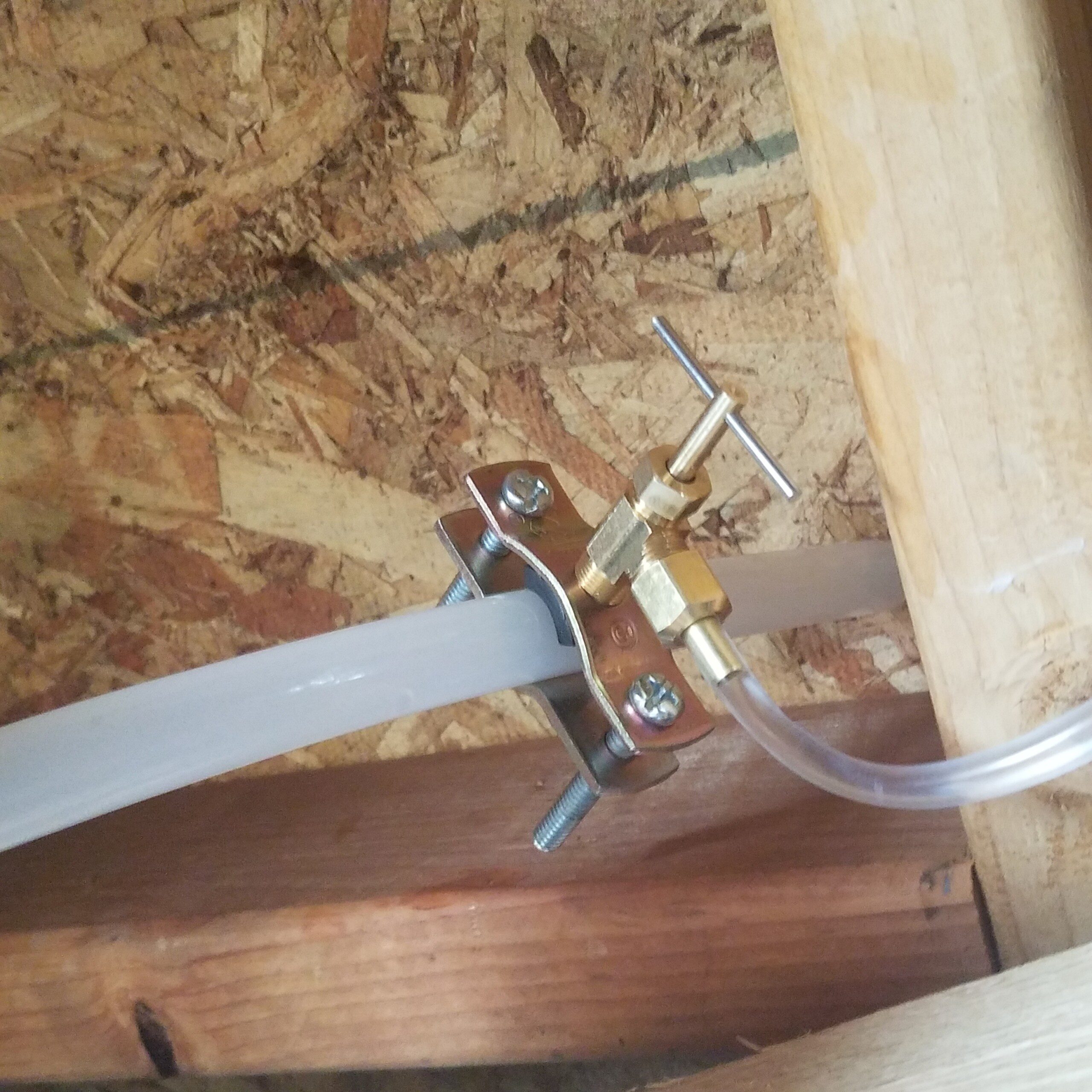
Credit: nonprofithomeinspections.org
What Is A Saddle Valve
A saddle valve is a small valve that attaches directly to a water pipe. It is used to create a quick water connection without cutting the pipe. This valve “saddles” over the pipe, hence the name. It is common in home plumbing for appliances like ice makers or humidifiers.
Saddle valves are simple and inexpensive. They allow water flow control by turning a small handle. The valve pierces the pipe to tap water, making installation fast. This avoids major plumbing work or pipe replacement.
How Does A Saddle Valve Work?
The saddle valve clamps onto a pipe tightly. It has a sharp needle that pierces the pipe when opened. This needle creates a hole for water to flow through. Turning the handle closes or opens this needle valve. It controls water flow to the attached appliance or line.
Where Are Saddle Valves Used?
They are often used in copper pipes. Common for connecting ice makers, humidifiers, or water filters. Ideal for low-pressure water lines. Not recommended for high-pressure or large water systems. These valves provide a quick water source without pipe cutting.
Pros And Cons Of Saddle Valves
Pros include easy installation and low cost. No need to cut or replace pipes. Cons include potential leaks and less durability. Some building codes do not allow saddle valves. They may not work well on all pipe materials.
How Saddle Valves Work
Saddle valves clamp onto a pipe and pierce it to create a water supply. Using them on PEX tubing is not recommended because they can cause leaks or damage. Instead, use fittings designed specifically for PEX pipes.
Understanding The Saddle Valve Design
A saddle valve is a small valve that clamps onto a water pipe. It creates a new water outlet without cutting the pipe. The valve has a sharp needle that pierces the pipe when turned. This needle opens a small hole for water flow.
How Saddle Valves Control Water Flow
Turning the handle moves the needle inside the valve. When the needle moves down, it blocks water flow. Turning the handle the other way lifts the needle, allowing water to pass. This simple mechanism controls water easily.
The Installation Process Of Saddle Valves
First, the valve is positioned on the pipe. The clamp tightens to hold the valve firmly. Next, turning the handle pierces the pipe with the needle. This creates a small hole without cutting the pipe fully. The valve connects to a tube or appliance.
Characteristics Of Pex Tubing
PEX tubing is a popular choice for plumbing projects. It is flexible, durable, and easy to install. These features make it different from traditional metal pipes. Understanding PEX tubing helps to decide if a saddle valve suits it.
PEX pipes can bend around corners without needing extra fittings. This reduces leaks and saves time. The material resists corrosion and scale build-up, which extends its life.
Flexibility And Bend Radius
PEX tubing bends easily without breaking. It can turn corners smoothly, unlike rigid pipes. This flexibility reduces the need for many joints. Fewer joints mean fewer places for leaks.
Resistance To Corrosion And Scale
PEX does not rust or corrode like metal pipes. It also resists scale buildup inside the pipe. This keeps water flowing freely for a long time. Corrosion resistance lowers maintenance costs.
Temperature And Pressure Tolerance
PEX tubing handles hot and cold water well. It can withstand high pressure without bursting. This makes it safe for most household plumbing systems. It stays strong over a wide temperature range.
Compatibility With Plumbing Fittings
PEX uses special fittings for secure connections. These fittings differ from those used with copper or PVC. Saddle valves are not always compatible with PEX. Using the right fittings ensures no leaks or damage.
Compatibility Issues Between Saddle Valves And Pex
Saddle valves often raise questions about their use with PEX piping. These valves were made for copper pipes. PEX tubing is different in material and shape. This difference causes problems for saddle valves.
Using saddle valves on PEX can lead to leaks and damage. PEX is flexible and expands with water pressure. Saddle valves clamp tightly, which can pinch or crack PEX tubing. This pressure can cause failure over time.
Plumbers usually do not recommend saddle valves on PEX. The valve’s sharp piercing needle may not seal well on PEX. Water can escape through small gaps. This increases the risk of water damage in your home.
Material Differences Between Saddle Valves And Pex
Saddle valves are made for rigid copper pipes. Copper does not bend or stretch. PEX is plastic and very flexible. This flexibility means saddle valves cannot grip PEX properly.
The valve’s piercing mechanism can damage PEX tubing walls. PEX tubing may crack or split under pressure. Copper pipes resist this damage better. This material mismatch causes compatibility issues.
Seal And Pressure Challenges
Saddle valves rely on a tight seal around pipes. Copper’s hard surface allows a strong seal. PEX’s soft surface does not seal well. The valve may leak or slip off over time.
PEX expands and contracts with temperature changes. This movement can loosen the valve’s grip. Leaks can develop where the valve attaches. Pressure changes increase the risk of failure.
Alternative Valve Options For Pex
Special valves made for PEX ensure better performance. Compression fittings and PEX-specific valves create secure seals. These valves avoid piercing the tubing. They reduce leaks and damage risks.
Choosing the right valve type keeps your plumbing safe. It also extends the life of your PEX pipes. Avoid saddle valves to protect your home’s water system.
Risks Of Using Saddle Valves On Pex
Saddle valves are popular for quick water connections. PEX pipes have grown in use for plumbing. Using saddle valves on PEX pipes involves risks. These risks can cause leaks and damage. Understanding these dangers helps keep your plumbing safe.
Leakage Problems
Saddle valves pierce the pipe to add a water line. This piercing can weaken the PEX pipe. Over time, small leaks may develop at the valve site. Leaks waste water and can damage walls or floors.
Damage To Pex Material
PEX is flexible but sensitive to sharp objects. The saddle valve’s piercing needle can crack or cut the pipe. Damaged PEX pipes lose strength and may burst. Repairing or replacing pipes increases costs.
Reduced Water Flow
Saddle valves create a small hole in the pipe wall. This hole may reduce water flow to fixtures. Low water pressure can affect appliance and faucet performance. Consistent flow is vital for daily plumbing needs.
Not Code Compliant
Many plumbing codes do not allow saddle valves on PEX. Using them may violate local laws and regulations. Code violations can cause inspection failures. Fixing these issues might require costly repairs.
Alternative Valve Options For Pex Systems
Alternative valve options for PEX systems provide better control and reliability. Saddle valves can cause leaks and damage PEX tubing. Choosing the right valve ensures a safe and durable plumbing setup.
Several valves work well with PEX pipes. They offer easy installation and strong seals. These valves also prevent common problems seen with saddle valves.
Ball Valves For Pex
Ball valves provide a tight shut-off and last a long time. They use a simple lever to open or close water flow. They fit well with PEX using special fittings. Ball valves reduce the risk of leaks and are easy to operate.
Gate Valves For Pex
Gate valves control water flow smoothly and precisely. They raise or lower a gate inside to stop water. These valves require more space but work well with PEX. They handle high pressure and are very durable.
Compression Valves For Pex
Compression valves connect directly to PEX tubing without soldering. They use a ring to seal the pipe tightly. These valves are simple to install and replace. They prevent damage to PEX and ensure a strong connection.
Push-to-connect Valves
Push-to-connect valves snap onto PEX pipes easily. They do not need special tools or glue. These valves create a secure seal instantly. They are great for quick repairs and new installations.
Installation Tips For Valves On Pex
Installing valves on PEX pipes requires care and the right tools. Proper installation ensures no leaks and a long-lasting connection. This section offers simple tips to help you install valves on PEX effectively. Follow these guidelines to avoid common mistakes and get the best results.
Use The Right Valve Type
Choose valves made for PEX systems. Regular saddle valves often do not work well with PEX. They can damage the pipe or cause leaks. Look for valves labeled as compatible with PEX tubing. These valves fit better and seal tightly.
Prepare The Pex Pipe Properly
Cut the pipe cleanly with a PEX cutter. Avoid rough or angled cuts. Smooth the pipe end with sandpaper or a deburring tool. This step helps the valve fit snugly and prevents leaks. Make sure the pipe is dry before installing the valve.
Secure The Valve Firmly
Attach the valve firmly to the PEX pipe. Use a clamp or crimp ring designed for PEX. Tighten the connection evenly to avoid damage. Do not overtighten, as this may weaken the pipe. Check the valve position to ensure easy access later.
Test For Leaks After Installation
Turn on the water slowly after installing the valve. Watch carefully for any drips or leaks. Tighten connections slightly if needed. Testing early helps catch problems before full water pressure is applied. Keep a towel handy to clean any small leaks.
Code And Safety Considerations
Using a saddle valve on PEX tubing raises important code and safety questions. These valves are simple to install but may not meet plumbing codes in many areas. Safety must be the top priority when working with water lines.
Understanding local plumbing codes helps avoid fines and unsafe setups. Codes ensure that plumbing systems work well and last long without leaks or damage. It is important to know if saddle valves are allowed on PEX pipes in your region.
Understanding Local Plumbing Codes
Local codes often ban saddle valves for PEX tubing. Many codes require full shut-off valves instead. These valves are safer and more reliable over time. Checking your city or state rules prevents code violations and repairs later.
Saddle valves can damage PEX tubing. They pierce the pipe, which may cause leaks. Over time, the valve may fail or drip. This leads to water damage and costly repairs. Professional plumbers often advise against using them.
Recommended Alternatives For Pex Plumbing
Use ball valves or compression fittings instead. These options connect firmly without piercing the pipe. They provide a strong seal and easy shut-off. Installing approved valves improves safety and code compliance.
Common Mistakes To Avoid
Using a saddle valve on PEX pipes can cause problems if not done right. Many make simple errors that lead to leaks or damage. Avoiding these mistakes saves time and money. It also keeps your plumbing safe and reliable.
Choosing The Wrong Valve Type
Saddle valves are not always best for PEX pipes. They were made for copper pipes. Using them on PEX can cause cracks or leaks. Pick valves designed for PEX to ensure a proper fit and seal.
Improper Installation Pressure
Applying too much pressure when installing can harm the pipe. Tightening the valve too much can crush the PEX. Use gentle, steady pressure. Check the manufacturer’s guide for correct torque.
Skipping Pipe Preparation
Not cleaning or prepping the pipe before installation causes poor sealing. Dirt and debris stop the valve from sealing well. Always clean the pipe surface before placing the saddle valve.
Ignoring Pipe Size Compatibility
Using a saddle valve that does not match the pipe size leads to leaks. PEX pipes come in different diameters. Measure your pipe carefully. Use a valve that fits perfectly to avoid leaks.
Failing To Check For Leaks After Installation
Not testing the connection can hide leaks early on. Turn on the water and watch for drips. Catch leaks fast to prevent water damage and costly repairs.
Credit: terrylove.com
/how-to-install-needle-saddle-valve-4125839-08-77c94b3efaf049a0b1e56d594b1e4360.jpg)
Credit: www.thespruce.com
Frequently Asked Questions
Can A Saddle Valve Damage Pex Tubing?
Saddle valves can cause leaks and damage PEX tubing because they pierce the pipe, weakening it.
Is Using A Saddle Valve On Pex Code Compliant?
Most plumbing codes do not allow saddle valves on PEX due to leak risks and pipe damage.
What Is A Safer Alternative To Saddle Valves For Pex?
Use a compression or push-fit tee valve designed specifically for PEX tubing for safer connections.
How Do Saddle Valves Affect Water Pressure In Pex Systems?
Saddle valves can reduce water flow and pressure due to their small piercing hole.
Can Saddle Valves Cause Leaks In Pex Plumbing?
Yes, saddle valves often cause leaks because they puncture the pipe and create weak spots.
Conclusion
Saddle valves are not the best choice for PEX pipes. They may cause leaks and damage over time. Using proper fittings ensures a safer and stronger connection. Always choose parts made specifically for PEX systems. This helps avoid costly repairs and keeps your plumbing working well.
Remember, simple and correct installation matters most for lasting results.