
If you have a Cocker Spaniel, you know how special your furry friend is. But have you noticed your dog scratching more than usual or developing red, irritated patches on their skin?
Skin problems in Cocker Spaniels can be frustrating for both you and your pet. Understanding these issues is key to keeping your dog happy and healthy. You’ll discover common skin problems your Cocker Spaniel might face, what causes them, and simple steps you can take to protect your beloved companion.
Keep reading to learn how to spot signs early and give your dog the comfort they deserve.

Credit: www.vetdermclinic.com
Common Skin Issues
Cocker Spaniels often face skin problems that affect their comfort and health. Understanding common skin issues helps in early detection and care. These problems can cause itching, redness, and hair loss. Regular checks and prompt action keep your dog happy and healthy.
Allergies And Reactions
Allergies are common in Cocker Spaniels. They can react to foods, pollen, or cleaning products. Allergies cause itching and redness on the skin. Sometimes, dogs scratch or bite the itchy spots. This can lead to sores and infections.
Identifying the allergen is key to managing the problem. A vet may suggest allergy tests or diet changes. Keeping the dog’s environment clean helps reduce reactions.
Hot Spots And Infections
Hot spots are red, moist, and sore areas on the skin. They appear quickly and cause severe itching. Cocker Spaniels with thick fur are prone to hot spots. These spots can grow fast and spread if untreated.
Infections often follow hot spots. Bacteria enter through broken skin, worsening the problem. A vet can treat infections with antibiotics and special shampoos. Regular grooming and drying the skin helps prevent hot spots.
Parasites And Mites
Parasites like fleas and ticks cause skin irritation in Cocker Spaniels. Flea bites lead to intense itching and hair loss. Mites cause mange, which results in crusty and scaly skin.
Parasites spread quickly and cause discomfort. Regular parasite control treatments protect your dog. Early detection and treatment stop skin damage and itching.

Credit: fidoseofreality.com
Causes Of Skin Problems
Cocker Spaniels are prone to various skin problems. These issues can cause discomfort and affect their health. Understanding the causes helps in preventing and managing these skin conditions effectively. Several factors contribute to skin problems in Cocker Spaniels. These range from what they eat to their environment and genetics.
Diet And Nutrition
Poor diet can lead to skin issues in Cocker Spaniels. Lack of essential nutrients weakens their skin barrier. Allergies to certain foods may cause itching and redness. A balanced diet with vitamins and minerals supports healthy skin. Omega-3 fatty acids are especially beneficial for skin health.
Environmental Factors
Environmental triggers often cause skin problems in Cocker Spaniels. Dust, pollen, and mold can irritate their skin. Fleas and ticks lead to allergic reactions and infections. Frequent exposure to moisture can create fungal growth. Regular cleaning and parasite control reduce these risks significantly.
Genetic Predispositions
Cocker Spaniels inherit some skin conditions from their parents. Certain breeds are more prone to allergies and infections. Seborrhea and sebaceous adenitis are common genetic skin disorders. Early detection helps in managing these inherited problems. Responsible breeding reduces the chance of passing these traits.
Signs To Watch For
Watching for signs of skin problems in Cocker Spaniels helps catch issues early. Early detection can prevent severe discomfort and infections. Knowing the common signs helps you act quickly.
Redness And Inflammation
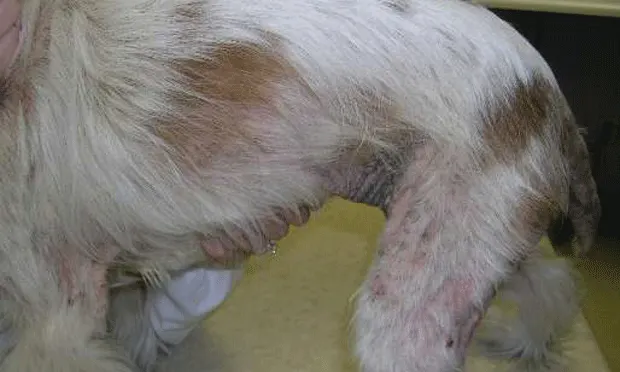
Redness is a clear sign of skin irritation. The skin may look swollen or feel warm to touch. Inflamed areas often indicate an allergic reaction or infection. Check your dog’s ears, paws, and belly closely.
Excessive Scratching
Scratching more than usual shows your dog is uncomfortable. It may cause sores or bleeding if it continues. Look for signs of biting or licking the skin too. This behavior often points to fleas or allergies.
Hair Loss Patterns
Hair loss in patches is not normal. It can show up as bald spots or thinning fur. These patterns often signal fungal infections or mites. Monitor any sudden changes in your dog’s coat closely.
Preventive Care Tips
Preventive care is key to keeping your Cocker Spaniel’s skin healthy. Simple daily actions can stop many skin problems before they start. Regular attention helps your dog feel comfortable and look great. These tips focus on basic habits that protect your dog’s skin and coat.
Regular Grooming Routines
Groom your Cocker Spaniel often to remove dirt and loose hair. Brush their coat gently to avoid skin irritation. Bath your dog with a mild shampoo made for sensitive skin. Check ears, paws, and skin folds for redness or swelling. Grooming keeps the skin clean and helps spot problems early.
Balanced Diet Plans
Feed your dog a nutritious diet rich in vitamins and fatty acids. Good food supports healthy skin and a shiny coat. Avoid foods that cause allergies or upset your dog’s stomach. Fresh water is important to keep skin hydrated. A balanced diet strengthens your dog’s natural defenses.
Flea And Tick Control
Protect your Cocker Spaniel from fleas and ticks with safe treatments. These pests cause itching, redness, and infections. Check your dog’s skin regularly for any signs of bugs. Use vet-recommended flea and tick preventatives. Keeping pests away helps maintain healthy skin and comfort.
Home Remedies For Relief
Skin problems can make your Cocker Spaniel uncomfortable. Many home remedies help ease itching and irritation. These remedies use safe, natural ingredients you can find at home. They soothe your dog’s skin gently and effectively.
Oatmeal Baths
Oatmeal baths calm itchy and dry skin. Grind plain oatmeal into a fine powder. Mix it in warm water and let your dog soak for 10 to 15 minutes. Oatmeal helps reduce redness and soothes irritation. It also cleans the skin without drying it out.
Natural Moisturizers
Natural oils like coconut or olive oil can moisturize dry patches. Apply a small amount to the affected area. These oils keep the skin soft and reduce flaking. They also help heal minor wounds and cracks. Use them gently to avoid making the coat greasy.
Soothing Sprays
Make a simple spray with water and chamomile tea. Let the tea cool completely before spraying. This spray relieves itching and cools inflamed skin. Spray lightly over the problem spots two to three times daily. It keeps your dog calm and comfortable.
When To See A Vet
Knowing when to see a vet is crucial for your Cocker Spaniel’s skin health. Some skin problems need quick care to avoid serious issues. Early vet visits can stop small problems from becoming big ones.
Watch your dog closely. Changes in skin or behavior may signal trouble. Don’t wait too long to act. Timely vet visits help your pet heal faster and feel better.
Persistent Symptoms
Skin problems that last more than a week need a vet’s attention. Constant itching, redness, or bumps can show infections or allergies. If your dog keeps scratching or biting, a vet check is important.
Severe Skin Damage
Open wounds, bleeding, or large sores require immediate vet care. These can lead to infections or pain. Treating severe skin damage early helps avoid complications and speeds recovery.
Behavioral Changes
Changes in your dog’s behavior may signal skin discomfort. If your Cocker Spaniel becomes restless or hides, it could mean pain. Sudden mood shifts or lack of appetite also need a vet’s evaluation.
Maintaining A Healthy Coat
Maintaining a healthy coat is key for your Cocker Spaniel’s overall well-being. A shiny, soft coat shows your dog is healthy and happy. Regular care helps prevent skin problems and keeps your dog comfortable. Proper coat care also reduces shedding and tangles.
Daily Brushing Benefits
Brushing your Cocker Spaniel every day removes dirt and loose hair. It stops mats and tangles from forming. Brushing spreads natural oils across the coat. These oils keep the fur shiny and soft. It also helps you spot skin issues early.
Hydration And Skin Health
Water is essential for healthy skin and fur. A well-hydrated dog has less dry, flaky skin. Make sure your dog drinks clean water daily. Wet skin can cause irritation and infections. Keep your dog’s skin moist with proper care.
Supplements For Shine
Supplements can boost your dog’s coat health. Omega-3 and omega-6 fatty acids improve shine and softness. Vitamins like E and biotin support skin repair. Always check with your vet before starting supplements. They help your dog look and feel great.
Credit: www.cliniciansbrief.com
Frequently Asked Questions
What Are Common Skin Problems In Cocker Spaniels?
Cocker Spaniels often face allergies, hot spots, and seborrhea causing itching and redness.
How Can I Tell If My Cocker Spaniel Has A Skin Infection?
Look for redness, swelling, bad smell, hair loss, or constant scratching on the skin.
What Causes Allergies In Cocker Spaniel Skin?
Allergies often come from food, pollen, dust mites, or flea bites triggering irritation.
How To Prevent Skin Issues In Cocker Spaniels?
Regular grooming, balanced diet, flea control, and vet check-ups help keep skin healthy.
When Should I See A Vet For Cocker Spaniel Skin Problems?
Visit a vet if your dog has severe itching, sores, or if symptoms last over a week.
Conclusion
Cocker Spaniels need gentle care to keep their skin healthy. Watch for signs like redness, itching, or hair loss. Early action can stop problems from getting worse. Regular baths and good food help maintain strong skin. Always check with a vet if you see any changes.
Healthy skin means a happy, comfortable dog. Taking simple steps protects your Cocker Spaniel’s well-being every day. Keep your pet’s skin clean and moisturized for best results. Small efforts make a big difference in their health.