
Is your baseboard heater not working in one room while the rest of your home stays warm? It’s frustrating when one space feels cold and uncomfortable, especially during chilly days.
You might be wondering why this is happening and how to fix it quickly. You’ll discover simple steps to identify the problem and get your heater back to working order. Keep reading to make sure every room in your home stays cozy and warm.

Credit: www.doityourself.com
Common Causes Of Baseboard Heater Issues
Baseboard heaters sometimes stop working in just one room. This can be confusing and frustrating. Understanding common causes helps fix the problem faster. Many issues come from simple problems that anyone can check.
Power Supply Problems
Baseboard heaters need power to work. A tripped breaker or blown fuse can cut power. Loose wiring or bad connections can also stop the heater. Checking the power source is the first step.
Thermostat Malfunctions
The thermostat controls the heater’s temperature. A broken thermostat may not send the right signals. Sometimes, the thermostat settings are wrong or the batteries are dead. Testing or replacing the thermostat often solves the issue.
Damaged Heating Elements
The heating elements create the warmth you feel. Over time, these elements can wear out or break. Broken elements stop the heater from producing heat. Inspecting and replacing damaged parts is necessary for repair.
Blocked Airflow
Air must flow freely around the heater. Furniture, curtains, or dust can block airflow. Poor airflow reduces heating efficiency and causes uneven warmth. Clearing the area and cleaning the heater improves performance.
Safety Checks Before Repairs
Before starting any repairs on a baseboard heater that is not working in one room, safety checks are crucial. These checks protect you from electrical hazards and prevent further damage. Always take the time to prepare properly. Safety is the top priority.
Turning Off Power
Always turn off the power to the heater before you begin work. Locate the circuit breaker that controls the heater and switch it off. This step prevents electrical shocks. Double-check by trying to turn on the heater. If it does not respond, the power is off.
Inspecting For Visible Damage
Look closely at the heater and wiring for any visible damage. Check for burnt marks, loose wires, or broken parts. Do not touch damaged wires. Take note of what you see to explain to a professional if needed. Visible damage often points to the root problem.
Using Protective Gear
Wear protective gear before handling the heater. Use insulated gloves to protect your hands from electric shocks. Safety glasses shield your eyes from dust or debris. Proper gear lowers the risk of injury while working on electrical devices.
Quick Fixes To Restore Heat
Baseboard heaters can stop working in one room for several simple reasons. Quick fixes often solve the problem fast. These easy steps can help you get warmth back in no time. Follow these tips to restore heat without calling a pro.
Resetting The Heater
Start by turning off the heater at the power source. Wait for a few minutes. Turn it back on to reset the system. Many heaters have a reset button near the thermostat or on the unit. Press it gently. This can clear minor faults and restart the heater.
Replacing Or Adjusting The Thermostat
Check the thermostat settings. Make sure it is set to a temperature higher than the room’s current temperature. Sometimes the thermostat battery may die. Replace old batteries with new ones. If the thermostat is broken, consider replacing it. A faulty thermostat often stops the heater from working.
Cleaning And Removing Obstructions
Dust and dirt block heat flow. Turn off the heater before cleaning. Use a soft brush or vacuum to clean the baseboard vents. Remove any furniture or objects blocking the heater. Clear space improves air circulation and helps the heater work better.
Checking And Replacing Fuses
Locate the fuse box or circuit breaker panel. A blown fuse or tripped breaker can cut power to the heater. Look for any switches that are off or fuses that look burnt. Replace blown fuses with the same type. Reset any tripped breakers. This often restores power and heat quickly.
When To Call A Professional
Knowing when to call a professional is key if your baseboard heater stops working in one room. Some issues need expert help to avoid damage or danger. Acting quickly can save time and money.
Persistent Heating Problems
Heater not warming the room despite adjustments? Constant problems mean the unit may have hidden faults. A professional can find the exact cause and fix it safely. Avoid guessing or repeated DIY attempts.
Electrical Wiring Concerns
Flickering heat or power issues often point to wiring problems. Faulty wires can cause shorts or fires. Let an electrician check and repair wiring to keep your home safe. Do not touch electrical parts yourself.
Unusual Noises Or Smells
Strange sounds or burning smells from the heater are warning signs. They may indicate overheating or mechanical failure. Turn off the heater immediately and call a technician. Ignoring these signs risks damage or injury.
Preventive Maintenance Tips
Baseboard heaters need care to work well for a long time. Preventive maintenance helps stop problems before they start. Small checks and cleaning keep your heater running smoothly. This saves money and keeps your home warm.
Regular Cleaning Schedule
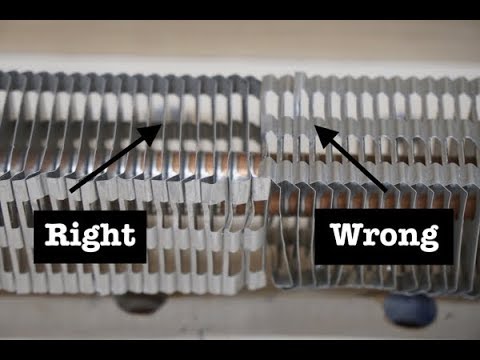
Dust and dirt build up inside baseboard heaters. This blocks heat and lowers performance. Clean the heater every few weeks. Use a soft brush or vacuum to remove dust. Clean vents and fins carefully. This helps heat flow freely and keeps the room warm.
Routine Inspections
Check your heater for signs of damage or wear. Look for broken wires, loose connections, or rust. Test the thermostat to ensure it works well. Inspect the heater before cold seasons start. Catching small problems early avoids bigger repairs later.
Upgrading Old Components
Old parts may cause your heater to fail. Replace worn-out thermostats or heating elements to improve performance. New components use less energy and heat better. Upgrading makes the heater safer and more reliable. It also helps keep your energy bills low.

Credit: diy.stackexchange.com
Credit: www.youtube.com
Frequently Asked Questions
Why Is My Baseboard Heater Not Heating One Room?
A broken thermostat or faulty wiring can stop heat in one room. Check these first.
How Do I Reset A Baseboard Heater In One Room?
Turn off power, wait a few minutes, then switch it back on. This often helps.
Can A Clogged Heater Cause One Room To Stay Cold?
Yes. Dust or debris can block heat flow. Clean the heater to fix this.
Is A Tripped Circuit Breaker Causing One Room’s Heater To Fail?
A tripped breaker can cut power to the heater. Check your breaker panel.
When Should I Call A Professional For Heater Problems In One Room?
Call a technician if simple fixes don’t work or wiring looks damaged. Safety first.
Conclusion
A baseboard heater not working in one room can be frustrating. Check the thermostat and power supply first. Sometimes, cleaning or resetting the heater solves the problem. If these steps don’t help, it might need a repair. Regular maintenance keeps heaters working well.
Staying warm and comfortable is important during cold days. Taking simple actions can save time and money. Don’t ignore the issue—fix it soon to avoid bigger problems. Small efforts bring big comfort. Keep your home cozy and safe all winter long.