
Have you ever glanced at your car’s instrument cluster and noticed something off? Maybe the speedometer stops working, warning lights flicker, or the gauges act strangely.
These problems can be confusing and even dangerous, leaving you unsure about your vehicle’s condition. Understanding why your instrument cluster malfunctions and how to fix it is crucial for your safety and peace of mind. Keep reading to discover the common causes of instrument cluster problems and what you can do to get your dashboard back to normal.
Common Instrument Cluster Issues
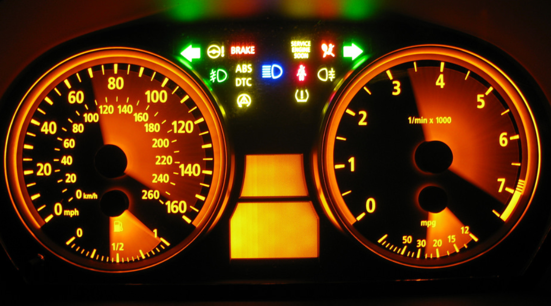
The instrument cluster is the dashboard panel showing your vehicle’s speed, fuel level, engine temperature, and warning lights. Problems with this cluster can affect your driving safety and vehicle maintenance.
Several common issues may occur in the instrument cluster. These problems can cause confusion and distractions while driving. Understanding these issues helps you identify and fix them early.
Flickering Or Dim Displays
Sometimes the display lights flicker or become very dim. This issue can happen due to loose wiring or bad connections. A worn-out bulb or failing circuit board may also cause flickering. Dim displays make it hard to read important information on the dashboard.
Inaccurate Gauges
Gauges may show wrong readings for speed, fuel, or temperature. This problem can occur from sensor failures or electronic glitches. Inaccurate gauges mislead drivers and can cause mistakes like running out of fuel unexpectedly. Proper gauge function is vital for safe driving.
Warning Lights Malfunction
Warning lights may stay on or fail to light up at all. This malfunction can hide real problems or cause unnecessary worry. Faulty warning lights often result from electrical issues or software bugs. Ignoring these signals can put your car at risk.
Complete Cluster Failure
Sometimes, the entire instrument cluster stops working. This failure means no information is available while driving. Causes include blown fuses, damaged circuit boards, or power supply issues. A complete cluster failure requires immediate attention to restore dashboard functions.

Credit: dashboardinstrumentcluster.com
Root Causes Of Malfunctions
Instrument cluster problems can cause confusion and safety risks while driving. Understanding the root causes helps in identifying and fixing these issues quickly. Several factors can lead to malfunctions in the instrument cluster.
These causes range from electrical issues to physical damage. Each can affect the accuracy and function of your vehicle’s dashboard. Let’s explore the main reasons behind these malfunctions.
Electrical Wiring Problems
Electrical wiring issues often cause instrument cluster failures. Wires may become loose, corroded, or broken over time. Faulty connections disrupt the signals sent to the display. This can lead to flickering lights or complete cluster failure. Poor wiring can also cause intermittent problems that are hard to diagnose.
Faulty Sensors
The instrument cluster depends on sensors for accurate data. Faulty sensors send incorrect or no signals to the cluster. Common sensors include speed sensors, fuel level sensors, and temperature sensors. When these sensors fail, the cluster shows wrong readings or warning lights. Sensor failures can result from wear, damage, or contamination.
Software Glitches
Modern instrument clusters rely on software to process information. Software glitches can cause display errors or freezes. Bugs in the system may appear after updates or due to corrupted files. These glitches sometimes reset the cluster or show false warnings. A software reset or update can often fix these issues.
Physical Damage And Wear
Physical damage affects the instrument cluster’s performance. Cracks, moisture, or dirt inside the cluster can cause malfunctions. Over time, wear and tear degrade components like gauges and lights. Exposure to heat or vibration also harms the cluster. Physical damage may require repair or full replacement of the cluster.
Diy Troubleshooting Steps
Instrument cluster problems can confuse any driver. The good news? Many issues you can fix yourself. Simple checks often solve the problem without costly repairs. Follow these easy steps to troubleshoot your instrument cluster.
Checking Fuses And Connections
Start by checking the fuses linked to the instrument cluster. A blown fuse often causes the cluster to stop working. Locate the fuse box and use the car manual to find the right fuse. Inspect the fuse for damage or a broken wire. Replace any blown fuse with one of the same rating.
Next, check the electrical connections behind the cluster. Loose or dirty connectors can cause malfunctions. Carefully unplug and replug each connector. Clean any dirt or corrosion using electrical cleaner. Ensure all connections fit snugly.
Resetting The Cluster
Sometimes, the cluster needs a reset. This can clear minor glitches or errors. To reset, turn off the car and remove the key. Wait a few minutes before turning the car back on. Some cars have a reset button or a sequence using the dashboard buttons. Consult your vehicle’s manual for specific steps.
Resetting can refresh the system and bring the cluster back to normal. It is a quick and easy step before seeking professional help.
Inspecting For Moisture Or Corrosion
Moisture inside the instrument cluster can cause serious issues. Check the cluster lens for fogging or water drops. If found, the cluster may need drying or sealing. Corrosion on connectors or circuit boards also causes failures.
Open the cluster carefully to inspect internal parts. Use a soft cloth to dry any moisture. Apply contact cleaner to corroded areas. Avoid using water or harsh chemicals. Keeping the cluster dry helps maintain its function.

Credit: www.youtube.com
Professional Repair Techniques
Professional repair techniques fix instrument cluster problems accurately. Experts use tested methods to restore full function. Each step targets specific issues for the best results.
Reprogramming The Cluster
Reprogramming updates the cluster’s software. This step clears errors and syncs data with the vehicle. It often resolves display glitches and communication faults. Technicians connect special tools to rewrite the cluster’s code. This method ensures correct readings and smooth operation.
Replacing Components
Some parts inside the cluster wear out or fail. Replacing these parts is a common repair method. Experts remove faulty circuit boards, bulbs, or connectors. They install new components that fit perfectly. This restores the cluster’s hardware to full working order.
Calibrating Gauges
Gauges must show exact information to keep drivers safe. Calibration adjusts the needles and digital displays. Professionals use precise tools to set correct values. This step prevents wrong speed or fuel readings. Proper calibration ensures the cluster reflects real-time data accurately.
Preventive Maintenance Tips
Keeping your instrument cluster in good shape helps avoid sudden failures. Regular care extends its life and ensures accurate readings. Follow simple maintenance steps to protect your dashboard and keep your car safe.
Regular Electrical System Checks
Check the electrical system often to spot issues early. Loose wires or poor connections can cause cluster problems. Use a multimeter to test voltage and continuity. Fix any damaged cables to prevent malfunctions.
Avoiding Moisture Exposure
Moisture can damage the instrument cluster’s electronics. Keep your car’s interior dry and well-ventilated. Repair leaks in windows and doors quickly. Use moisture absorbers inside the car if needed.
Timely Software Updates
Some instrument clusters need software updates to work properly. Check for updates during regular car service visits. Updated software can fix bugs and improve performance. Always install updates recommended by the manufacturer.
When To Replace The Instrument Cluster
Knowing when to replace your instrument cluster can save you from bigger car troubles. The instrument cluster shows important information like speed, fuel level, and engine warnings. If it stops working properly, your driving safety could be at risk. Recognizing the right time to replace it helps keep your car running smoothly.
Signs Replacement Is Needed
Look for flickering or dim lights on the cluster. If gauges jump or stay stuck, the cluster might be failing. Missing or incorrect readings can confuse you while driving. Strange noises or a blank screen also indicate problems. These signs show the instrument cluster needs checking or replacement soon.
Choosing The Right Replacement
Pick a replacement that fits your car model exactly. Using the right cluster ensures all gauges work correctly. Decide between a new or used cluster based on budget and condition. Make sure the replacement is compatible with your car’s electronics. Proper installation keeps your vehicle’s systems connected and safe.
Cost Considerations
Replacement costs vary by car make and cluster type. New clusters cost more but last longer and have warranties. Used clusters are cheaper but may have hidden issues. Labor fees add to the total cost, depending on complexity. Budget wisely to avoid surprises after repair or replacement.
Credit: www.safetyrestore.com
Frequently Asked Questions
What Are Common Causes Of Instrument Cluster Problems?
Faulty wiring, blown fuses, bad sensors, or a failing cluster can cause these issues.
How To Tell If The Instrument Cluster Is Faulty?
Look for flickering lights, incorrect readings, or a blank display on the dashboard.
Can Instrument Cluster Problems Affect Vehicle Safety?
Yes, wrong speed or fuel readings can lead to unsafe driving conditions.
How Much Does It Cost To Fix An Instrument Cluster?
Repair costs usually range from $100 to $500 depending on the issue and vehicle.
Is It Possible To Reset A Malfunctioning Instrument Cluster?
Sometimes, disconnecting the battery or using a scan tool can reset the cluster.
Conclusion
Instrument cluster problems can affect your driving safety and comfort. Watch for warning lights and strange gauge behavior. Fixing issues early can prevent bigger repairs later. Regular checks keep your dashboard working well. Trust a professional to diagnose and repair the cluster.
Stay aware and keep your car’s instruments clear. Your safety depends on accurate information while driving. Don’t ignore signs of trouble with your instrument cluster. Simple care helps avoid costly breakdowns and stress.