
Is your furnace acting up just as the chilly Rhode Island weather sets in? You might be wondering whether it’s better to repair your furnace or replace it altogether.
Making the right choice can save you money, keep your home cozy, and prevent unexpected breakdowns. You’ll discover clear signs to watch for, smart tips to help you decide, and how to avoid costly mistakes. Keep reading to protect your home and stay warm all winter long.
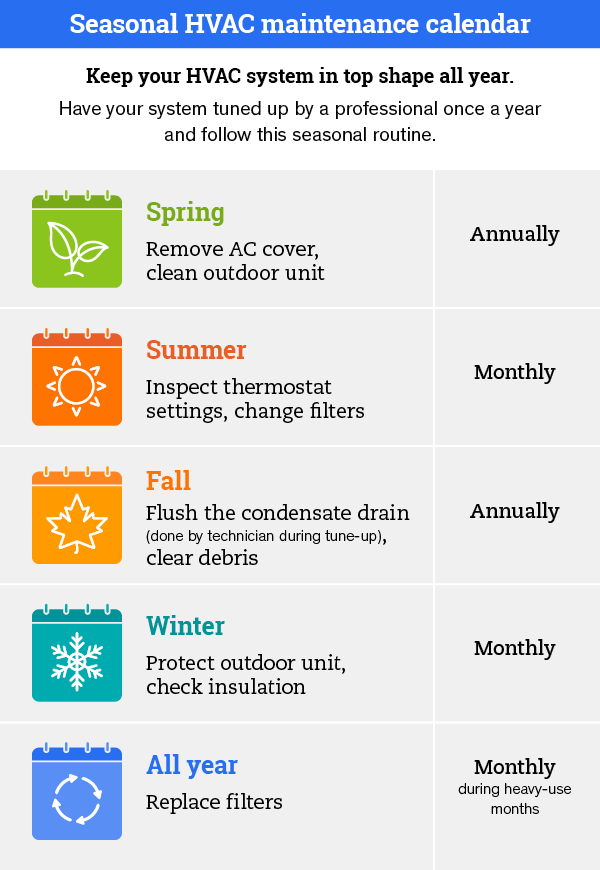
Credit: www.petro.com
Signs Your Furnace Needs Attention
Your furnace keeps your Rhode Island home warm during cold months. It works hard and needs care. Knowing signs of trouble helps avoid big problems. Spotting issues early saves money and stress. Here are key signs your furnace needs attention.
Frequent Breakdowns
Does your furnace stop working often? Constant repairs mean the system struggles. Fixing it each time costs more. Frequent breakdowns signal serious wear. Consider if repair is worth it.
Rising Energy Bills
Heating costs go up without a clear reason. Old or damaged furnaces use more energy. They work harder to heat your home. Higher bills can mean inefficiency. Checking your furnace might lower expenses.
Uneven Heating
Some rooms feel cold while others are warm. Uneven heat shows furnace problems. Airflow issues or failing parts cause this. Your home should feel comfortable everywhere. Uneven warmth needs a furnace check.
Strange Noises
Unusual sounds like banging or rattling are bad signs. Furnaces run quietly when healthy. Noises suggest loose parts or damage. Ignoring sounds can lead to bigger faults. Listen for anything odd.
Age Of The Furnace
Older furnaces often fail more and cost more. Most last 15 to 20 years. Beyond this, repairs increase and efficiency drops. Age is a strong sign to think about replacement. Check your furnace’s age and condition.
Repairing Your Furnace
Repairing your furnace can save money and extend its life. It helps keep your home warm without a full replacement. Knowing when to repair is important for Rhode Island homeowners. Understanding common issues and repair costs guides better decisions.
Finding a skilled technician ensures repairs last long and work well. This section explains key points about furnace repairs.
Common Repair Issues
Furnaces in Rhode Island often face several common problems. Thermostat failures cause uneven heating or no heat. Dirty filters reduce airflow and strain the system. Ignition or pilot control issues stop the furnace from starting. Strange noises usually mean worn parts or loose components. Frequent cycling on and off shows system stress or sensor trouble.
Cost Of Repairs
Repair costs vary by the issue and part replaced. Simple fixes like changing filters cost less than new motors. Minor repairs often range from $100 to $300. Major repairs, such as fixing heat exchangers, can cost over $500. Weigh repair cost against furnace age and condition before deciding.
When Repairs Make Sense
Choose repairs if the furnace is less than 10 years old. Small fixes keep the system running efficiently. Repair when costs are under half the price of a new furnace. Fixing minor problems prevents bigger damage later. Repair is smart if the furnace meets safety and efficiency standards.
Finding A Reliable Technician
Hire experienced professionals for furnace repair in Rhode Island. Check licenses, insurance, and reviews before hiring. Ask for written estimates and guarantees on work. Choose technicians who explain issues clearly and answer questions. Reliable service ensures safe, effective furnace repairs.
Replacing Your Furnace
Replacing your furnace can make a big difference in your home’s comfort. Old furnaces often struggle to heat rooms evenly. A new furnace brings reliable warmth and can lower energy bills. Homeowners in Rhode Island may find replacement the best choice after years of repairs. Understanding the benefits and process helps you decide with confidence.
Benefits Of New Furnaces
New furnaces work better than older models. They heat your home more evenly and keep rooms cozy. A new furnace reduces the chance of breakdowns during cold months. It also improves indoor air quality by filtering dust and allergens. Many new models come with quiet operation, making your home peaceful. A fresh furnace adds value to your property, too.
Energy Efficiency Improvements
Modern furnaces use less energy to heat your home. This lowers your utility bills significantly. High-efficiency models convert more fuel into heat, wasting less energy. Some furnaces have smart thermostats that adjust settings automatically. This feature saves energy when no one is home. Energy-efficient furnaces also produce fewer emissions, helping the environment.
Choosing The Right Furnace
Select a furnace based on your home’s size and heating needs. Consider fuel type—gas, electric, or oil—depending on availability. Look at the furnace’s Annual Fuel Utilization Efficiency (AFUE) rating. A higher AFUE means better efficiency. Choose a reputable brand with good warranty coverage. Consult a professional to match the furnace to your home’s layout.
Installation Process
Professional installation is crucial for safety and performance. Technicians inspect your home’s ductwork and ventilation first. They remove the old furnace carefully to avoid damage. The new furnace is then placed and connected to power and fuel lines. Installers test the system to ensure it runs properly. Proper installation helps the furnace last longer and work efficiently.
Factors Specific To Rhode Island Homes
Rhode Island homes face unique challenges with furnaces. Homeowners must consider local factors before choosing repair or replacement. These elements affect comfort, costs, and safety. Understanding them helps make the right decision for your home.
Climate Considerations
Rhode Island has cold winters with heavy snowfall. Furnaces work hard to keep homes warm. Older units may struggle in extreme cold. A reliable furnace prevents frozen pipes and discomfort. Energy efficiency matters to reduce high heating bills. Repairing may not fix efficiency problems fully. Replacement can provide better warmth and lower energy costs.
Local Regulations
Rhode Island has strict rules for furnace installation and repair. Permits and inspections ensure safety and quality. Older furnaces might not meet current codes. Repairs must comply with state standards. New systems must pass safety and efficiency tests. Ignoring regulations can cause fines or insurance issues. Homeowners should check local rules before starting work.
Available Incentives And Rebates
Rhode Island offers rebates for energy-efficient furnace upgrades. These programs lower the cost of new units. Repairs do not usually qualify for incentives. Choosing replacement might save money long term. Utility companies and state agencies provide rebates. Homeowners should explore available offers before deciding. This helps reduce upfront expenses and improve heating.
Making The Final Decision
Making the final decision about your furnace can feel tough. You want the best choice for comfort and budget. Knowing when to repair or replace helps avoid costly mistakes. Focus on key factors to guide your choice. This section breaks down important points every Rhode Island homeowner should consider.
Evaluating Repair Vs Replacement Costs
Start by comparing repair and replacement expenses. Small repairs often cost less than a new furnace. Large repairs can add up quickly. Check the price of major fixes versus a new unit. Older furnaces may need frequent repairs. New furnaces come with warranties that cover many issues. Think about how much you spend each year on repairs. High repair costs might mean replacement is smarter.
Long-term Savings
New furnaces usually use less energy. They reduce heating bills over time. Repairing an old furnace might keep costs high. Energy-efficient models save money in colder Rhode Island winters. Consider how long you plan to stay in your home. A new furnace adds value and comfort. Long-term savings often outweigh the upfront cost. Balance your immediate budget with future benefits.
Consulting Hvac Professionals
Expert advice is key to making the right call. HVAC technicians inspect your furnace carefully. They provide honest opinions on repairs needed. Professionals can estimate costs for repair and replacement. They know local climate challenges and energy rules. Trust their experience to avoid unexpected problems. A good technician helps you choose the best option for your home and wallet.
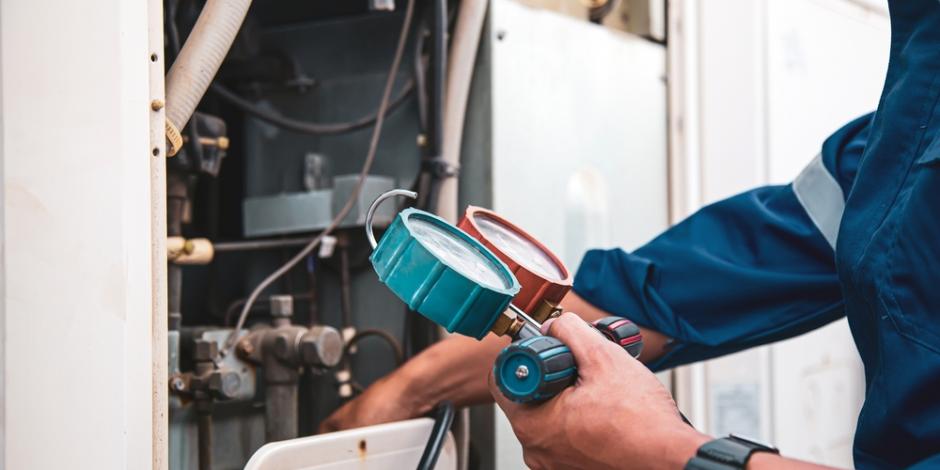
Credit: www.carjon.com

Credit: ugnasons.com
Frequently Asked Questions
How Do I Know If My Furnace Needs Repair Or Replacement?
Look for frequent breakdowns, rising energy bills, and uneven heating to decide on repair or replacement.
What Is The Average Lifespan Of A Rhode Island Furnace?
Most furnaces last about 15 to 20 years with proper maintenance.
Can Repairing An Old Furnace Save Money In The Long Run?
Small repairs help, but frequent fixes may cost more than a new furnace.
How Much Does Furnace Replacement Typically Cost In Rhode Island?
Replacement costs vary but usually range between $3,000 and $7,000, depending on furnace type.
What Are The Benefits Of Replacing An Old Furnace Now?
New furnaces improve energy efficiency, lower bills, and provide better home comfort.
Conclusion
Deciding to repair or replace your furnace can save money and stress. Old furnaces may cost more to fix than to replace. New models use less energy and heat better. Safety matters—cracks or leaks mean it’s time to replace. Regular maintenance keeps your furnace running longer.
Know the signs: strange noises, uneven heat, or high bills. Trust your instincts and call a professional when unsure. Staying warm this winter starts with smart furnace choices. Keep your home safe and cozy in Rhode Island’s cold months.