
Your furnace is the heart of your home during Colorado’s cold months. When it starts acting up, you face a tough choice: should you repair it or replace it?
Making the wrong call can cost you time, money, and comfort. You’ll discover clear signs that help you decide the best option for your home and budget. By the end, you’ll feel confident about keeping your home warm without unnecessary expenses.
Keep reading to learn exactly when to repair your furnace and when it’s time for a new one.

Credit: lionhomeservice.com
Signs Your Furnace Needs Attention
Your furnace works hard to keep your home warm during cold Colorado winters. It shows signs when it needs care. Spotting these signs early can save money and avoid discomfort. Homeowners should watch for unusual noises, rising energy bills, inconsistent heating, and frequent breakdowns. These clues help decide whether to repair or replace the furnace.
Unusual Noises
Strange sounds from your furnace mean trouble. Banging, rattling, or squealing noises are not normal. These sounds may come from loose parts or worn-out components. Ignoring them can cause more damage. Fixing these noises early can prevent bigger problems later.
Rising Energy Bills
Energy bills suddenly going up without using more heat is a warning. A failing furnace works harder to heat your home. This wastes energy and increases costs. Checking your furnace’s efficiency can help lower bills. Repair or replacement can stop the waste.
Inconsistent Heating
Some rooms feel cold while others are warm. This means your furnace is not heating evenly. Airflow issues or parts wearing out cause this problem. Uneven heat makes your home uncomfortable. Addressing this can improve warmth and comfort.
Frequent Breakdowns
Constant furnace repairs are frustrating and costly. Frequent breakdowns signal that your furnace is aging. Repairing often may not be worth the expense. Choosing to replace your furnace might save money in the long run.
Factors Influencing Repair Decisions
Deciding to repair or replace your furnace is not always easy. Several factors affect this choice. Knowing these can help Colorado homeowners save money and stay warm.
These factors show if repairs are worth it or if a new furnace is better. Think about age, cost, efficiency, and how often repairs happen.
Age Of The Furnace
Older furnaces often break down more. Most last 15 to 20 years. If your furnace is near this age, repairs may only be short-term fixes. Newer models have better technology and safety features. Age helps decide if repair costs add up or if replacement is smarter.
Cost Of Repairs
Big repair bills can add up fast. Spending more than half the furnace’s value on repairs is not wise. Sometimes small repairs are fine. Large or frequent repairs mean the furnace may fail soon. Compare repair costs to the price of a new furnace before deciding.
Energy Efficiency
Old furnaces use more energy. This raises heating bills. New furnaces are energy efficient and save money in the long run. Repairing a low-efficiency furnace may not improve savings. Consider energy costs when choosing repair or replacement.
Frequency Of Repairs
Frequent repairs show the furnace is failing. Fixing the same problem repeatedly wastes money. A furnace needing many repairs is less reliable. High repair frequency often means replacement is the better option. Reliable heat is important during Colorado winters.
When Replacement Makes More Sense
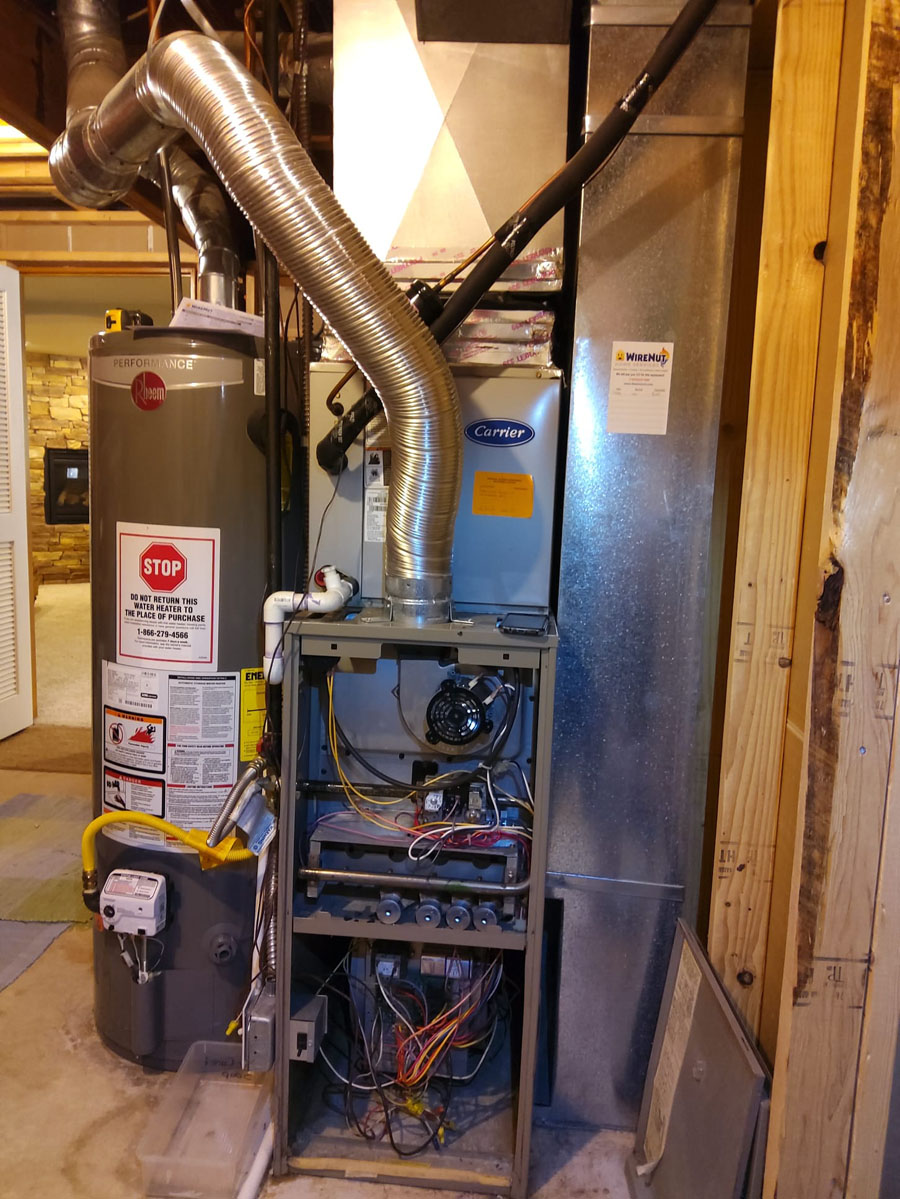
Deciding between repairing or replacing a furnace in Colorado can be tough. Sometimes, replacement is the better choice. It saves money and keeps your home warm and safe. Knowing when replacement makes more sense helps avoid costly repairs later.
Outdated Technology
Older furnaces use more fuel and waste energy. They lack modern safety features and controls. New models run cleaner and last longer. Replacing an old unit improves comfort and reduces bills.
Severe Damage
Furnaces with major damage cost a lot to fix. Parts may be hard to find or expensive. A new furnace avoids repeated repairs and breakdowns. It ensures your home stays warm without surprise costs.
Improved Energy Savings
New furnaces use less energy and save money. High-efficiency models reduce heating costs significantly. They lower your carbon footprint and help the environment. Replacement pays off over time with lower bills.
Increased Home Value
New heating systems boost your home’s market value. Buyers prefer homes with updated, reliable furnaces. A replacement can make selling easier and faster. It adds comfort and peace of mind for future owners.
Credit: thewirenut.com
Colorado-specific Considerations
Colorado homeowners face unique challenges with their furnaces. The state’s climate, local rules, and service options all affect whether to repair or replace a furnace. Understanding these factors helps make a smart choice for your home’s heating needs.
Climate Impact On Furnaces
Colorado has cold winters and dry air. Furnaces work harder to keep homes warm. This extra use can wear out parts faster. Rapid temperature changes also stress furnace components. Choose a furnace that handles these conditions well. Older furnaces may break down more often. Repairing frequently might cost more than replacing.
Local Regulations And Incentives
Colorado has rules about furnace efficiency and emissions. Some older models may not meet these standards. New furnaces often qualify for rebates and tax credits. These incentives help reduce the cost of replacement. Check local laws before deciding. Repairing a non-compliant furnace might not be allowed. Replacement could save money and meet legal requirements.
Availability Of Service Professionals
Many technicians in Colorado specialize in furnace repair and replacement. In remote areas, finding skilled help can be harder. Scheduling repairs might take longer in winter. Some companies offer emergency services during cold snaps. Regular maintenance by a local expert can extend furnace life. Consider the availability of service when choosing repair or replacement.
Steps To Take Before Deciding
Deciding whether to repair or replace your furnace is not simple. It needs careful thought. Taking the right steps can save money and keep your home warm. Start with clear information and expert advice.
This helps avoid costly mistakes and surprises during winter. Know what to check and how to plan your next move. Here are key steps every Colorado homeowner should follow before deciding.
Professional Inspection
Hire a certified HVAC technician for a full furnace check. They find hidden problems and evaluate the system’s health. The inspection shows if repairs are enough or if replacement is better. Professionals also check safety features and energy efficiency. This step gives a clear picture of your furnace’s condition.
Estimating Repair Vs Replacement Costs
List all repair costs from the inspection report. Compare these with the price of a new furnace. Consider future repair needs and energy savings of a new system. A simple cost comparison helps decide what saves money long term. Don’t forget to include installation and maintenance costs.
Exploring Financing Options
Look for financing plans to manage expenses. Many companies offer payment plans for repairs or new furnaces. Some local programs provide grants or low-interest loans for energy-efficient upgrades. Understanding payment options helps avoid financial stress. It makes replacing your furnace easier when needed.
Credit: thewirenut.com
Maintaining Your Furnace For Longevity
Maintaining your furnace helps it last longer and work better. A well-kept furnace uses less energy and keeps your home warm. Simple care steps protect your investment and avoid costly repairs. Regular attention keeps your furnace running safely through cold Colorado winters.
Regular Maintenance Tips
Check your furnace for dust and dirt. Clean the vents and blower fans. Keep the area around the furnace clear of clutter. Inspect the pilot light or ignition system for steady flame. Listen for strange noises or smells. These simple checks help spot problems early.
Filter Replacement Schedule
Change furnace filters every 1 to 3 months. Dirty filters block airflow and reduce efficiency. Use the filter type recommended by the manufacturer. Mark your calendar to remember filter changes. Clean filters improve air quality and keep the furnace safe.
Signs To Schedule Professional Tune-ups
Call a technician if the furnace smells strange or makes loud noises. Poor heat or uneven warming needs expert attention. Schedule yearly tune-ups before winter starts. A pro will check parts, clean components, and test safety features. This keeps your furnace reliable all season.
Frequently Asked Questions
How Do I Know If My Furnace Needs Repair Or Replacement?
Look for frequent breakdowns, rising energy bills, or uneven heating as signs to repair or replace your furnace.
What Is The Average Lifespan Of A Home Furnace In Colorado?
Most home furnaces last 15 to 20 years, depending on usage and maintenance.
How Much Does Furnace Repair Usually Cost In Colorado?
Repair costs vary but typically range from $150 to $500 for common issues.
When Does Replacing A Furnace Save More Money Than Repairing?
Replace when repair costs exceed half the price of a new furnace or it’s very old.
Can A Repaired Furnace Be As Efficient As A New One?
Repairs fix issues but new furnaces often run more efficiently and save energy.
Conclusion
Deciding between furnace repair and replacement matters for your home’s comfort. Older furnaces may cost more in repairs and energy bills. A new furnace can save money and keep your home warm. Pay attention to repair frequency and heating efficiency.
Trust your feelings when your furnace struggles to heat well. Acting early avoids cold nights and unexpected breakdowns. Choose the option that fits your budget and needs best. Keep your home cozy all winter long.