
If you live in Alaska, you know how important it is to keep your home warm and comfortable during those long, cold months. But have you ever wondered if there’s a smarter, more efficient way to heat your home?
Heat pumps might be the answer you’ve been looking for. They can save you money on energy bills and keep your home cozy, even when the temperature drops well below freezing. You’ll discover everything you need to know about heat pumps and why they could be the perfect fit for your Alaskan home.
Keep reading to find out how to make the best choice for your comfort and budget.
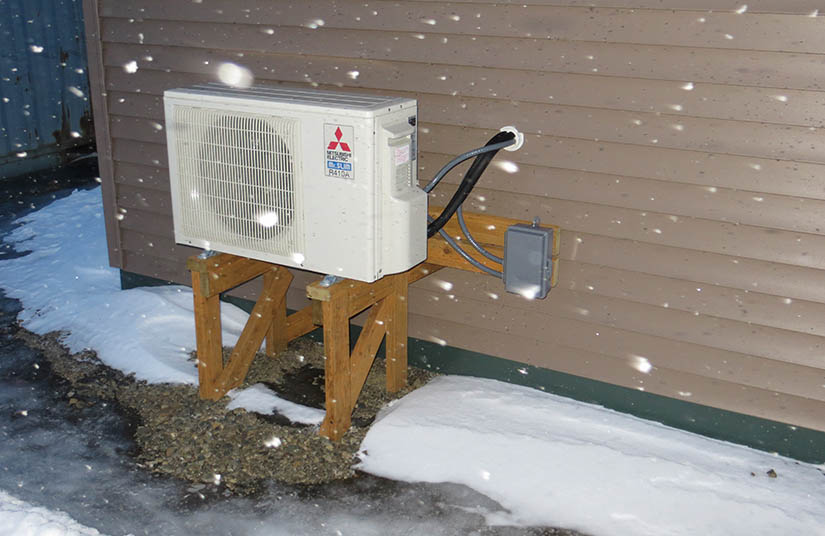
Credit: www.nrel.gov
Heat Pumps In Alaska
Heat pumps are becoming more popular in Alaska homes. They offer an efficient way to heat and cool your house. Alaska’s cold temperatures require special types of heat pumps. Understanding how they work helps you choose the right system for your home.
How Heat Pumps Work
Heat pumps move heat from one place to another. In winter, they pull heat from outside air and bring it inside. Even cold air has some heat energy. The pump uses electricity to transfer that heat. In summer, the process reverses to cool your home. This makes heat pumps useful all year round.
Types Suitable For Cold Climates
Not all heat pumps work well in Alaska’s cold. Cold climate heat pumps are made to operate in low temperatures. Air-source heat pumps are common and can work down to -15°F. Ground-source or geothermal heat pumps use the earth’s heat. They stay efficient even in freezing weather. Choosing the right type ensures warmth and saves energy.

Credit: yaleclimateconnections.org
Benefits For Alaskan Homes
Heat pumps offer many advantages to homes in Alaska. They work well even in cold climates. These systems provide reliable heating during long winters. Heat pumps also cool homes in the short summer months. This dual function makes them practical year-round. Homeowners can enjoy comfort and savings at the same time.
Choosing the right heating system matters. Heat pumps use less energy compared to traditional heating. This helps reduce monthly utility bills. They also need less maintenance. These features make heat pumps a smart choice for Alaskan homes.
Energy Efficiency
Heat pumps use electricity to move heat, not create it. This process uses less energy than electric heaters or furnaces. Even in cold temperatures, modern heat pumps can extract heat from outside air. This leads to less energy waste. Energy-efficient homes also feel more comfortable and warm.
Cost Savings
Heat pumps lower heating costs significantly. They use less electricity than other heating systems. Over time, the savings on energy bills add up. Many homeowners save hundreds of dollars each year. Heat pumps also last many years, reducing replacement costs. This makes them a good investment for Alaska.
Environmental Impact
Heat pumps reduce carbon footprints by using less fuel. They produce fewer greenhouse gas emissions than oil or gas heaters. Using a heat pump helps protect the environment. Cleaner air and less pollution benefit everyone. This is important for preserving Alaska’s natural beauty.
Challenges In Harsh Weather
Heat pumps offer energy-efficient heating, but Alaska’s harsh weather creates challenges. Extremely low temperatures can affect their function and reliability. Homeowners should know what to expect and how to care for these systems during cold months.
Performance In Extreme Cold
Heat pumps work by moving heat from outside to inside. In very low temperatures, this process slows down. The system may need extra energy to keep your home warm. Some models are better suited for cold climates than others.
Maintenance Needs
Regular maintenance is vital for heat pumps in Alaska. Snow and ice can block outdoor units. Clearing debris and checking for frost buildup helps maintain efficiency. Scheduling professional inspections can prevent breakdowns during winter.
Common Issues
Ice buildup on coils is a frequent problem. It reduces heat transfer and strains the system. Defrost cycles help, but they use extra power. Fans and compressors may wear out faster in cold weather. Timely repairs keep the heat pump running smoothly.
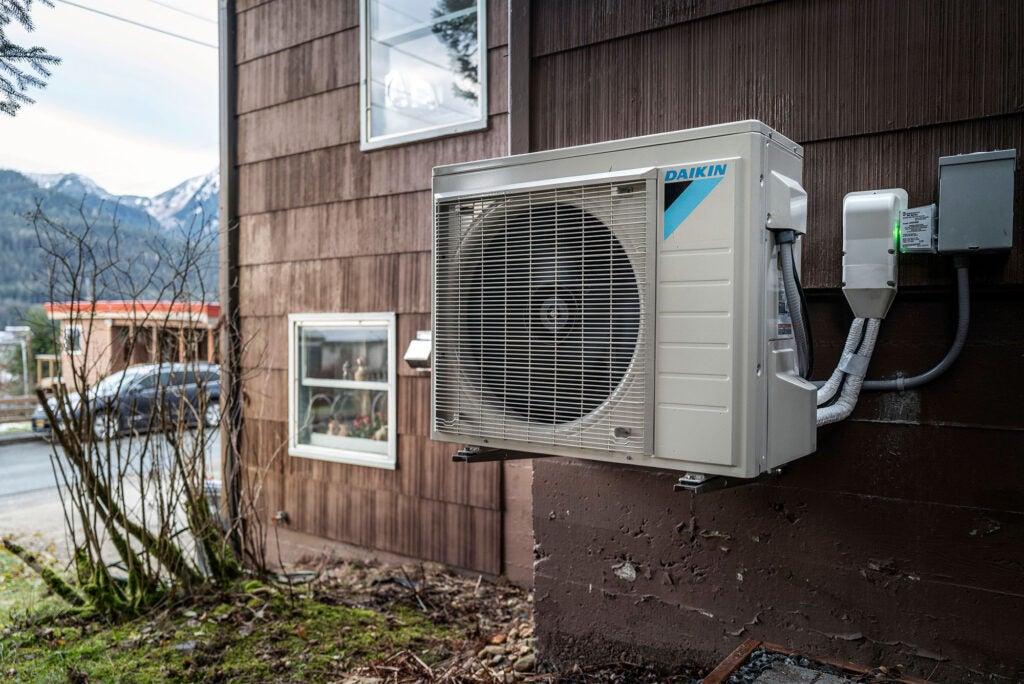
Credit: earthjustice.org
Installation Considerations
Installing a heat pump in Alaska has unique challenges. Cold weather affects performance and setup. Proper installation ensures the system works well and lasts long. Homeowners must consider several important factors before starting.
Choosing The Right System
Select a heat pump designed for cold climates. Some models work better in freezing temperatures. Look for units with a good heating capacity. Consider if you want air-source or ground-source heat pumps. Size the system to match your home’s space and insulation. The right system saves energy and keeps your home warm.
Professional Installation Tips
Hire experienced installers familiar with Alaska’s climate. Proper placement of the outdoor unit is key. Avoid spots with heavy snow or ice buildup. Ensure good airflow around the unit for efficiency. Check the refrigerant lines for leaks or damage. Test the system after installation to confirm it heats properly.
Permits And Regulations
Check local building codes before installation. Some areas require permits for heat pump installation. Follow safety rules for electrical and refrigerant work. Submit necessary paperwork to avoid fines or delays. Inspections may be needed after installation. Staying legal protects your investment and home.
Operating And Maintenance Tips
Operating and maintaining a heat pump in Alaska requires some care. Proper attention helps the system run smoothly and last longer. This section covers key tips to keep your heat pump working well.
Maximizing Efficiency
Set the thermostat to a steady temperature. Avoid big changes that make the pump work harder.
Keep vents and registers clear. Blocked airflow lowers efficiency.
Use ceiling fans to help spread warm air in winter. This reduces the pump’s workload.
Routine Maintenance Tasks
Clean or replace air filters every month. Dirty filters reduce airflow and strain the system.
Clear snow and ice from outdoor units. Build-up can block heat exchange.
Check for debris around the heat pump. Leaves and dirt can cause damage over time.
Schedule a professional check-up yearly. Experts ensure all parts work correctly and safely.
Troubleshooting Basics
Listen for unusual noises like banging or rattling. These may signal loose parts or damage.
Check the thermostat batteries if the system does not respond.
Look for error codes on the display panel. They help identify specific problems.
Reset the system by turning off the power for a few minutes. This can fix minor glitches.
Financial Incentives And Support
Heat pumps offer an energy-efficient way to heat and cool homes in Alaska. Financial incentives and support make installing them more affordable. These programs help reduce upfront costs and encourage homeowners to upgrade their systems. Understanding available rebates, tax credits, and local utility programs can save money. Long-term savings add even more value to heat pump investments.
Rebates And Tax Credits
Many federal and state programs offer rebates and tax credits for heat pump installations. These incentives lower the initial price of equipment and installation. The federal government often provides a tax credit for energy-efficient home improvements. Alaska also has state-specific rebates that support clean energy choices. Check eligibility requirements to qualify for these savings.
Local Utility Programs
Utility companies in Alaska sometimes run special programs for heat pump buyers. These programs may include rebates, discounted installations, or free energy assessments. Utilities aim to reduce energy demand during cold months. Participating in these programs can cut costs and improve system performance. Contact your local utility to learn about current offers.
Long-term Savings
Heat pumps use less energy than traditional heating systems. This leads to lower monthly utility bills. Over time, savings on energy costs can cover the purchase price. Heat pumps also need less maintenance, reducing repair costs. Investing in a heat pump pays off with steady financial benefits for years.
Frequently Asked Questions
What Is A Heat Pump And How Does It Work In Alaska?
A heat pump moves heat from outside to inside your home. It works well even in cold Alaska weather.
Are Heat Pumps Cost-effective For Alaska Homeowners?
Heat pumps save money by using less electricity than traditional heaters. They lower heating bills over time.
Can Heat Pumps Handle Alaska’s Extreme Cold Temperatures?
Modern heat pumps are designed to work in very cold weather. They keep homes warm even in deep winter.
How Do Heat Pumps Improve Home Comfort In Alaska?
Heat pumps provide steady warmth and reduce dry air. They keep your home cozy and fresh.
What Maintenance Do Heat Pumps Require In Alaska?
Regular filter cleaning and yearly check-ups keep heat pumps working well. Simple care extends their lifespan.
Conclusion
Heat pumps offer an efficient way to heat Alaska homes. They work well even in cold weather. Homeowners should consider their home’s size and insulation. Proper installation ensures the best performance. Regular maintenance keeps the system running smoothly. Choosing the right heat pump can lower energy bills.
It also helps reduce environmental impact. Understanding these basics makes the decision easier. A warm, comfortable home is possible with heat pumps. Think carefully before making your choice.