
Are you worried about potential issues with your flex fuel engine? You’re not alone.
Many drivers love the idea of using flexible fuel options but often face unexpected engine problems that can be frustrating and costly. Understanding these common flex fuel engine problems can save you time, money, and stress. You’ll discover what might be causing your engine troubles and how to prevent them, so your vehicle runs smoothly no matter what fuel you choose.
Keep reading to protect your ride and get the most out of your flex fuel engine.
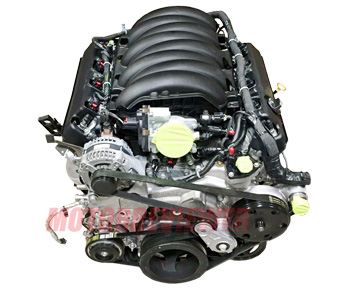
Credit: www.motorreviewer.com
Flex Fuel Engine Basics
Flex fuel engines offer a flexible way to use different types of fuel. These engines can run on gasoline, ethanol, or a mix of both. This flexibility helps reduce reliance on traditional fuels and can lower emissions.
Understanding how these engines work and the types of vehicles that use them helps identify common problems. This knowledge is useful for both drivers and mechanics.
How Flex Fuel Engines Work
Flex fuel engines have special sensors to detect fuel type. They adjust engine settings based on the fuel mixture. This ensures the engine runs smoothly on gasoline or ethanol blends.
The engine control unit (ECU) changes the air-fuel ratio and ignition timing. It helps maintain power and efficiency. This adaptability prevents damage and improves fuel economy.
Types Of Flex Fuel Vehicles
Many car manufacturers offer flex fuel vehicles (FFVs). These include sedans, SUVs, and trucks. FFVs are popular in countries with ethanol fuel availability.
These vehicles look like regular cars but have a fuel system designed for ethanol use. Owners can fill their tanks with any mix of gasoline and ethanol. This makes FFVs versatile and convenient for drivers.
Common Flex Fuel Engine Issues
Flex fuel engines allow cars to run on a mix of gasoline and ethanol. These engines offer flexibility but face some common problems. Knowing these issues helps maintain your vehicle better. Below are frequent problems seen with flex fuel engines.
Fuel System Corrosion
Ethanol attracts water, which can cause corrosion. Metal parts in the fuel system may rust faster. Corroded fuel lines and tanks can lead to leaks. This reduces engine performance and can cause damage.
Engine Misfires
Misfires happen when the fuel does not burn correctly. Ethanol has different burning properties than gasoline. Improper fuel mixture can cause the engine to hesitate or stall. Regular checks help catch misfires early.
Sensor Malfunctions
Flex fuel engines use sensors to detect fuel type. Sensors can fail or give wrong readings over time. Faulty sensors cause poor engine performance and warning lights. Replacing bad sensors restores engine balance.
Reduced Fuel Efficiency
Using ethanol blends often lowers fuel efficiency. Ethanol contains less energy than pure gasoline. Drivers may notice more frequent fuel stops. Understanding this helps manage fuel costs better.
Diagnosing Flex Fuel Problems
Diagnosing problems in a flex fuel engine requires a careful approach. These engines run on a mix of gasoline and ethanol. The fuel blend can affect how the engine performs. Identifying the issue early helps avoid costly repairs. The process involves checking several key components and using proper tools.
Checking Fuel Quality
Fuel quality directly impacts engine function. Poor or contaminated fuel causes misfires and poor mileage. Check for water or dirt in the fuel tank. Use fuel additives to clean minor deposits. Ensure the ethanol content matches your vehicle’s requirements. Bad fuel often leads to rough idling or stalling.
Inspecting Fuel Injectors
Fuel injectors spray fuel into the engine. They must work correctly for smooth operation. Dirty or clogged injectors reduce fuel flow and cause uneven running. Remove and clean injectors with a proper cleaner. Look for cracks or leaks in injector seals. Replace faulty injectors to restore engine efficiency.
Using Diagnostic Tools
Diagnostic tools read error codes from the engine control unit. These codes point to specific problems quickly. Use an OBD-II scanner for flex fuel vehicles. The scanner helps detect sensor failures or fuel system faults. Regular scans keep your engine running at its best. Early detection prevents major engine damage.
Expert Repair Techniques
Expert repair techniques help fix flex fuel engine problems efficiently. These methods focus on key areas that keep the engine running smoothly. Proper repairs improve engine performance and extend its life.
Understanding and applying these techniques is essential for accurate diagnosis and repair. Skilled mechanics follow specific steps to address common issues. Each step targets a different part of the engine system.
Cleaning And Replacing Components
Regular cleaning removes dirt and deposits from fuel injectors and valves. Dirty parts cause poor engine performance and higher emissions. Replacing worn components like fuel pumps and filters restores proper fuel flow. Clean parts improve engine efficiency and reduce breakdowns.
Calibrating Sensors
Sensors detect fuel type and engine conditions. Proper calibration ensures the engine adjusts to ethanol blends correctly. Incorrect sensor readings cause poor fuel economy and rough idling. Calibration tools reset sensors to factory settings for accurate data.
Software Updates For Engine Control
Engine control units (ECUs) use software to manage fuel injection and timing. Updates fix bugs and improve compatibility with flex fuel blends. Updated software optimizes engine performance and reduces emissions. Technicians use special equipment to load new software safely.
Preventive Maintenance Tips
Preventive maintenance is key to avoiding flex fuel engine problems. Regular care keeps your engine running smoothly. It also helps extend engine life and save money on repairs.
Simple steps can make a big difference. Follow these tips to protect your flex fuel engine.
Choosing The Right Fuel
Always use the correct fuel type for your flex fuel engine. Ethanol blends up to 85% work best. Avoid using pure gasoline or unknown blends. Wrong fuel can cause damage and reduce performance.
Check your owner’s manual for fuel recommendations. Stick to trusted fuel brands to ensure quality.
Regular Engine Inspections
Inspect your engine regularly for signs of wear or damage. Look for leaks, cracks, or unusual noises. Early detection of problems prevents costly repairs later.
Schedule professional inspections at least twice a year. Mechanics can spot issues you might miss.
Fuel System Additives
Use fuel system additives designed for flex fuel engines. These additives clean injectors and prevent buildup. They keep fuel lines and pumps working well.
Additives also help reduce corrosion caused by ethanol. Follow product instructions carefully for best results.

Credit: bmwtuning.co
When To Seek Professional Help
Flex fuel engines can face unique problems that need expert care. Knowing when to seek professional help saves money and prevents bigger issues. Early action keeps your engine running smoothly and safely.
Signs Of Severe Engine Damage
Watch for unusual noises like knocking or pinging sounds. Engine misfires or rough idling signal trouble. Check engine light staying on means a serious problem. Poor fuel economy can indicate engine damage. Strong smells of fuel or burning are warning signs. Excessive exhaust smoke shows the engine struggles.
Finding Certified Flex Fuel Mechanics
Choose mechanics with flex fuel engine experience. Certified technicians understand fuel blends and engine parts. Ask about their training and certification. Look for reviews or recommendations from other flex fuel owners. A good mechanic uses proper diagnostic tools. Trust only experts to handle flex fuel problems safely.

Credit: www.bellperformance.com
Frequently Asked Questions
What Are Common Problems With Flex Fuel Engines?
Flex fuel engines may face issues like poor fuel economy, rough idling, and engine knocking.
How Does Ethanol Affect Flex Fuel Engine Performance?
Ethanol can cause corrosion and deposits, reducing engine efficiency and lifespan over time.
Can Flex Fuel Engines Run On Regular Gasoline Only?
Yes, but using only gasoline may reduce flex fuel benefits and cause slight performance drops.
Why Does My Flex Fuel Engine Misfire Sometimes?
Misfires can happen due to ethanol’s different combustion, spark plug wear, or fuel system issues.
How To Maintain A Flex Fuel Engine Properly?
Use recommended fuel blends, change spark plugs often, and keep fuel injectors clean for best results.
Conclusion
Flex fuel engines offer flexibility but can face some challenges. Problems like sensor issues and fuel system wear need attention. Regular maintenance helps keep these engines running smoothly. Using the right fuel blend is important to avoid damage. Understanding common issues helps drivers make smart choices.
Stay informed and act quickly if problems appear. This keeps your engine healthy and reliable. Choose flex fuel engines knowing both benefits and risks.