
Is your GFCI outlet suddenly not working? It can be frustrating when you rely on it for safety, and it just won’t do its job.
You might wonder if it’s broken, or worse, if there’s a hidden electrical problem in your home. Don’t worry—this issue is more common than you think, and often, the fix is simpler than you expect. Keep reading, because understanding why your GFCI outlet isn’t working could save you time, money, and keep your home safe.
Let’s uncover the reasons behind this problem and how you can get your outlet back to normal.
Common Causes Of Gfci Outlet Failure
GFCI outlets protect people from electrical shocks. They cut power quickly if they detect a problem. Sometimes, these outlets stop working. Several common reasons cause this failure. Understanding these helps fix the issue fast.
Tripped Circuit Breaker
Circuit breakers stop power during an overload or short circuit. A tripped breaker cuts electricity to the GFCI outlet. Check the breaker panel for switches that are off or in the middle. Resetting the breaker often restores power to the outlet.
Power Supply Issues
Power supply problems can make a GFCI outlet stop working. Loose connections or damaged wires can interrupt electricity flow. Power outages or electrical faults in the home may also cause issues. Testing other outlets helps confirm if power is the problem.
Faulty Gfci Outlet
Sometimes the GFCI outlet itself is defective. It may wear out over time or get damaged by moisture. A faulty outlet will not reset or provide power. Replacing the outlet is often necessary to restore safety and function.
Wiring Problems
Incorrect or loose wiring inside the outlet box can cause failure. Wires must be connected to the right terminals. Poor wiring affects the GFCI’s ability to detect faults and trip properly. Hiring an electrician is best for fixing wiring issues safely.
Overloaded Circuit
Too many devices on one circuit cause an overload. The GFCI outlet may trip to prevent damage or shock. Reducing the number of plugged-in devices can stop frequent trips. Balance the load across different circuits in the home.
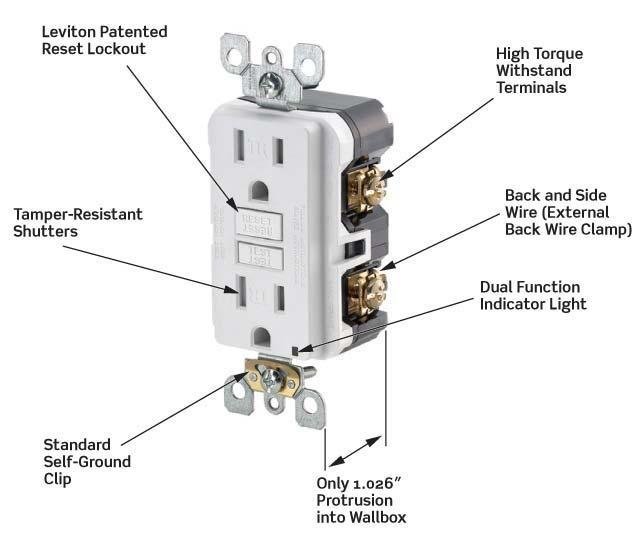
Credit: diy.stackexchange.com
How To Reset A Gfci Outlet
Resetting a GFCI outlet is often the first step to fix it. GFCI outlets stop the power to protect you from electric shock. Sometimes, they trip and need a reset to work again.
Knowing how to reset a GFCI outlet can save time and avoid calling an electrician. This guide shows simple steps anyone can follow safely.
Locate The Reset Button
Look for the small button in the center of the outlet. It is usually red or black. The button will say “Reset” on it. Sometimes, there is also a “Test” button nearby. The reset button is the one to press.
Proper Reset Procedure
First, make sure your hands are dry. Press the reset button firmly until you hear a click. The outlet should now have power again. Check by plugging in a small device like a lamp. If it works, the reset was successful.
When Resetting Doesn’t Work
The outlet might not reset if there is a serious problem. It could be a wiring issue or a faulty outlet. Try pressing the test button and then reset again. If still no power, the outlet might need replacement. Calling a professional electrician is the safest choice in this case.
Testing Gfci Outlets Safely
Testing GFCI outlets safely is key to keeping your home protected from electrical shocks. GFCI outlets stop power fast if they detect a problem. Knowing how to test them helps you find issues early. Follow safe steps to avoid accidents and ensure the outlet works right.
Using A Gfci Tester
A GFCI tester is a small tool made for checking these outlets. Plug it into the outlet and press the test button on the outlet. The tester shows if the outlet trips properly. If it does, the GFCI is working. If not, the outlet may need fixing or replacing.
Manual Testing Methods
Manual testing means pressing the “Test” and “Reset” buttons on the GFCI outlet. Press the “Test” button to cut off power. The “Reset” button turns it back on. If the outlet does not cut power or reset, it is faulty. Always test outlets with dry hands and avoid water nearby.
Signs Of A Faulty Outlet
Look for signs like no power or the outlet not resetting. Flickering power or a tripped breaker can also mean trouble. If the outlet trips too often or feels warm, it may be bad. A faulty GFCI outlet needs a professional to check or replace it.

Credit: mssortiz.com
Quick Fixes To Try Today
GFCI outlets can stop working for simple reasons. Before calling an electrician, try some quick fixes. These easy steps often solve the problem fast. Save time and avoid extra costs by trying these first.
Resetting The Breaker
Locate your home’s main breaker panel. Find the breaker that controls the GFCI outlet. Turn it off and wait for 30 seconds. Switch it back on. This can reset the power and fix the outlet.
Unplugging Devices
Unplug everything from the GFCI outlet and nearby outlets. Sometimes a plugged-in device causes overload or shorts. After unplugging, press the outlet’s reset button. This may restore power to the outlet.
Replacing The Outlet
If resetting does not work, the outlet may be broken. Turn off power at the breaker first. Remove the outlet carefully and replace it with a new GFCI outlet. This can fix internal faults causing the issue.
Checking For Moisture Or Damage
Look closely for water or dirt near the outlet. Moisture can cause the GFCI to trip or stop working. Clean and dry the outlet area. Replace it if you see cracks or burn marks. Safety first.
When To Call A Professional
Knowing when to call a professional electrician is important for GFCI outlet problems. Some issues need expert help to avoid risks and ensure the outlet works properly. Here are signs that it is time to get a pro involved.
Persistent Outlet Issues
If your GFCI outlet keeps tripping or stops working after resetting, it signals a deeper problem. Repeated failures mean simple fixes are not enough. A professional can diagnose and fix persistent faults safely.
Complex Wiring Problems
Wiring issues can be tricky. Incorrect or damaged wiring can cause the GFCI to malfunction or become dangerous. Professionals have the tools and knowledge to handle wiring safely and correctly. Avoid guessing with electrical wiring.
Safety Concerns
Electricity can be dangerous. If you notice sparks, burning smells, or damaged outlets, stop using them. These signs show serious hazards. Calling a professional prevents accidents and protects your home and family from harm.

Credit: www.youtube.com
Frequently Asked Questions
Why Is My Gfci Outlet Not Resetting?
A tripped GFCI outlet may need a firm press on the reset button to restore power.
Can A Power Surge Cause Gfci Outlet Failure?
Yes, power surges can damage GFCI outlets, making them stop working properly.
How Do I Test If My Gfci Outlet Is Working?
Press the “Test” button; the power should cut off. Then press “Reset” to restore power.
What Causes Frequent Gfci Outlet Trips?
Overloaded circuits or faulty appliances often cause GFCI outlets to trip repeatedly.
Should I Replace A Gfci Outlet That Won’t Work?
Yes, if resetting doesn’t help, replacing the outlet ensures safety and proper function.
Conclusion
A GFCI outlet may stop working for many simple reasons. Checking the reset button often solves the problem. Sometimes, a power outage or tripped breaker causes the issue. Loose wiring or damaged outlets can also be the cause. Testing with a multimeter helps find electrical faults.
Safety matters most, so avoid risky fixes. Call a professional if unsure or problems persist. Knowing these steps saves time and keeps your home safe. Don’t ignore a faulty GFCI; fix it promptly.