
If you own a home in Missouri, you’ve probably thought about how to keep your house comfortable all year round. Heat pumps might be the solution you didn’t know you needed.
But before you make a decision, it’s important to understand how heat pumps work, their benefits, and what makes them a smart choice for Missouri’s unique weather. This guide will help you discover everything you should know about heat pumps so you can make the best choice for your home and your wallet.
Ready to learn how to stay warm in winter and cool in summer while saving money? Let’s dive in.
Credit: theheatpumpstore.com
How Heat Pumps Work
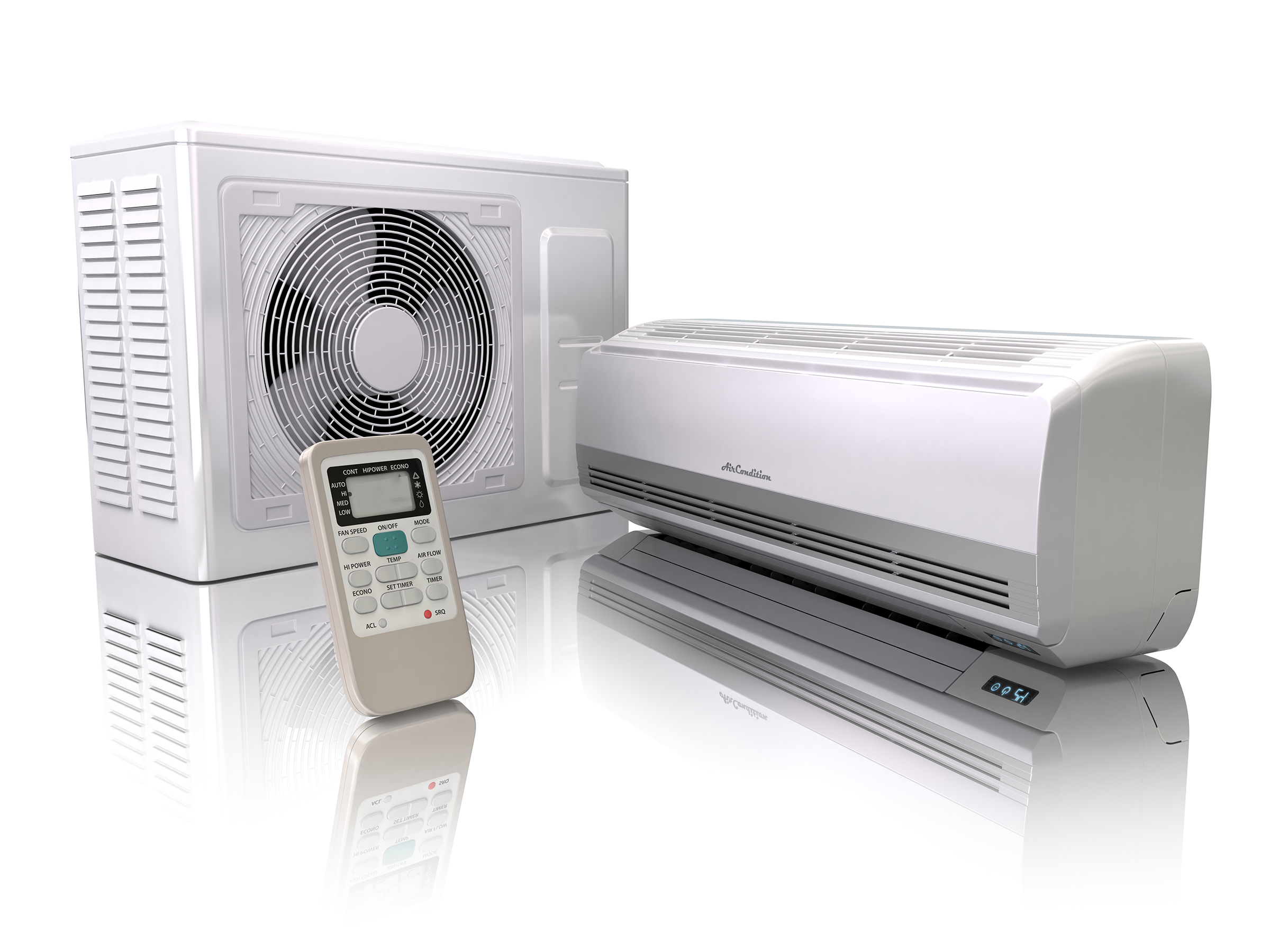
Heat pumps are a smart choice for Missouri homeowners. They provide both heating and cooling by moving heat instead of creating it. Understanding how heat pumps work helps you see their benefits and how they save energy all year round.
Basic Operation Principles
Heat pumps move heat from one place to another. In cold weather, they take heat from outside air and bring it inside. In warm weather, they do the opposite by taking heat from inside and releasing it outside. This process uses a special fluid called refrigerant.
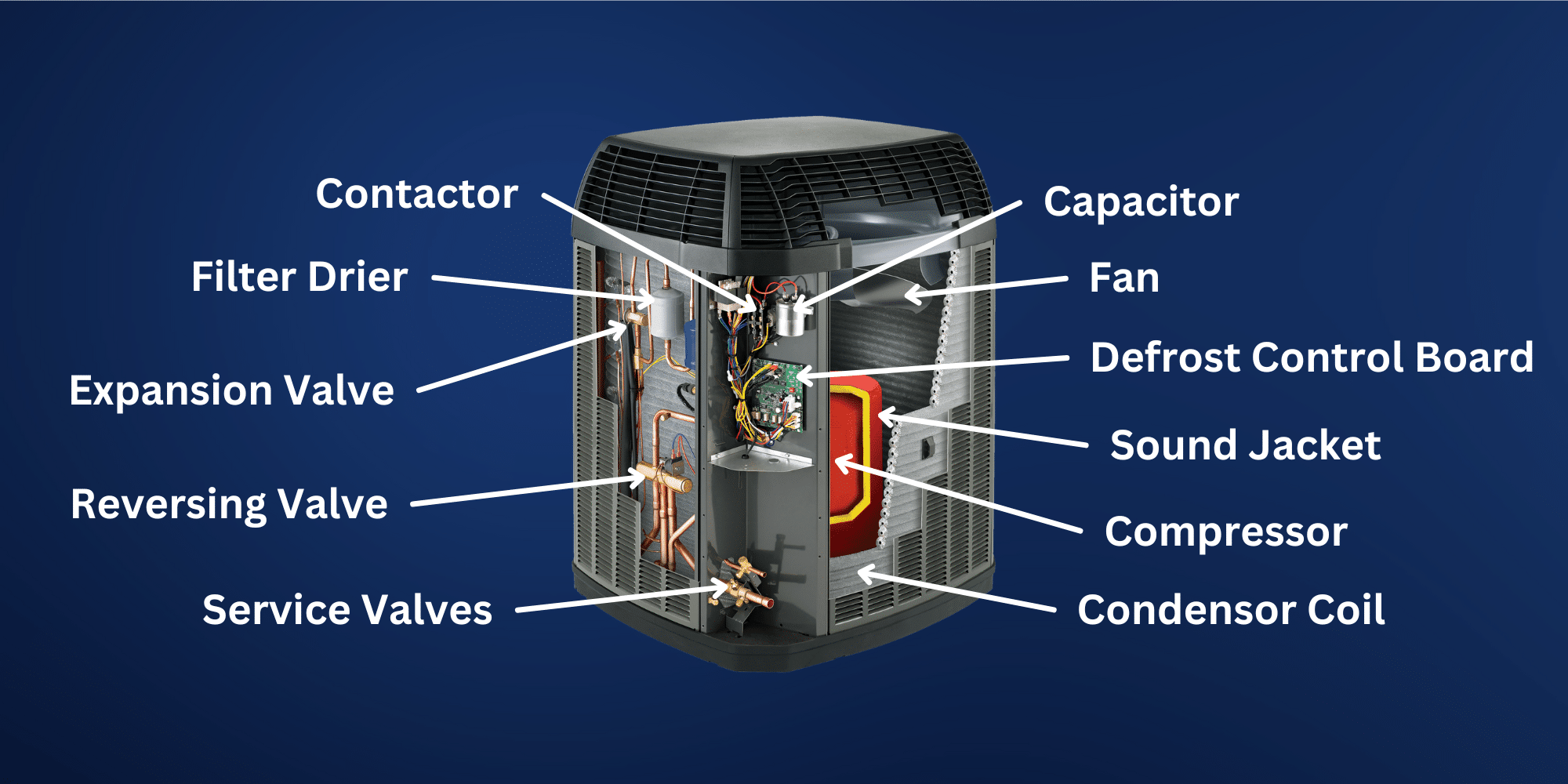
The refrigerant absorbs heat as it changes from liquid to gas. Then it moves through coils and a compressor to release or absorb heat. This cycle repeats to keep your home comfortable.
Heating And Cooling Modes
Heat pumps switch between heating and cooling modes easily. In heating mode, the pump extracts heat from the outside air. It works even when temperatures are low, making your home warm.
In cooling mode, the heat pump moves heat from inside to outside. This cools your home like an air conditioner. A simple switch controls these modes, providing year-round comfort.
Energy Efficiency Benefits
Heat pumps use less electricity than traditional heaters. They move heat instead of generating it, saving energy. This makes them cost-effective for Missouri homes.
They also reduce carbon emissions by using less fuel. Heat pumps work quietly and require little maintenance. These features make them a smart, efficient choice for many homeowners.
Credit: www.watkinsheating.com
Types Of Heat Pumps
Heat pumps are popular for heating and cooling homes in Missouri. They use electricity to move heat from one place to another. Different types of heat pumps work best for different homes and climates. Understanding these types helps homeowners choose the right system.
Here are the main types of heat pumps to consider for your Missouri home.
Air-source Heat Pumps
Air-source heat pumps take heat from the outside air. They can heat your home in winter and cool it in summer. These pumps work well in mild climates. Modern models work efficiently even in cold weather. They are easy to install and cost less upfront.
Ground-source Heat Pumps
Ground-source heat pumps, also called geothermal heat pumps, use the earth’s stable temperature. Pipes are buried underground to transfer heat. These pumps work well all year, regardless of outside weather. They save more energy but cost more to install. They last longer and lower utility bills.
Hybrid Heat Pumps
Hybrid heat pumps combine a heat pump and a furnace. The system switches between the two for best efficiency. It uses the heat pump in mild weather and the furnace in very cold weather. This option can save energy and keep your home warm. It suits Missouri’s changing temperatures well.
Benefits For Missouri Homes
Heat pumps offer many benefits for Missouri homeowners. These systems work well in the local climate. They provide efficient heating and cooling all year. Homeowners can save money and reduce their environmental impact. Heat pumps are a smart choice for Missouri homes.
Climate Suitability
Missouri has cold winters and hot summers. Heat pumps can handle both well. They extract heat from outside even in cold weather. In summer, they work like an air conditioner. This makes them perfect for the changing seasons in Missouri.
Cost Savings On Energy Bills
Heat pumps use less energy than traditional heaters. They move heat instead of creating it. This lowers electricity use and reduces bills. Many Missouri homeowners see noticeable savings each month. The initial cost pays off through lower energy expenses.
Environmental Impact
Heat pumps produce fewer greenhouse gases than gas or oil heaters. They use electricity more efficiently, reducing fossil fuel use. This helps Missouri reduce its carbon footprint. Choosing a heat pump supports cleaner air and a healthier environment.

Credit: www.youtube.com
Installation Considerations
Installing a heat pump in Missouri needs careful thought. Proper installation ensures the system works well and lasts long. It also affects energy savings and comfort at home. Homeowners should know key points before starting the process. This helps avoid common mistakes and extra costs.
Choosing The Right Size
Picking the correct size of heat pump is very important. A unit too small will struggle to heat or cool your home. Too large means wasting energy and money. Professionals use home size, insulation, and climate data. This helps match the heat pump’s capacity to your needs. Proper sizing improves comfort and efficiency.
Professional Installation Tips
Hire a licensed technician for the installation. They have the skills and tools needed for a good job. The installer will place the outdoor unit in a clear, shaded spot. Indoor parts should connect tightly to avoid leaks. Proper wiring and refrigerant charging are essential. Follow the manufacturer’s instructions and local best practices.
Permits And Local Regulations
Missouri requires permits for installing heat pumps in many areas. Check with your city or county office before starting. Permits ensure the installation meets safety and building codes. Inspections may be needed after installation. Complying with rules prevents fines and future problems.
Maintenance Tips
Proper maintenance keeps your heat pump working well all year. It saves money and avoids sudden breakdowns. Small checks can spot problems early. Follow simple steps to ensure your system stays efficient and lasts longer.
Regular Inspection Checklist
- Check air filters monthly; clean or replace if dirty.
- Inspect outdoor unit for leaves, dirt, or debris.
- Look for ice buildup during winter months.
- Listen for unusual noises from the system.
- Ensure thermostat settings match your comfort needs.
- Check electrical connections for wear or damage.
- Examine ductwork for leaks or blockages.
Common Issues And Fixes
Heat pumps may lose efficiency due to clogged filters. Replace or clean filters regularly. Ice on the outdoor coil can reduce heat transfer. Turn off the system and let ice melt, then check drainage. Strange noises often mean loose parts or debris. Tighten screws or clear the area around the unit. Thermostat problems cause wrong temperature settings. Reset or replace the thermostat if needed.
Extending Heat Pump Lifespan
Schedule professional service at least once a year. Professionals clean coils, check refrigerant, and test system performance. Keep the outdoor unit clear of plants and dirt. Use a programmable thermostat to reduce wear by avoiding constant on-off cycles. Seal and insulate ducts to improve airflow. Avoid setting extreme temperatures to reduce stress on the system.
Incentives And Rebates
Heat pumps can lower energy bills and help the environment. Missouri homeowners can save more by using incentives and rebates. These programs reduce the upfront cost of installing heat pumps. Check local and national options to find the best deals. Here are some key programs to consider.
Missouri State Programs
Missouri offers special programs to help pay for energy-saving upgrades. These include rebates for installing efficient heat pumps. State programs often work with local agencies. They provide guidance and financial support. Check Missouri’s energy office website for current offers.
Federal Tax Credits
The federal government gives tax credits for certain heat pump installations. This lowers the amount of tax owed. Homeowners can claim credits on their yearly tax returns. The credit covers a portion of the cost. Make sure your heat pump meets federal requirements.
Utility Company Offers
Many Missouri utility companies offer rebates or discounts. These encourage customers to use energy-efficient equipment. Utility offers vary by company and location. Some provide free home energy audits. Contact your utility provider to learn about available rebates.
Comparing Heat Pumps With Traditional Systems
Homeowners in Missouri often choose between heat pumps and traditional heating systems. Both provide warmth but work differently. Understanding their differences helps make a smart choice. This section compares heat pumps with traditional systems on key points.
Efficiency Differences
Heat pumps use electricity to move heat, not create it. This makes them very efficient, especially in mild weather. Traditional systems burn fuel or use electric resistance to make heat. They use more energy, which raises bills. Heat pumps can save money by using less energy for heating and cooling.
Cost Comparison
Heat pumps often cost more to install than traditional systems. Installation needs special equipment and skills. Traditional systems usually have lower upfront costs. Over time, heat pumps lower energy bills, balancing the initial price. Maintenance costs for heat pumps can be lower because they have fewer parts that wear out.
Comfort And Performance
Heat pumps provide steady, gentle heat. They also cool homes in summer without a separate air conditioner. Traditional systems heat fast but can create hot and cold spots. Heat pumps work best in moderate climates but perform well in Missouri’s weather. Both systems can keep homes comfortable, but heat pumps offer year-round comfort.
Frequently Asked Questions
What Is A Heat Pump And How Does It Work In Missouri?
A heat pump moves heat from outside to inside your home, or vice versa, for heating or cooling.
Are Heat Pumps Energy Efficient For Missouri Homes?
Yes, heat pumps use less energy than traditional heaters, saving money on electricity bills.
Can Heat Pumps Handle Missouri’s Cold Winter Temperatures?
Modern heat pumps work well in Missouri’s winters, providing reliable heat even in cold weather.
How Much Does Installing A Heat Pump Cost In Missouri?
Installation costs vary but usually range between $3,000 and $8,000 depending on system size and home.
What Maintenance Is Needed For Heat Pumps In Missouri?
Regular filter cleaning and yearly professional checkups keep heat pumps running efficiently and last longer.
Conclusion
Heat pumps offer efficient heating and cooling for Missouri homes. They can lower energy bills and keep your home comfortable year-round. Choosing the right heat pump depends on your home size and climate. Regular maintenance helps the system run smoothly and last longer.
Understanding these key points makes your decision easier. Stay warm in winter and cool in summer with a good heat pump.