
If you’re a homeowner in Indiana, understanding how to keep your home comfortable without breaking the bank is probably a top priority. Heat pumps might be the solution you’ve been looking for.
They can save you money on energy bills and keep your home cozy in winter and cool in summer. But before you decide, there are important facts you need to know about how heat pumps work in Indiana’s unique climate.
Keep reading, and you’ll discover what makes heat pumps a smart choice—or not—for your home.
Benefits Of Heat Pumps
Heat pumps offer many advantages for homeowners in Indiana. They provide a smart way to heat and cool homes. Understanding these benefits can help you decide if a heat pump fits your needs.
Heat pumps work by moving heat instead of creating it. This makes them different from traditional heating systems. Let’s explore why heat pumps are a great choice.
Energy Efficiency
Heat pumps use less energy than many other heating systems. They transfer heat rather than generate it, using less electricity. This can lower your energy use significantly. They work well in moderate climates like Indiana’s.
Cost Savings
Using less energy means lower utility bills. Heat pumps can cut heating and cooling costs by up to 50%. They also reduce the need for separate heating and cooling units. This saves money on installation and maintenance.
Environmental Impact
Heat pumps produce fewer carbon emissions than gas or oil heaters. They help reduce your home’s carbon footprint. Using renewable energy sources with heat pumps makes them even cleaner. This supports a healthier environment for Indiana.
Types Of Heat Pumps
Heat pumps come in different types, each suited for specific needs and climates. Knowing the types helps homeowners pick the best option for their homes. Heat pumps move heat instead of generating it, making them energy efficient. Understanding their types can improve comfort and lower energy bills.
Air Source Heat Pumps
Air source heat pumps take heat from the outside air and bring it inside. They work well in moderate climates like Indiana. These systems also cool your home in summer by reversing the process. Installation is usually simpler and costs less than other types. Maintenance is easy, and they save energy all year round.
Ground Source Heat Pumps
Ground source heat pumps, also called geothermal pumps, use the earth’s stable temperature. Pipes buried underground carry heat to and from the home. These pumps are very efficient and last a long time. Installation is more complex and expensive but offers big savings over time. They work well even in very cold winters.
Hybrid Heat Pumps
Hybrid heat pumps combine an air source heat pump with a traditional furnace. This system switches between the two for best efficiency. It uses the heat pump in mild weather and the furnace in very cold weather. Hybrid systems can reduce heating costs while keeping your home warm. They are a smart choice for Indiana’s mixed climate.
Heat Pumps And Indiana Climate
Heat pumps are becoming popular in Indiana homes. They offer both heating and cooling in one system. Understanding how heat pumps work in Indiana’s climate helps homeowners make smart choices. Indiana has cold winters and warm summers. This means heat pumps must perform well in both conditions.
Performance In Cold Weather
Heat pumps work by moving heat from outside to inside your home. In very cold weather, their efficiency drops. Modern heat pumps are designed to work better in low temperatures. Still, very cold days may need a backup heating source. Choosing a heat pump made for cold climates is important in Indiana.
Seasonal Efficiency
Heat pumps save energy by using outside air for heating and cooling. They use less electricity than traditional heaters in mild weather. Seasonal efficiency ratings show how well a heat pump performs year-round. High seasonal ratings mean lower energy bills. Look for units with good Seasonal Energy Efficiency Ratio (SEER) and Heating Seasonal Performance Factor (HSPF).
Winter Heating Tips
Keep your heat pump running smoothly in winter by regular maintenance. Clean or replace filters often. Remove snow and ice from outdoor units to keep airflow clear. Set your thermostat to a steady temperature to avoid extra work. Use curtains to keep heat inside during cold nights. These steps help your heat pump work better and last longer.
Credit: www.rheem.com
Installation Considerations
Installing a heat pump in your Indiana home requires careful planning. Several factors affect how well the system will work. These factors include size, the installation process, and where you place the unit. Paying attention to these details ensures comfort and saves money on energy bills.
Choosing The Right Size
Heat pumps come in different sizes. Choosing the right size is important for efficiency. A unit too small will struggle to heat or cool your home. A unit too large will cycle on and off too often. This wastes energy and shortens the system’s life. A professional can calculate the correct size based on your home’s square footage and insulation.
Professional Installation
Heat pump installation is complex. It involves electrical wiring, refrigerant handling, and ductwork adjustments. Professionals have the training and tools needed for safe installation. Proper installation prevents future problems and ensures the system runs efficiently. Hiring a certified installer also protects your warranty and meets local codes.
Placement And Space Requirements
Where you place the heat pump matters. The outdoor unit needs enough space for airflow and maintenance access. Avoid spots near trees or walls that block air. The indoor unit should fit without crowding living areas. Proper placement helps the system work quietly and effectively throughout the year.
Maintenance And Upkeep
Heat pumps need regular care to work well in Indiana homes. Proper maintenance keeps the system efficient and saves money on energy bills. Simple steps can extend the life of your heat pump. This section explains key tasks for homeowners.
Regular Inspections
Check your heat pump at least twice a year. Look for signs of damage or wear. Inspect the outdoor unit for leaves and dirt. Clear any debris that can block airflow. Listen for unusual noises during operation. Early detection helps avoid costly repairs.
Filter Replacement
Change the air filter every 1 to 3 months. A clean filter improves air quality and system efficiency. Dirty filters make the heat pump work harder. This increases energy use and wear on parts. Use the filter size recommended by the manufacturer.
Troubleshooting Common Issues
Heat pumps may have minor problems like poor heating or cooling. Check the thermostat settings first. Make sure the outdoor unit is not frozen or blocked. Reset the system by turning it off and on. For persistent issues, call a professional technician.
Credit: goduganair.com
Costs And Incentives
Understanding the costs and incentives of heat pumps helps Indiana homeowners make smart choices. Heat pumps have upfront costs, but many save money over time. State programs also offer rebates that lower the initial price. This section breaks down these key points for your decision.
Initial Investment
Heat pumps cost more upfront than traditional heating systems. The price varies by size and brand, usually between $3,000 and $7,000. Installation adds to the cost, depending on your home’s setup. Though the initial price is higher, heat pumps last for many years. This long life can make the upfront cost worthwhile.
Energy Savings Over Time
Heat pumps use less electricity than furnaces or boilers. They move heat instead of creating it, making them efficient. Indiana homeowners often see lower energy bills after installation. Savings depend on your home’s size and insulation quality. Over time, these savings help recover the initial investment.
Indiana State Rebates And Incentives
Indiana offers rebates to help cover heat pump costs. Programs vary by utility company and location. Some rebates cover a portion of the equipment or installation price. Check with local energy providers for current offers. These incentives reduce the financial burden and encourage energy efficiency.
Comparing Heat Pumps To Traditional Systems
Heat pumps offer a new way to heat and cool homes in Indiana. They work differently than traditional systems. Understanding these differences helps homeowners choose the best option.
Furnaces Vs. Heat Pumps
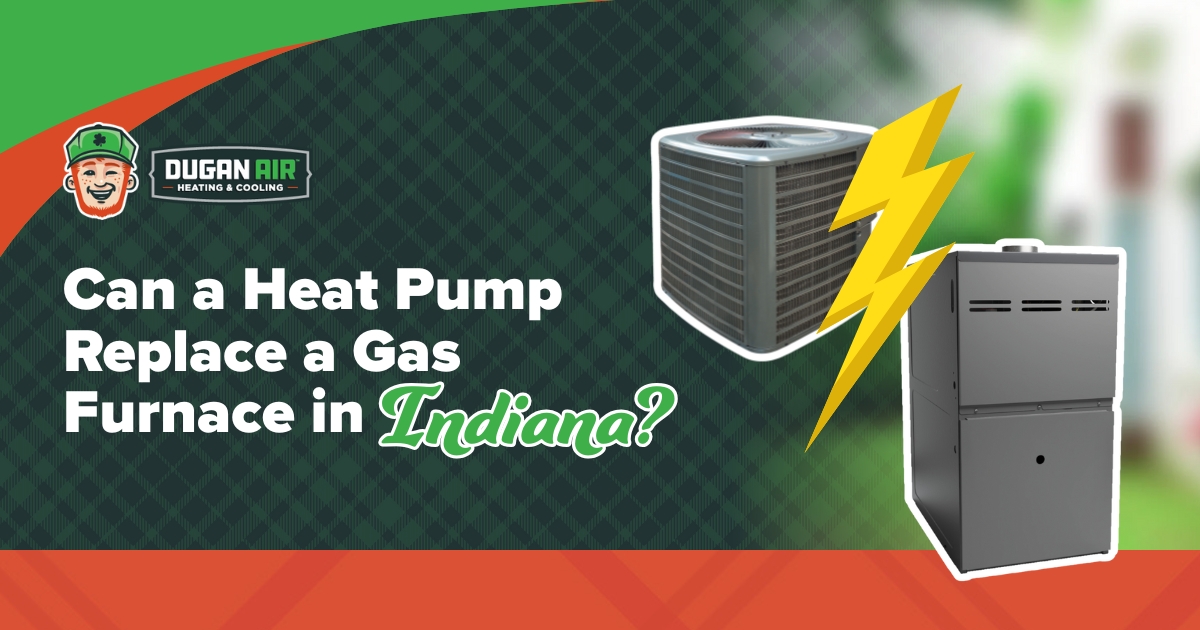
Furnaces burn fuel to create heat. Heat pumps move heat from outside to inside. Furnaces work well in very cold weather. Heat pumps use less energy in mild climates. Indiana winters can be cold. Some heat pumps may need backup heat. Furnaces produce heat quickly. Heat pumps provide steady warmth over time.
Air Conditioners Vs. Heat Pumps
Air conditioners cool your home by removing heat inside. Heat pumps cool and heat by moving heat in both directions. Heat pumps can replace air conditioners. They offer year-round comfort with one system. Air conditioners only cool. Heat pumps save space and equipment cost.
Hybrid Systems Benefits
Hybrid systems combine heat pumps and furnaces. They switch between systems for best efficiency. Heat pumps run in mild weather. Furnaces take over in very cold weather. This saves money on energy bills. Hybrid systems keep homes comfortable all year. They offer flexibility and energy savings.
Credit: www.wfyi.org
Choosing The Right Heat Pump For Your Home
Choosing the right heat pump for your Indiana home can save money and keep your family comfortable. Picking the best unit depends on your house’s needs and the local climate. Understanding a few key points helps make a smart choice.
Assessing Home Insulation
Good insulation keeps warm air inside during winter. It also stops cool air from escaping in summer. Check your walls, attic, and windows for leaks or gaps. Better insulation means your heat pump works less to heat or cool. This lowers energy bills and extends the pump’s life.
Evaluating Heating Needs
Calculate how much heating your home needs each day. Size matters. A heat pump too small won’t warm your house well. Too large will waste energy and cost more. Look at your home’s square footage and the number of rooms. Consider typical winter temperatures in Indiana too.
Consulting With Experts
Talk to local HVAC professionals. They know which heat pumps work best in Indiana’s climate. Experts can measure your home and suggest the right size. They also explain installation costs and maintenance tips. Their advice helps avoid mistakes and ensures comfort year-round.
Frequently Asked Questions
What Is A Heat Pump And How Does It Work?
A heat pump moves heat from outside to inside your home to warm it. It can also cool your home by reversing this process.
Are Heat Pumps Energy Efficient For Indiana Homes?
Yes, heat pumps use less electricity than traditional heaters, saving energy and lowering bills in Indiana’s climate.
Can Heat Pumps Handle Indiana’s Cold Winters?
Modern heat pumps work well even in cold weather, keeping your home warm during Indiana winters.
How Much Does Installing A Heat Pump Cost In Indiana?
Installation costs vary, but typical prices range between $3,000 and $7,000 depending on system size and home needs.
What Maintenance Do Heat Pumps Require In Indiana?
Regular filter cleaning and yearly professional checkups keep heat pumps running efficiently and extend their lifespan.
Conclusion
Heat pumps offer a smart way to heat and cool Indiana homes. They save energy and lower bills. These systems work well in many climates, including Indiana’s. Choosing the right heat pump depends on your home’s size and needs. Regular maintenance keeps the system running smoothly.
Homeowners should weigh costs and benefits carefully. Heat pumps provide comfort year-round without high energy use. Consider them as a practical option for your home’s heating and cooling. Simple, efficient, and reliable—heat pumps fit many Indiana homes.