
Choosing the right air conditioning system for your RV can make all the difference in your comfort on the road. You might be wondering: should you go for a ducted or a non-ducted RV AC?
Both have their own benefits, but which one truly fits your needs? By the end of this article, you’ll know exactly which option keeps your space cool, saves energy, and fits your lifestyle perfectly. Let’s dive in and help you make the best choice for your RV adventures.
Ducted Rv Ac Basics
Ducted RV air conditioning systems offer a sleek way to cool your entire vehicle. These systems use hidden vents and ducts to spread cool air evenly. They differ from non-ducted units that blow air from a single spot. Understanding the basics helps you choose the right AC for your RV.
How Ducted Systems Work
Ducted systems connect to a central AC unit inside the RV. Cool air moves through a network of ducts. These ducts lead to multiple vents placed throughout the RV. Each vent releases cool air to different rooms or areas. This design keeps the entire space evenly cooled.
Common Features
Ducted RV ACs often have quiet operation. They use a thermostat to control temperature. Many models include adjustable vents for airflow control. The system blends into the RV’s ceiling or walls. This creates a clean and tidy look inside.
Installation Requirements
Installing a ducted system needs space for ducts and vents. It may require cutting into walls or ceilings. Proper sealing of ducts is important to prevent air leaks. Professional installation is usually recommended for best results. Planning ahead helps fit the system neatly into your RV.
Non Ducted Rv Ac Essentials
Non ducted RV air conditioners are popular for many RV owners. They offer a simple and effective way to cool your space. These units do not use a system of ducts. Instead, they blow air directly into the living area.
This design affects how they work and where you place them. Understanding these essentials helps you choose the right option for your RV.
Operation And Design
Non ducted RV AC units use a fan to push cool air straight into the room. They have fewer parts than ducted systems. This makes them easier to maintain and repair. The design focuses on direct airflow. The unit usually sits on the roof or wall. It pulls warm air out and pushes cool air in.
Key Benefits
Non ducted units are generally smaller and lighter. They use less energy than ducted systems. These ACs cool the space quickly and efficiently. Installation is simpler and often cheaper. They work well in smaller RVs or single-room areas. Noise levels are usually low, making your ride quieter. Easy access to the unit means faster repairs and cleaning.
Placement And Setup
Placing the non ducted AC unit requires careful thought. It should be where air can flow freely without blockages. Roof installations are common to save space inside. Wall-mounted units need a strong support structure. Make sure the unit is sealed well to avoid leaks. Proper setup ensures the unit runs smoothly and cools well. Regular cleaning of filters and vents keeps air quality high.
Cooling Efficiency Comparison
Choosing the right RV air conditioner affects how well your space cools. Cooling efficiency matters a lot. It means how fast and evenly the AC cools the RV inside. Comparing ducted and non-ducted systems helps find the best option for your needs. Let’s explore their cooling efficiency by looking at air distribution, temperature consistency, and energy use.
Air Distribution
Ducted ACs push cool air through vents spread across the RV. This spreads air evenly to all rooms. Non-ducted units blow air from one spot only. This creates hot and cold zones inside the RV. Ducted systems offer better air flow and reach. Non-ducted units work well in small spaces but may leave some areas warm.
Temperature Consistency
Ducted ACs keep the temperature steady throughout the RV. Cool air flows smoothly to every corner. Non-ducted ACs may cause uneven cooling. Some parts stay cooler while others get warmer. This can make the RV less comfortable. Ducted systems give a more balanced and pleasant temperature inside.
Energy Consumption
Ducted ACs use energy to run fans and cool air through ducts. They can be efficient in cooling large spaces. Non-ducted units often use less energy because they cool smaller areas. But they may run longer to reach comfort. Ducted systems can save energy by cooling quickly and evenly.
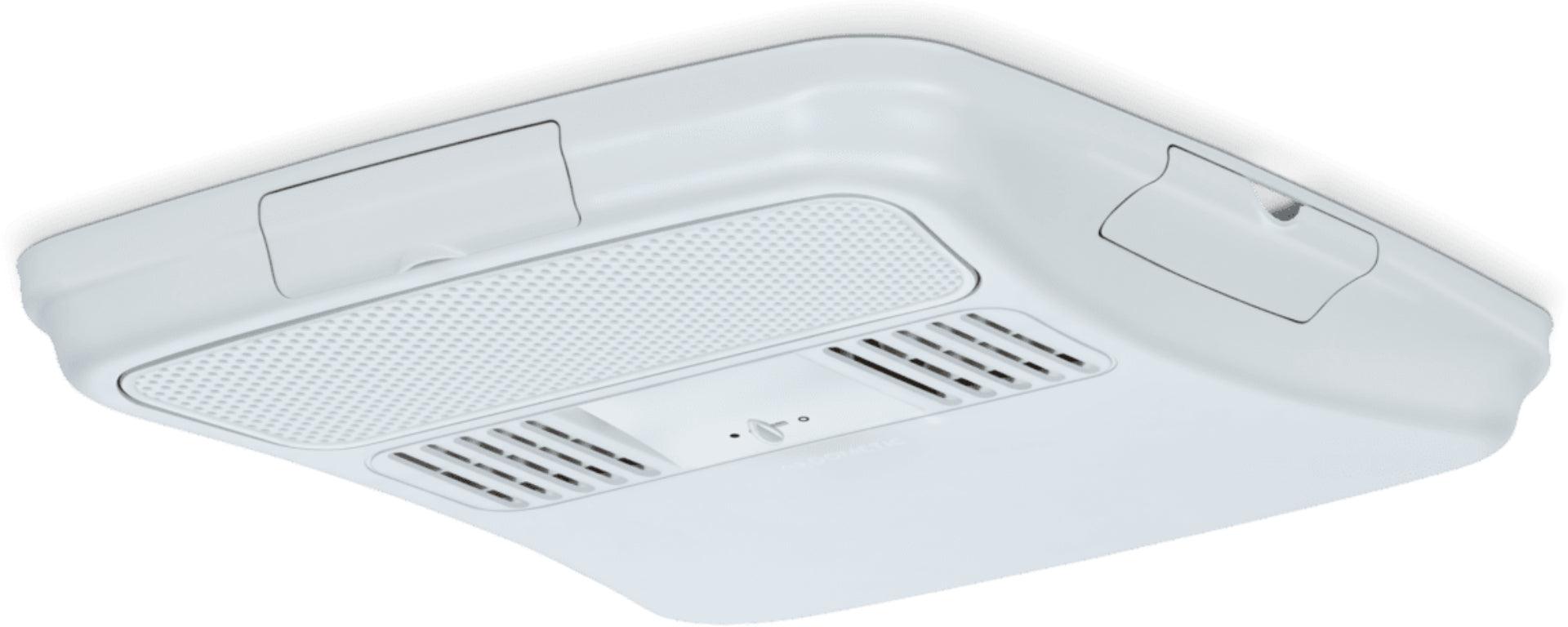
Credit: velitcamping.com
Cost And Maintenance Factors
Cost and maintenance play a big role in choosing between ducted and non-ducted RV AC units. Understanding these factors helps you pick the best system for your needs. Both types have different expenses and care requirements. This section breaks down these details clearly.
Initial Investment
Ducted RV AC systems usually cost more at the start. They need more parts and complex installation. Non-ducted units are simpler and cheaper to buy. The upfront price varies based on size and brand. Budget matters when deciding which system to install.
Upkeep And Repairs
Ducted systems need regular checkups for ducts and vents. Cleaning is important to keep air flow strong. Repairs can be pricier due to complex parts. Non-ducted ACs are easier to fix. They have fewer components and simple design. Maintenance costs tend to be lower for these units.
Longevity
Ducted units often last longer with proper care. Good maintenance prevents common problems and wear. Non-ducted ACs may have a shorter lifespan. They face more exposure to outdoor elements. Choosing durable models extends the life of both types.
Space And Installation Impact
Choosing between ducted and non-ducted RV air conditioners affects your space and installation needs. Each system impacts how your RV is arranged and how much effort it takes to set up. Understanding these differences helps you pick the best option for your RV.
Rv Layout Considerations
Ducted AC systems use vents to spread cool air through different rooms. They need space for ducts in walls or ceilings. This setup suits larger RVs with separate rooms. Non-ducted units cool one area directly. They work well in open layouts or small RVs. Think about how your RV is designed. This guides your choice on AC style.
Installation Complexity
Ducted systems require cutting into walls or ceiling for ducts. This makes installation more complex and time-consuming. Professional help is often needed. Non-ducted AC units are simpler to install. They usually mount on the roof or wall without extra ducts. This saves time and effort. Consider how much work you want for installation.
Weight And Space Usage
Ducted AC systems add weight due to ducts and vents. They also take up more hidden space inside walls. This can reduce storage or living area. Non-ducted units are lighter and more compact. They free up internal space for other uses. Weight matters for fuel efficiency and driving safety. Choose the system that fits your space and weight limits.
Noise And Comfort Levels
Noise and comfort levels are key factors in choosing an RV air conditioner. The right AC keeps your space cool without loud sounds. Comfort depends on how air flows and feels inside the RV. Understanding these points helps you pick the best option for your needs.
Sound Output
Ducted RV AC units usually run quieter. The compressor and fan are often placed away from living spaces. This reduces noise inside the RV. Non-ducted units have the compressor and fan in one place. This can cause louder sounds near you. Noise affects sleep and relaxation, so it matters a lot.
Airflow Control
Ducted systems spread air through vents in many rooms. This creates even cooling throughout the RV. You can control airflow better with multiple vents. Non-ducted units blow air from a single spot. This may cause uneven cooling. Some areas get too cold, others stay warm. Good airflow control improves comfort for everyone.
User Experience
Quiet operation and smooth airflow make ducted ACs more pleasant. The cool air feels natural and balanced. Non-ducted ACs can feel noisy and blow air directly. This may feel harsh or drafty. Users often find ducted systems more comfortable for long trips. Comfort impacts how much you enjoy your time inside the RV.
Best Use Cases
Choosing the right RV air conditioner depends on your travel style and needs. Both ducted and non ducted AC units have specific situations where they work best. Understanding these helps you stay cool comfortably during your trips.
Ideal Scenarios For Ducted Ac
Ducted AC suits larger RVs with multiple rooms. It spreads cool air evenly through vents. This system keeps the whole RV comfortable without hot spots.
It works well for long trips or full-time RV living. The quiet operation adds comfort during rest. Ducted AC also fits well in RVs with good insulation.
People who want a neat, hidden AC system often pick ducted units. It does not take up wall or window space. This leaves more room for windows and storage.
When To Choose Non Ducted Ac
Non ducted AC is perfect for smaller RVs or campers. It cools a single area quickly and efficiently. This type is easier to install and maintain.
It is a good choice for short trips or occasional use. Non ducted AC units are usually less expensive upfront. They also allow more flexibility in placement.
Travelers who want a simple, portable cooling option prefer non ducted AC. It often includes features like remote control and adjustable fan speeds. This system suits RV owners who want fast, direct cooling.

Credit: furrion.com
Energy Efficiency And Environmental Impact
Energy efficiency and environmental impact are important factors for RV owners. Choosing the right air conditioner affects power use and the environment. Understanding these aspects helps you pick the best option.
Power Usage
Ducted RV AC units use more power to cool the entire RV. They spread air through ducts, which can lead to some energy loss. Non-ducted ACs cool specific areas directly. This method uses less power and saves energy. Lower power use means fewer trips to recharge or refill your battery.
Eco-friendly Options
Many RV AC models now use eco-friendly refrigerants. These reduce harm to the ozone layer. Non-ducted systems often have smaller, more efficient compressors. This means less energy waste. Choosing an AC with a high Energy Efficiency Ratio (EER) helps reduce your carbon footprint. Small choices in your RV AC can help protect the environment.
Popular Brands And Models
Choosing the right RV air conditioner depends on trusted brands and reliable models. Popular brands offer a variety of options for both ducted and non ducted systems. These brands focus on durability, efficiency, and user comfort. Knowing the top choices helps narrow down the best fit for your RV needs.
Top Ducted Ac Choices
One popular brand for ducted RV air conditioners is Coleman-Mach. Their units provide even cooling through vents in multiple areas. The Coleman-Mach 15 is known for quiet operation and strong airflow. Another reliable option is Dometic, famous for easy installation and energy efficiency. The Dometic Brisk II is a favorite for many RV owners. It offers smooth cooling and low power use.
Leading Non Ducted Ac Models
Non ducted AC units are often more compact and simple to install. The Dometic Penguin II stands out with its sleek design and effective cooling. It fits well on RV roofs without extra vents inside. Another top model is the Coleman-Mach 8. This unit is popular for smaller RVs and offers good cooling power. Both brands provide models that balance comfort with energy savings.
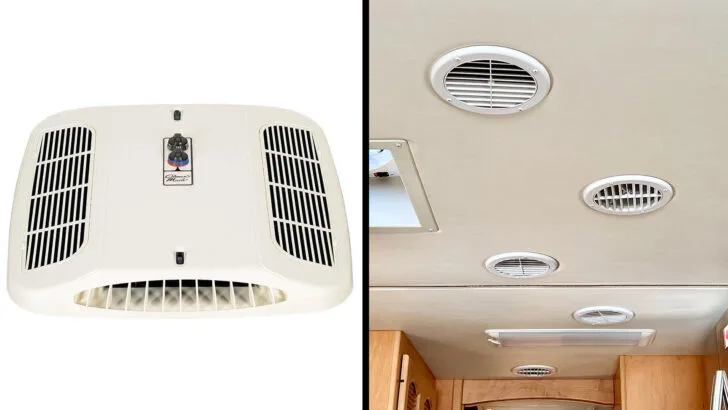
Credit: www.thervgeeks.com
Frequently Asked Questions
What Is The Main Difference Between Ducted And Non-ducted Rv Ac?
Ducted AC cools air through vents, while non-ducted AC blows air directly into the space.
Which Rv Ac Type Is More Energy-efficient?
Ducted RV AC often uses energy better by cooling multiple areas evenly.
Can Non-ducted Rv Ac Cool Large Spaces Effectively?
Non-ducted AC works best in smaller spaces or single zones inside the RV.
How Does Installation Differ Between Ducted And Non-ducted Rv Ac?
Ducted AC needs more complex installation with vents; non-ducted AC is simpler to install.
Which Rv Ac Option Is Easier To Maintain And Clean?
Non-ducted AC units are usually easier to clean and maintain than ducted systems.
Conclusion
Choosing between ducted and non-ducted RV AC depends on your needs. Ducted systems spread cool air evenly throughout the RV. Non-ducted units cool specific areas quickly and are easier to install. Consider space, budget, and how often you use your RV.
Each type has clear benefits. Think about what suits your travel style best. Proper cooling makes your RV trips more comfortable. Stay cool and enjoy your adventures with the right AC choice.