
If you’re a homeowner in South Dakota, you know how important it is to keep your home warm during those long, cold winters—and cool when summer hits. Heat pumps might be the solution you’ve been searching for.
But before you make a decision, there are key things you need to understand about how they work, how they save energy, and whether they’re the right fit for your home. Keep reading to discover what every South Dakota homeowner should know about heat pumps—so you can make the best choice for your comfort and your wallet.
Credit: indianahomecomfortsolutions.com
Heat Pump Basics
Heat pumps are an efficient way to heat and cool your home. South Dakota homeowners often seek energy-saving options. Understanding heat pump basics helps you decide if it suits your house. These systems move heat instead of creating it. They can provide comfort year-round with less energy.
How Heat Pumps Work
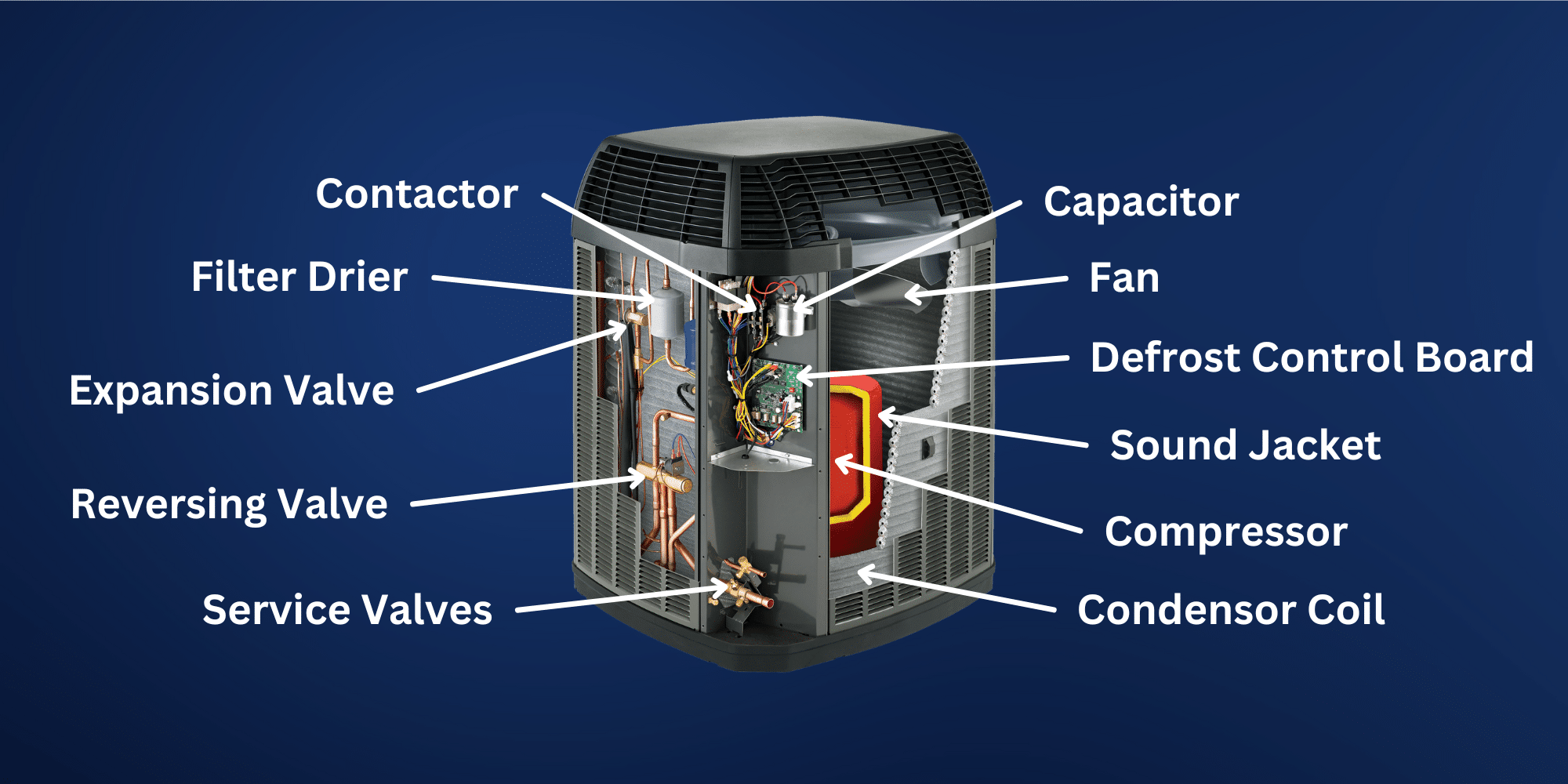
Heat pumps transfer heat from outside to inside during winter. In summer, they move heat from inside to outside. This process uses a refrigerant and a compressor. The system works like an air conditioner but also heats your home. It pulls warmth from the air, even in cold weather.
Types Of Heat Pumps
Air-source heat pumps are common and easy to install. They use outside air to heat or cool your home. Ground-source heat pumps use the earth’s stable temperature. These are more efficient but cost more to install. Both types reduce energy bills and lower carbon footprints.
Heat Pumps Vs Traditional Heating
Traditional systems burn fuel to create heat. Heat pumps move heat instead, using less energy. They work better in mild to moderate cold. Traditional heaters may struggle in very cold temperatures. Heat pumps can also cool your home, unlike many heaters.
Benefits For South Dakota Homes
Heat pumps offer many benefits for South Dakota homes. They provide reliable heating during cold winters. These systems work efficiently even in low temperatures. Homeowners can enjoy a warm home without high energy use. Heat pumps also cool homes in summer, adding year-round comfort.
Choosing a heat pump can improve home comfort and save money. The technology suits South Dakota’s weather well. Below are key benefits that make heat pumps a smart choice for local homeowners.
Energy Efficiency In Cold Climates
Heat pumps use less energy than traditional heaters. They transfer heat instead of creating it. This process saves energy, especially in cold weather. Modern heat pumps work well even below freezing. This efficiency helps South Dakota homes stay warm with less power.
Cost Savings On Utility Bills
Lower energy use means smaller utility bills. Heat pumps reduce heating costs by up to 30%. They also cool homes efficiently in summer. This dual function lowers overall energy expenses. Over time, savings can cover the cost of installing the pump.
Environmental Impact
Heat pumps produce fewer greenhouse gases than gas or oil heaters. They use electricity, which can come from clean sources. This reduces a home’s carbon footprint. Choosing a heat pump supports South Dakota’s environmental goals. It helps protect nature and reduce pollution.
Choosing The Right Heat Pump
Choosing the right heat pump is important for South Dakota homeowners. The right unit keeps your home warm in winter and cool in summer. It saves energy and lowers bills. Picking the right heat pump means thinking about size, features, and brands.
Sizing And Capacity
Size matters for heat pumps. A unit too small will struggle to heat or cool your home. A unit too large wastes energy and costs more. Measure your home’s square footage. Consider insulation and window quality. A professional can help find the correct capacity for your space.
Features To Consider
Look for features that improve comfort and efficiency. Variable speed compressors adjust power to save energy. A smart thermostat allows easy control from your phone. Heat pumps with good defrost cycles work better in cold weather. Quiet operation is important for indoor comfort. Energy Star certification shows the unit meets efficiency standards.
Top Brands For South Dakota
Choose brands known for reliability and support. Trane, Mitsubishi, and Carrier offer models suited for cold climates. These brands provide strong warranties and service networks. Selecting a trusted brand ensures your heat pump lasts longer. Check local dealers for installation and maintenance options.
Credit: www.watkinsheating.com
Installation Insights
Installing a heat pump in South Dakota requires careful planning and knowledge. The process affects how well your system works and lasts. Understanding the key points about installation helps homeowners make smart decisions.
Professional Vs Diy Installation
Choosing between professional and DIY installation matters a lot. Professionals have the tools and skills to set up heat pumps correctly. They follow safety rules and avoid costly mistakes. DIY installation might save money at first. But it risks poor performance and damage. Heat pumps need precise handling to work efficiently. Most homeowners benefit from hiring licensed experts.
Common Installation Challenges
Heat pump installation in South Dakota has some common challenges. Cold winters can affect system setup and testing. Finding the best spot for outdoor units is important. Space limits or obstructions may cause trouble. Electrical wiring must meet specific standards. Incorrect wiring can lead to system failure. Proper insulation and sealing are also crucial. These challenges need attention to keep the system reliable.
Permits And Regulations In South Dakota
Installing a heat pump often requires permits in South Dakota. Local building codes set rules for safety and efficiency. Homeowners must check with city or county offices before starting work. Permits ensure inspections happen at the right stages. Following regulations avoids fines and delays. Licensed installers usually handle permits and paperwork. Staying compliant protects your home and investment.
Maintenance Tips
Heat pumps need regular care to work well in South Dakota homes. Proper maintenance helps save energy and lowers bills. It also extends the life of the system. Follow these simple tips to keep your heat pump in good shape all year.
Regular Cleaning And Inspections
Clean the air filters every month during heavy use. Dirty filters block air and reduce efficiency. Wipe down the outdoor unit to remove leaves and dirt. Check for any ice buildup in winter. Inspect the system for loose parts or damage. These checks help your heat pump run smoothly.
Troubleshooting Common Issues
Listen for unusual noises like rattling or buzzing. Check if your home feels too cold or warm. Look for water leaks near the indoor unit. Reset the thermostat if the system stops working. Simple fixes can solve many small problems quickly.
When To Call A Professional
Call a technician if the heat pump makes loud noises. If the unit won’t start or stops often, get help. Refrigerant leaks or electrical issues need expert care. Schedule yearly professional inspections to keep the system efficient. Experts catch problems early and improve your heat pump’s performance.
Incentives And Rebates
Heat pumps offer an energy-efficient way to heat and cool homes in South Dakota. The upfront cost can be high, but various incentives and rebates help reduce this expense. These programs make heat pumps more affordable and encourage homeowners to choose cleaner energy options. Understanding these offers helps you save money and make a smart investment.
South Dakota State Programs
South Dakota provides programs to support energy-saving home upgrades. Some state initiatives offer rebates for installing heat pumps. These rebates lower the purchase price and installation costs. Check with the South Dakota Energy Office for the latest programs. Applying early can increase your chances of receiving benefits.
Federal Tax Credits
The federal government offers tax credits for energy-efficient home improvements. Heat pumps qualify under these credits, helping reduce your tax bill. You can claim a percentage of the purchase and installation costs. Keep all receipts and paperwork to file correctly. These credits apply to both new and replacement heat pumps.
Utility Company Offers
Many utility companies in South Dakota provide rebates or discounts. These offers encourage customers to use less energy and lower bills. Rebates may vary by company and location. Contact your utility provider to learn about current promotions. Combining utility rebates with state and federal incentives can boost your savings.

Credit: www.kalinsindoor.com
Frequently Asked Questions
What Is A Heat Pump And How Does It Work?
A heat pump moves heat from outside to inside your home for warmth, and reverses to cool in summer.
Are Heat Pumps Efficient For South Dakota Winters?
Yes, modern heat pumps work well even in cold South Dakota winters, saving energy and money.
How Much Can I Save On Energy With A Heat Pump?
Heat pumps use less electricity than traditional heaters, lowering your monthly energy bills noticeably.
Can A Heat Pump Replace My Existing Heating System?
A heat pump can often replace or work with your current system, providing heating and cooling.
What Maintenance Do Heat Pumps Need In South Dakota?
Regular filter cleaning and annual professional check-ups keep heat pumps running smoothly and efficiently.
Conclusion
Heat pumps offer South Dakota homeowners a smart way to heat and cool homes. They use less energy than many traditional systems. This means lower bills and less impact on the environment. Choosing the right heat pump depends on your home’s size and needs.
Proper installation and regular maintenance keep it running well. Consider this option to stay comfortable all year round. It’s a practical choice for saving money and energy.