
If you’re a homeowner in Montana, you know how important it is to keep your home warm during those long, cold winters. But have you ever wondered if there’s a smarter, more energy-efficient way to heat your home?
Heat pumps might be the answer you’ve been looking for. They can save you money, reduce your energy use, and keep your home comfortable year-round. You’ll discover everything you need to know about heat pumps—how they work, their benefits, and what to consider before making the switch.
Keep reading to find out if a heat pump is the right choice for your Montana home.
Heat Pump Basics
Heat pumps offer an efficient way to heat and cool homes in Montana. They work by moving heat instead of creating it. This method uses less energy and can save money on utility bills. Understanding the basics helps homeowners decide if a heat pump fits their needs. Here is a simple guide to how heat pumps work and the types available.
How Heat Pumps Work
Heat pumps move heat from one place to another. In winter, they pull heat from outside air and bring it inside. Even cold air contains some heat. The pump uses a special fluid to absorb this heat. Then, it releases the heat into your home. In summer, the process reverses. The pump takes heat from inside your home and moves it outside. This cools your living space. This cycle uses less electricity than traditional heaters or air conditioners.
Types Of Heat Pumps
There are different heat pumps for different needs. Air-source heat pumps are the most common. They use the outdoor air for heat exchange. Ground-source heat pumps, also called geothermal, use the earth’s steady temperature. They are very efficient but cost more to install. Water-source heat pumps use nearby water sources like lakes or wells. The right type depends on your home’s location and climate. Montana homeowners often choose air-source heat pumps for their balance of cost and efficiency.
Benefits For Montana Homes
Montana homes face unique weather challenges. Heat pumps offer practical benefits for these conditions. They work well in both cold winters and warm summers. Many homeowners find heat pumps a smart choice for comfort and savings.
Energy Efficiency
Heat pumps use less energy than traditional heating systems. They move heat instead of creating it. This process uses less electricity, lowering energy waste. Montana’s cold climate benefits from modern heat pump technology designed for low temperatures. Efficient heating means less strain on power sources and smaller utility bills.
Cost Savings
Heat pumps reduce monthly heating and cooling costs. They require less fuel compared to furnaces or electric heaters. Installation costs are often offset by long-term savings. Some Montana homes may qualify for rebates or incentives. Lower energy use means more money stays in homeowners’ pockets each year.
Year-round Comfort
Heat pumps provide both heating and cooling in one system. This makes them useful all year in Montana. Warm air in winter, cool air in summer. They maintain steady indoor temperatures with less noise. Homeowners enjoy a comfortable living space regardless of season or outside weather.
Climate Considerations
Montana’s cold climate affects how heat pumps work. Homeowners must consider the weather before choosing a heat pump. The system needs to keep homes warm even in freezing temperatures. Understanding climate impact helps in picking the right heat pump for your home.
Performance In Cold Weather
Heat pumps pull heat from outside air to warm your home. Cold weather can reduce their efficiency. Some models work well in temperatures below freezing. Others struggle and need backup heating sources. Choose heat pumps designed for cold climates. This ensures reliable warmth all winter long.
Choosing The Right Model
Not all heat pumps suit Montana’s weather. Look for models labeled as “cold climate heat pumps.” These have special features to operate in low temperatures. Check the heat pump’s heating capacity at 5°F or lower. A good model saves energy and keeps your home cozy. Consult with local experts to find the best fit.
Credit: www.centralmt.com
Installation Insights
Installing a heat pump in Montana requires careful planning and expert help. Proper installation ensures the system works efficiently and lasts long. Understanding the installation process helps homeowners make informed choices.
Choosing the right installer and knowing the costs and time involved are key steps. These factors affect your comfort and budget.
Finding Qualified Installers
Choose installers with experience in heat pumps. Ask for certifications and customer reviews. Skilled installers know Montana’s climate needs and local rules. They ensure the system fits your home perfectly. Poor installation can cause problems and waste energy.
Installation Costs And Time
Costs vary by system size and home layout. Expect higher prices for complex setups. Installation usually takes one to three days. Some homes may need extra work, like duct changes or electrical updates. Budget for these to avoid surprises. Quick, proper installation saves money and improves comfort.
Maintenance Tips
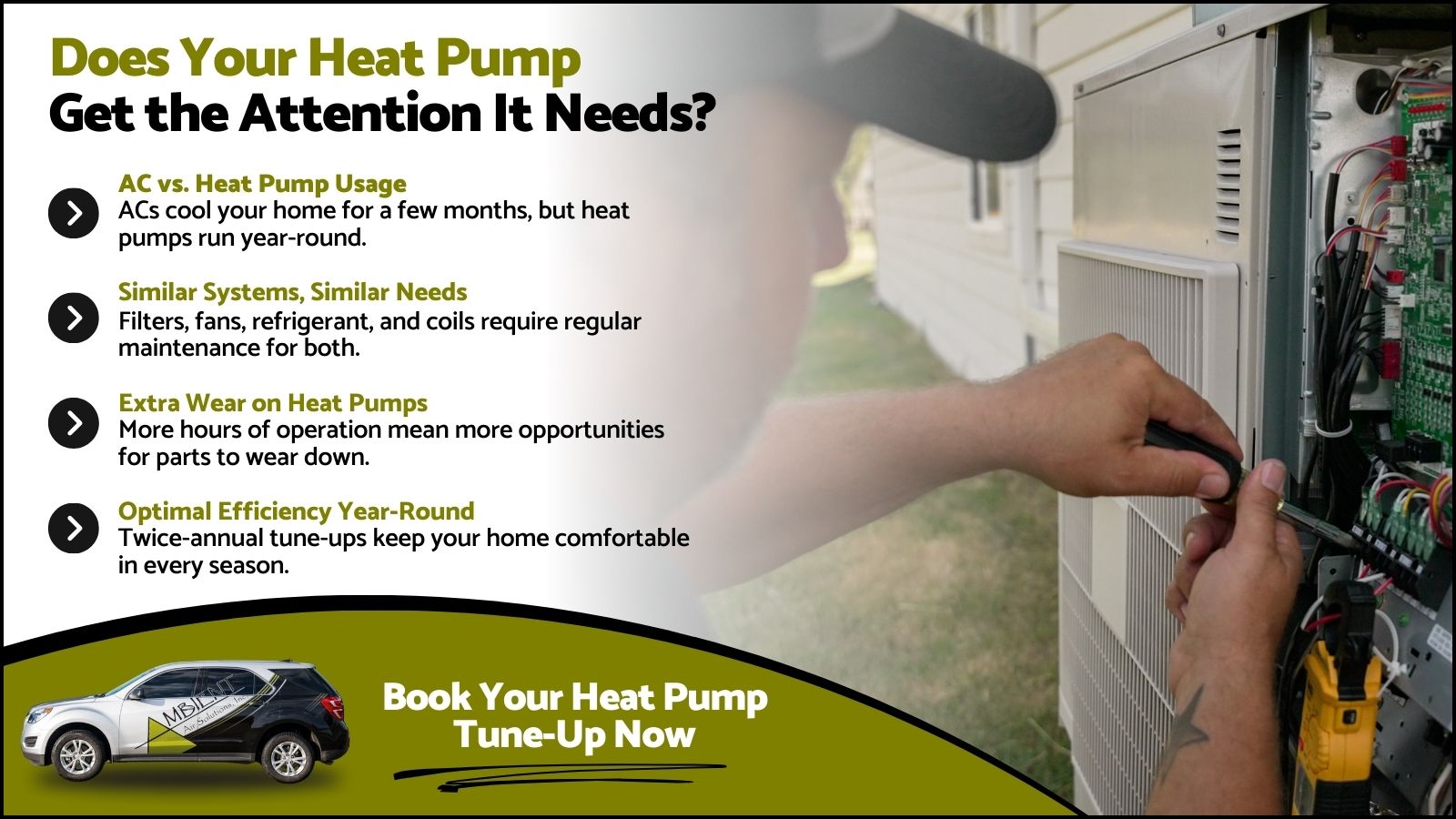
Maintaining a heat pump in Montana is key to its lasting performance. Regular care helps keep your home warm in winter and cool in summer. Small efforts prevent costly repairs and improve energy efficiency. Here are some essential maintenance tips for heat pumps.
Regular Upkeep
Clean or replace air filters every 1 to 3 months. Dirty filters reduce airflow and make the system work harder. Check outdoor units for leaves, dirt, or snow buildup. Clear debris to ensure proper airflow around the unit. Inspect the coils and fins for dirt and damage. Gently clean coils with a soft brush or hose. Keep the thermostat settings consistent to avoid overworking the pump. Schedule professional inspections at least once a year. This helps spot issues before they grow.
Common Issues To Watch For
Listen for strange noises like rattling or buzzing. These sounds often signal loose parts or motor problems. Watch for uneven heating or cooling in rooms. This may indicate airflow problems or refrigerant leaks. Notice if the unit runs continuously without stopping. It could mean a thermostat or control issue. Ice buildup on the outdoor unit is a warning sign. It often points to low refrigerant or airflow problems. Address these issues quickly to avoid bigger damage.
Incentives And Rebates
Heat pumps are a smart choice for Montana homeowners. They save energy and reduce bills. Costs might seem high at first. Incentives and rebates can help lower these expenses. Many programs support heat pump installation. Knowing about these can make the process easier and affordable.
State And Federal Programs
Montana offers several programs for heat pump buyers. The Montana Department of Environmental Quality sometimes provides rebates. These help cover part of the purchase cost. The federal government also offers tax credits. These credits reduce your tax bill after installation. Programs change often. Checking current offers before buying is wise.
How To Apply
Applying for incentives usually requires proof of purchase. Keep all receipts and installation documents. Some programs need pre-approval before installation. Others accept applications after you install the heat pump. Visit program websites for detailed steps. Follow instructions carefully to avoid delays. Submitting the right forms ensures faster approval.
Comparing Alternatives
Choosing the right heating and cooling system is important for Montana homeowners. Heat pumps offer a modern option. Comparing them with traditional HVAC systems helps make a smart choice. This section looks at key differences and benefits of each.
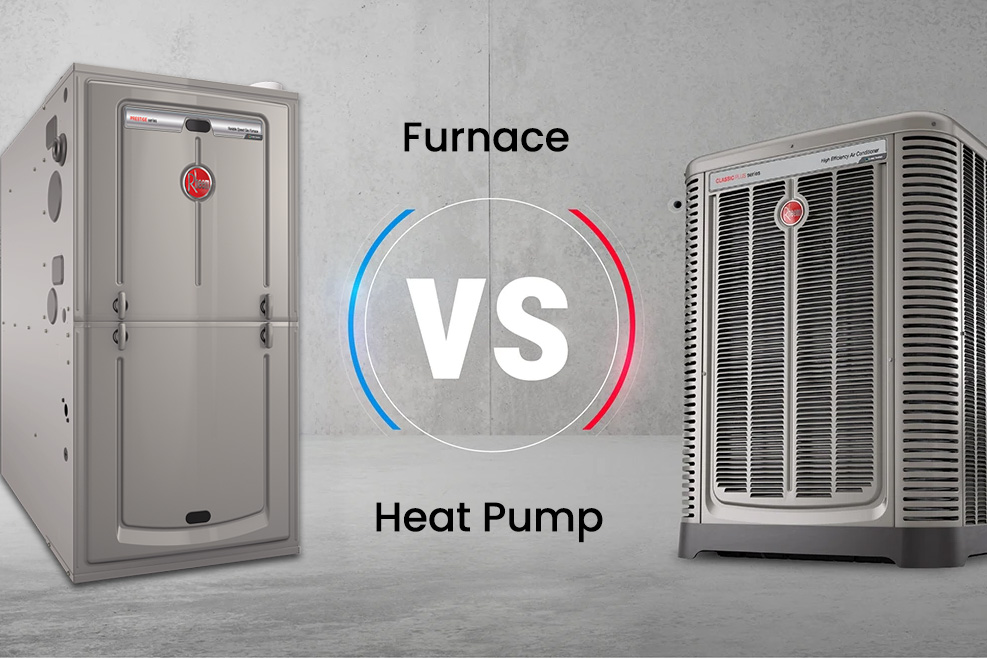
Heat Pumps Vs. Traditional Hvac
Heat pumps move heat instead of creating it. They pull heat from outside air, even in cold weather. Traditional HVAC systems burn fuel or use electric resistance to create heat. This process often uses more energy.
Heat pumps can both heat and cool a home. Traditional systems usually require separate units for heating and cooling. Heat pumps save space and can lower energy bills.
In Montana’s cold climate, some heat pumps struggle in extreme cold. Traditional furnaces perform well in very low temperatures. Many modern heat pumps now work efficiently even in cold winters.
Pros And Cons
Heat pumps have lower operating costs and use less energy. They reduce greenhouse gas emissions. Installation may cost more upfront than traditional HVAC.
Traditional HVAC systems have lower initial costs. They provide reliable heat in very cold weather. Their energy use is generally higher, raising monthly bills.
Heat pumps require less maintenance than traditional systems. Furnace and air conditioner parts need more frequent service. Choosing depends on your budget, climate, and home needs.

Credit: 1stchoicemechanicalaz.com
Credit: www.ambientairsolutions.com
Frequently Asked Questions
What Is A Heat Pump And How Does It Work In Montana?
A heat pump moves heat from outside to inside your home, providing warmth efficiently.
Are Heat Pumps Effective In Montana’s Cold Winters?
Yes, modern heat pumps work well even in cold Montana winters with proper installation.
How Much Can Montana Homeowners Save With Heat Pumps?
Heat pumps can reduce heating costs by 30% to 50% compared to traditional systems.
What Maintenance Do Heat Pumps Need In Montana?
Regular filter cleaning and annual check-ups keep heat pumps running smoothly in Montana.
Can Heat Pumps Provide Both Heating And Cooling In Montana Homes?
Yes, heat pumps offer year-round comfort by heating in winter and cooling in summer.
Conclusion
Heat pumps offer an efficient way to heat and cool Montana homes. They save energy and lower utility bills over time. Choosing the right system depends on your home’s size and insulation. Regular maintenance keeps the heat pump working well through all seasons.
Understanding these basics helps you make smart decisions for comfort. Stay warm in winter and cool in summer with the right heat pump. Simple steps lead to a cozy, energy-wise home all year round.