
If you’re a homeowner in Maryland, you’ve probably noticed how unpredictable the weather can be. Keeping your home comfortable all year round is a challenge.
That’s where heat pumps come in. But before you decide to install one, there are some important things you should know. Understanding how heat pumps work and how they fit into Maryland’s climate can save you money and stress. Keep reading, because what you learn here could change the way you heat and cool your home—and make your next energy bill a lot friendlier.
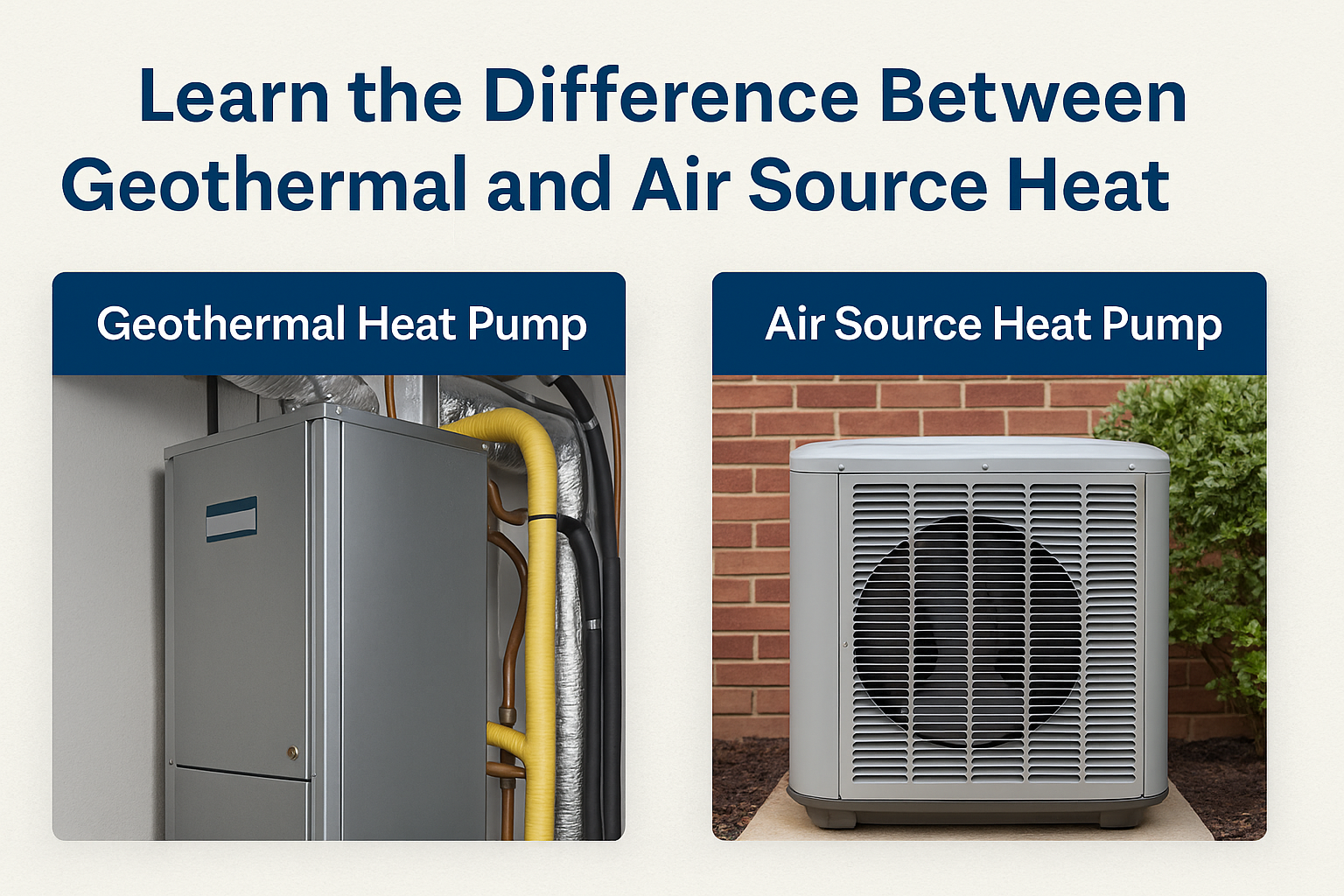
Credit: www.unitedairtemp.com
Heat Pump Basics
Heat pumps are a popular choice for many Maryland homeowners. They provide both heating and cooling in one system. Understanding the basics helps you decide if a heat pump fits your home. This section explains how heat pumps work, the different types, and how they compare to traditional HVAC systems.
How Heat Pumps Work
Heat pumps move heat from one place to another. In winter, they pull heat from outside air and bring it inside. In summer, they reverse the process to cool your home. This makes them energy efficient. Heat pumps use electricity but can save money on heating bills.
Types Of Heat Pumps
There are three main types of heat pumps. Air-source heat pumps are most common. They exchange heat with the outside air. Ground-source heat pumps use the earth’s stable temperature. Water-source heat pumps pull heat from a nearby water source. Each type suits different homes and climates.
Heat Pumps Vs Traditional Hvac
Traditional HVAC systems use separate units for heating and cooling. Heat pumps combine both functions in one system. They use less energy in moderate climates like Maryland. Heat pumps also provide consistent temperatures. Traditional systems may work better in extreme cold but cost more to run.
Benefits For Maryland Homes
Heat pumps offer many benefits for Maryland homes. They work well in the state’s changing weather. Heat pumps can heat your home in winter and cool it in summer. This makes them a smart choice for comfort all year.
Energy Efficiency
Heat pumps use less electricity than traditional heaters. They move heat instead of making it. This process saves energy and reduces power bills. Maryland homeowners can enjoy efficient heating and cooling. This helps lower the home’s overall energy use.
Cost Savings
Installing a heat pump lowers monthly utility bills. It uses less fuel and electricity. Maryland has programs that offer rebates for heat pumps. These incentives reduce the initial cost. Over time, savings on energy add up. Homeowners spend less on heating and cooling.
Environmental Impact
Heat pumps produce fewer greenhouse gases than gas or oil systems. They help reduce air pollution in Maryland. Using a heat pump supports cleaner energy use. This choice helps protect the environment. It also promotes a healthier community for everyone.
Climate Considerations In Maryland
Maryland’s climate varies throughout the year, affecting how heat pumps work. Winters can be cold and summers often bring high humidity. These changes influence heat pump performance and usage. Understanding these factors helps homeowners choose the right system and maintain comfort all year.
Performance In Cold Weather
Heat pumps work by moving heat from outside to inside. Cold Maryland winters can reduce their efficiency. Most modern heat pumps still provide warmth in freezing temperatures. Some models have backup heating for very cold days. Proper installation and maintenance improve performance in cold weather.
Handling Humidity
Maryland summers are often hot and humid. Heat pumps also remove moisture from indoor air. This helps keep homes comfortable and prevents mold. Choosing a heat pump with good dehumidifying features is important. It keeps the indoor air fresh during sticky months.
Seasonal Usage Patterns
Heat pumps serve both heating and cooling needs in Maryland. They run more in winter and summer. Spring and fall require less use, sometimes only for mild heating or cooling. Understanding seasonal demand helps plan energy use and costs. Regular system checks ensure smooth operation through all seasons.
Installation Tips
Installing a heat pump in your Maryland home needs careful planning. Proper installation improves efficiency and comfort. Small mistakes can cause big problems later. Follow these simple tips to ensure your heat pump works well and lasts long.
Choosing The Right Size
Pick a heat pump that fits your home’s size. Too small means it struggles to heat or cool. Too big wastes energy and money. Use a professional to calculate the correct size. This helps keep your energy bills low and your home cozy.
Professional Installation Importance
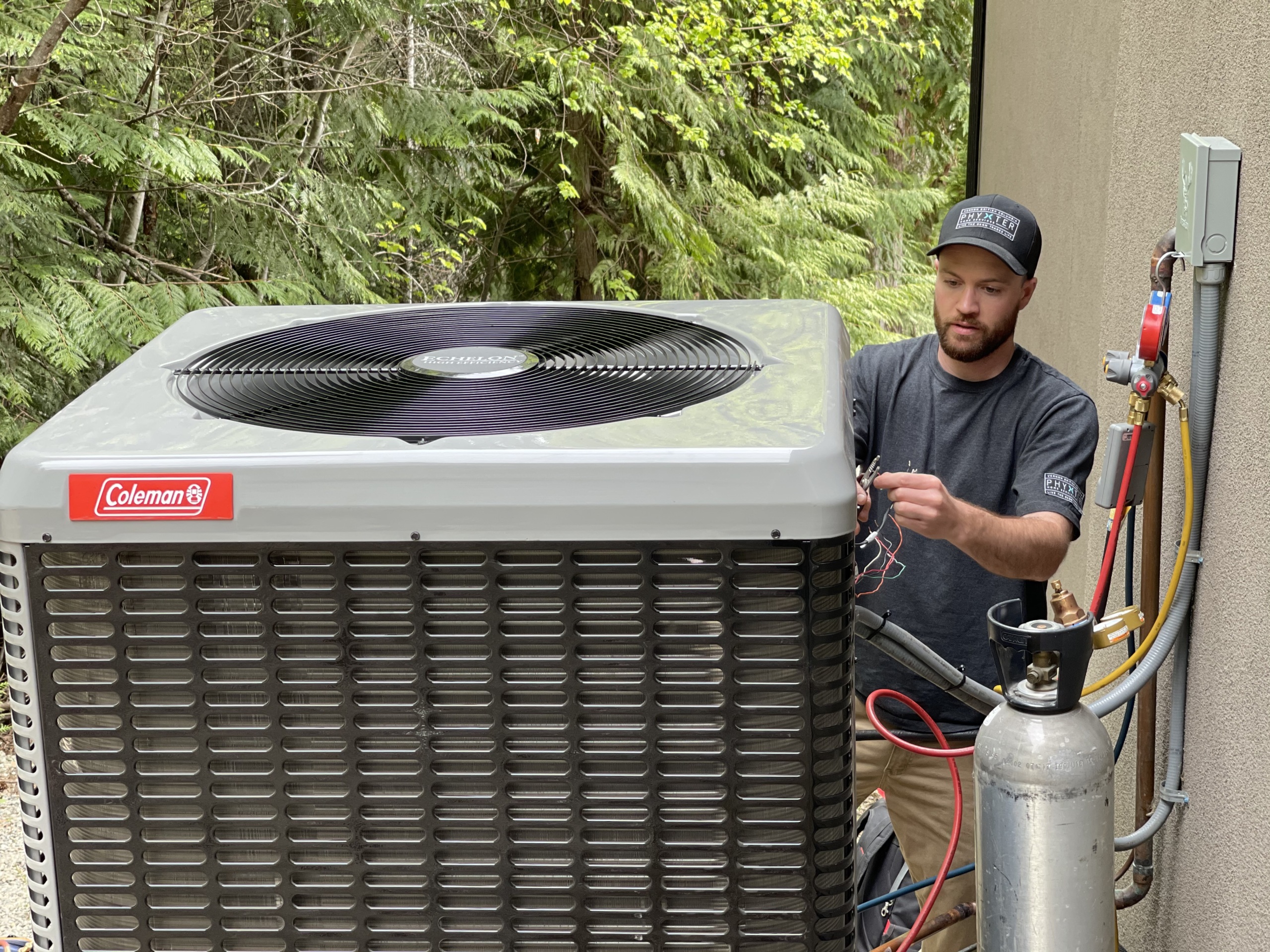
Hire a licensed expert for installation. They know how to handle equipment safely and correctly. Poor installation can lead to leaks and breakdowns. Professionals also ensure your heat pump meets local codes. This protects your investment and your home.
Placement And Setup
Place the outdoor unit where airflow is clear and free. Avoid spots near trees, walls, or debris. Good placement helps the heat pump work efficiently. Inside, install the unit away from direct sunlight and heat sources. Proper setup keeps your system running smoothly year-round.
Maintenance And Troubleshooting
Heat pumps need regular care to work well and last long. Understanding maintenance and troubleshooting helps Maryland homeowners avoid costly repairs. Small problems can turn big if ignored. Simple checks keep your system efficient and comfortable all year.
Regular Maintenance Tasks
Clean or replace air filters every one to three months. Check outdoor units for leaves and dirt. Clear debris around the pump to allow good airflow. Inspect the system for ice buildup during winter. Keep vents and ducts clean. Check thermostat settings regularly. Schedule a professional inspection at least once a year.
Common Issues And Fixes
Heat pump not heating or cooling properly? Check the thermostat batteries first. Dirty filters can reduce airflow and cause issues. Ice on the outdoor unit means poor airflow or low refrigerant. Strange noises may come from loose parts or debris. Warm air in winter might indicate a defrost problem. Resetting the system can fix minor glitches.
When To Call A Technician
Call a professional if the heat pump stops working completely. Strange smells or burning odors need immediate attention. If the system cycles on and off too often, it needs service. Low refrigerant levels require certified handling. Electrical problems or frequent tripping breakers must be checked. Regular expert inspections prevent bigger problems.

Credit: www.achrnews.com
Costs And Incentives
Understanding the costs and incentives of heat pumps helps Maryland homeowners make smart choices. Heat pumps cost more upfront but save money later. State programs offer rebates and tax credits to reduce expenses. This section breaks down these financial points clearly.
Initial Investment
Heat pumps have a higher initial cost than traditional systems. Installation and equipment can be pricey. Prices vary based on home size and system type. Planning for this upfront cost is important for budgeting.
Energy Savings Over Time
Heat pumps use electricity efficiently to heat and cool homes. They reduce monthly energy bills significantly. Savings add up over the years, offsetting the initial cost. This makes heat pumps a smart long-term choice.
Maryland Rebates And Tax Credits
Maryland offers rebates to encourage heat pump installation. Programs reduce the price by giving back part of the cost. Homeowners may also qualify for federal tax credits. These incentives lower the financial burden of upgrading.
Upgrading Or Replacing Your System
Upgrading or replacing your heat pump can improve your home’s comfort and lower energy bills. Heat pumps work hard in Maryland’s changing seasons. Over time, they lose efficiency or stop working well. Knowing when and how to update your system helps you avoid big problems later.
Signs You Need A New Heat Pump
Watch for these signs. Your heat pump runs constantly but does not heat or cool well. Strange noises or smells come from the unit. Energy bills rise without a reason. The system breaks down often. Your heat pump is over 10 years old. These are good reasons to consider a replacement.
Comparing Models
Not all heat pumps are the same. Some use less electricity. Others work better in cold weather. Look for models with high Seasonal Energy Efficiency Ratio (SEER) ratings. Check if the system fits your home size. Consider features like quiet operation and easy controls. Pick a model that meets your needs and budget.
Financing Options
New heat pumps cost money upfront. Many programs help spread the cost over time. Check for local rebates or state incentives in Maryland. Some companies offer low-interest loans or payment plans. Compare financing options to find what suits you best. This makes upgrading easier and affordable.
Credit: environmentamerica.org
Frequently Asked Questions
What Is A Heat Pump And How Does It Work?
A heat pump moves heat from outside to inside your home for warmth. In summer, it cools by moving heat out.
Are Heat Pumps Efficient For Maryland’s Climate?
Yes, heat pumps work well in Maryland’s mild winters and hot summers, saving energy and money.
How Much Can Homeowners Save With Heat Pumps?
Heat pumps can cut heating and cooling costs by 30% to 50% compared to traditional systems.
What Maintenance Do Heat Pumps Need In Maryland?
Regular filter changes and annual check-ups keep heat pumps running smoothly and extend their life.
Can A Heat Pump Replace A Furnace Or Air Conditioner?
Yes, heat pumps provide both heating and cooling, often replacing separate furnace and AC units.
Conclusion
Heat pumps offer Maryland homeowners efficient heating and cooling. They save energy and lower utility bills. Choosing the right heat pump depends on your home’s needs. Regular maintenance keeps the system working well. Understanding local climate helps in making smart decisions.
Investing in a heat pump supports comfort year-round. It’s a practical choice for many Maryland homes. Consider your options carefully before making a purchase. With proper care, heat pumps provide lasting benefits. Stay informed to get the most from your system.