
If you’re a homeowner in Illinois, you know how important it is to keep your home comfortable all year round. Heat pumps are becoming a popular choice for heating and cooling, but do you really know how they work and if they’re right for your home?
Understanding the key facts about heat pumps can help you save money, increase comfort, and make smarter energy choices. Keep reading to discover what you need to know before making a decision that affects your home and your wallet.

Credit: www.alwaysreadyrepair.com
Heat Pump Basics
Heat pumps are an energy-efficient way to heat and cool homes in Illinois. They work by moving heat instead of creating it. This method saves energy and reduces utility bills. Understanding the basics helps homeowners choose the right system.
Heat pumps work well in many climates, including Illinois. They provide warmth in winter and cooling in summer. Knowing how they operate and the types available can guide better decisions.
How Heat Pumps Work
Heat pumps transfer heat from one place to another. In winter, they pull heat from outside air and move it inside. In summer, they reverse the process to cool your home. This cycle runs on electricity and uses less energy than traditional heaters.
They contain a compressor, a condenser, and an evaporator. These parts work together to move heat efficiently. Even when it is cold outside, heat pumps can extract heat from the air.
Types Of Heat Pumps
There are three main types of heat pumps. Air-source heat pumps pull heat from the outdoor air. They are the most common and affordable option.
Ground-source or geothermal heat pumps use the earth’s stable temperature. They are more efficient but cost more to install. Water-source heat pumps use nearby water bodies to exchange heat. These are less common but work well in some areas.
Credit: environmentamerica.org
Benefits For Illinois Homes
Heat pumps offer many advantages for homes in Illinois. They work well in both cold winters and warm summers. Homeowners can enjoy steady indoor temperatures all year. Heat pumps also help lower energy use, saving money on bills.
These systems provide a smart way to heat and cool homes. They use less electricity than traditional heaters. This makes them a good choice for Illinois families wanting comfort and savings.
Energy Efficiency In Cold Climates
Modern heat pumps are designed to work in cold weather. They pull heat from outside air, even when it is cold. This method uses less energy than electric heaters or furnaces.
Heat pumps keep homes warm without extra fuel. They reduce the demand on power plants during winter. Illinois homes benefit from this efficient heating method.
Cost Savings Over Time
Heat pumps save money on energy bills over time. They use less electricity than many heating systems. This means lower monthly costs for homeowners.
Initial installation might cost more, but savings add up. Less energy use means smaller utility bills each month. Many Illinois residents see quick returns on their investment.
Environmental Impact
Heat pumps lower greenhouse gas emissions by using electricity efficiently. They do not burn fossil fuels inside the home. This reduces air pollution and carbon footprint.
Choosing a heat pump supports cleaner air in Illinois. It helps protect the environment for future generations. This makes it a responsible choice for homeowners.
Choosing The Right Heat Pump
Choosing the right heat pump is key for comfort and energy savings in Illinois homes. It affects how well your home stays warm in winter and cool in summer. Picking the right unit means thinking about your home’s size, features you need, and which brand suits your needs best.
Sizing And Capacity
Heat pumps must match your home’s size. Too small, and the pump will struggle to heat or cool. Too large, and it wastes energy. A professional can calculate the right capacity for your space. Proper sizing ensures steady temperatures and lower bills.
Features To Consider
Look at features that improve comfort and efficiency. Variable speed compressors adjust power to save energy. A heat pump with a good defrost cycle works better in cold Illinois winters. Noise levels matter too. Choose a quiet model to keep your home peaceful.
Comparing Brands And Models
Different brands offer various benefits and prices. Check reviews for reliability and customer service. Some brands provide better warranties or energy-efficient models. Compare features side by side to find the best fit for your budget and needs.
Installation Insights
Installing a heat pump in Illinois requires careful planning. Understanding the installation process helps homeowners avoid common problems. This section covers key points about installation to make the experience smoother.
Finding Qualified Installers
Choose installers with experience in heat pumps. Check their licenses and certifications. Ask for references from past customers. Local knowledge matters for Illinois weather conditions. Skilled installers ensure the system works well and lasts longer.
Installation Process
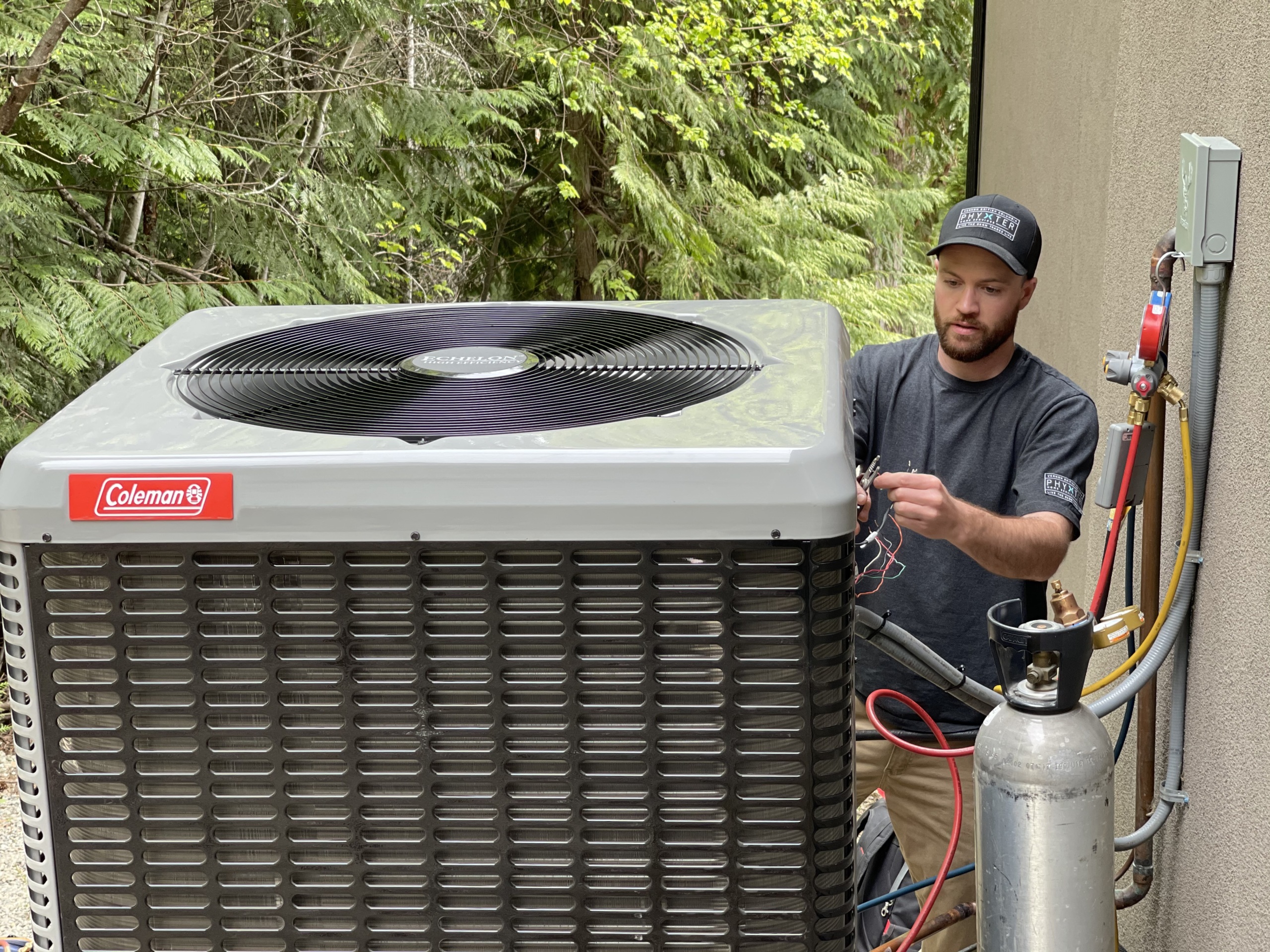
Installation starts with a site inspection. Technicians measure your home’s size and insulation. They select the right heat pump capacity. Next, they place the outdoor and indoor units. Electrical and refrigerant connections follow. The team tests the system thoroughly before finishing.
Common Installation Challenges
Tight spaces can limit unit placement options. Older homes may need electrical upgrades. Poor insulation affects heat pump efficiency. Weather delays sometimes slow down installation. Choosing the wrong size unit causes problems later. A good installer will manage these issues well.
Maintenance And Troubleshooting
Heat pumps need care to work well all year. Proper maintenance keeps them efficient and helps avoid costly repairs. Knowing how to spot problems early saves time and money. This section covers easy maintenance tips, common trouble signs, and advice on when to get help.
Routine Maintenance Tips
Clean or replace air filters every month. Dirty filters block airflow and reduce efficiency. Keep the outdoor unit clear of leaves and debris. Check the fan and coils for dirt. Clean them gently with a soft brush or cloth. Ensure the thermostat works correctly. Test it regularly for accurate temperature control. Schedule professional inspections once a year. Experts check refrigerant levels and electrical parts. Regular care extends your heat pump’s life and cuts energy bills.
Signs Of Problems
Watch for strange noises like banging or rattling. These can signal loose parts or motor trouble. Notice if your home feels too cold or hot. Uneven temperatures may mean the system is failing. Higher energy bills could mean the heat pump runs harder than usual. Look for water leaks near the unit. Leaks may indicate drainage or refrigerant issues. If the unit cycles on and off too often, it might be faulty. Early detection helps prevent bigger damage.
When To Call A Professional
Contact a technician if the unit fails to heat or cool. Strange sounds or smells also need expert attention. Avoid fixing electrical parts yourself to prevent injury. Call for help if you see ice buildup on coils. Professionals can safely check refrigerant and mechanical parts. Regular professional checks improve safety and performance. Don’t wait if your heat pump shows serious signs of trouble. Quick action keeps your home comfortable and saves money.

Credit: thefurnaceoutlet.com
Financial Incentives And Rebates
Installing a heat pump can lower energy bills and improve home comfort. Financial incentives and rebates make this upgrade more affordable for Illinois homeowners. These programs help reduce upfront costs and encourage energy-efficient choices.
Understanding available incentives helps you save money on your heat pump purchase and installation. Various programs exist at state, federal, and utility levels. Each offers different benefits and qualification rules.
State And Local Programs
Illinois offers state and local rebates for heat pump installations. The Illinois Energy Office provides incentives for energy-efficient heating systems. Some cities and counties also have special programs to support homeowners. These programs often require proof of installation and system specifications.
Federal Tax Credits
The federal government offers tax credits for energy-efficient home improvements. Heat pumps qualify for a percentage of the purchase and installation costs. Claiming this credit lowers your federal tax bill. Keep receipts and certification documents to claim the credit correctly.
Utility Company Offers
Many Illinois utility companies provide rebates for heat pump upgrades. These offers vary by provider and location. They often include cash back or bill credits. Check with your energy supplier to learn about current promotions. These incentives help reduce installation costs significantly.
Heat Pumps Vs. Traditional Systems
Heat pumps and traditional heating systems both warm homes but work differently. Choosing the right system matters for comfort and bills. Understanding how each performs helps homeowners in Illinois make smart choices.
Heating Performance
Heat pumps move heat from outside air into your home. They work best in mild winters but still provide warmth in cold weather. Traditional systems burn fuel or use electric resistance to create heat. They deliver strong heat quickly, even in very cold weather. Heat pumps offer steady warmth and use less energy in many cases.
Cooling Capabilities
Heat pumps cool homes by reversing their heating process. They act like air conditioners in summer. Traditional systems need separate air conditioners for cooling. Heat pumps save space by combining heating and cooling in one unit. This makes them a flexible choice for year-round comfort.
Long-term Costs
Heat pumps use electricity efficiently, lowering energy bills over time. They need less maintenance than traditional furnaces or boilers. Traditional systems can cost less upfront but have higher fuel and repair costs. Heat pumps can save money in the long run, especially with rising fuel prices.
Preparing Your Home
Preparing your home for a heat pump can help you save energy and stay comfortable. A heat pump works best in a well-prepared house. Small changes can make a big difference in how well your system runs. Focus on your home’s insulation, thermostat, and ductwork. These parts affect efficiency and comfort.
Insulation And Sealing
Good insulation keeps warm air inside during winter and outside during summer. Check your walls, attic, and floors for proper insulation. Seal gaps around windows, doors, and pipes. Use weatherstripping and caulk to close leaks. This reduces the workload on your heat pump. A tight, insulated home stays cozy and lowers energy bills.
Thermostat Compatibility
Not all thermostats work well with heat pumps. Choose one designed for heat pump systems. It should switch between heating and cooling modes smoothly. A compatible thermostat helps the system run efficiently. It also prevents unnecessary energy use. Programmable models allow you to set schedules, saving more energy.
Ductwork Considerations
Heat pumps often rely on ducts to move air. Check your ductwork for leaks or damage. Seal any gaps with mastic or metal tape. Make sure ducts are insulated, especially in unheated spaces. Proper ductwork improves air flow and system performance. Clean ducts also help maintain good indoor air quality.
Frequently Asked Questions
What Is A Heat Pump And How Does It Work?
A heat pump moves heat from outside to inside your home. It heats in winter and cools in summer.
Are Heat Pumps Energy Efficient For Illinois Homes?
Yes, heat pumps use less electricity than traditional heaters, saving money on energy bills year-round.
Can Heat Pumps Handle Cold Illinois Winters Effectively?
Modern heat pumps work well in cold weather, providing reliable heat even during Illinois winters.
How Much Does Installing A Heat Pump Cost In Illinois?
Installation costs vary but typically range between $3,000 and $7,000, depending on home size and system type.
Do Heat Pumps Require Regular Maintenance To Function Properly?
Yes, simple yearly checks and filter changes keep heat pumps running efficiently and extend their lifespan.
Conclusion
Heat pumps offer a smart way to heat and cool Illinois homes. They use less energy than traditional systems. This can lower your utility bills year-round. Heat pumps also help reduce your home’s carbon footprint. Choosing the right system depends on your specific needs.
Proper installation and maintenance keep them working well. Consider consulting a local expert for personalized advice. Understanding heat pumps helps you make better home comfort choices. This knowledge can lead to savings and a greener lifestyle.