
If you’re a homeowner in Connecticut, finding the best way to heat and cool your home is probably on your mind. Heat pumps might be the solution you’ve been looking for, but there are important things you need to know before making a decision.
Understanding how heat pumps work, their benefits, and what to expect in Connecticut’s unique climate can save you money and keep your home comfortable year-round. Keep reading to discover everything you should know about heat pumps and how they could make a difference in your home.
Heat Pumps Basics
Heat pumps are a popular choice for heating and cooling homes in Connecticut. They move heat instead of creating it. This makes them efficient and eco-friendly. Understanding the basics helps homeowners make smart decisions about their home comfort.
Heat pumps can work well in Connecticut’s climate. They provide warmth in winter and cool air in summer. Learning how they work and their benefits is important for any homeowner.
How Heat Pumps Work
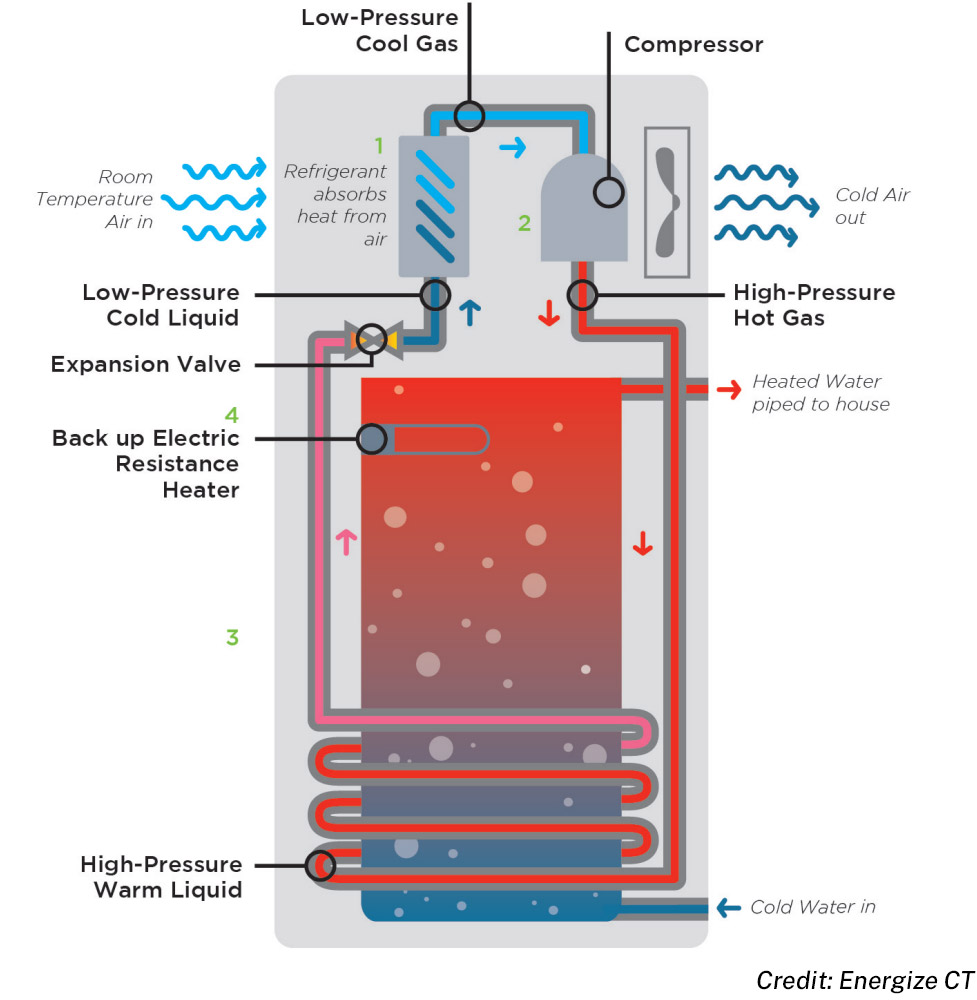
Heat pumps transfer heat from one place to another. In winter, they take heat from outside air and bring it inside. In summer, they remove heat from inside and release it outside. This process uses less energy than traditional heaters.
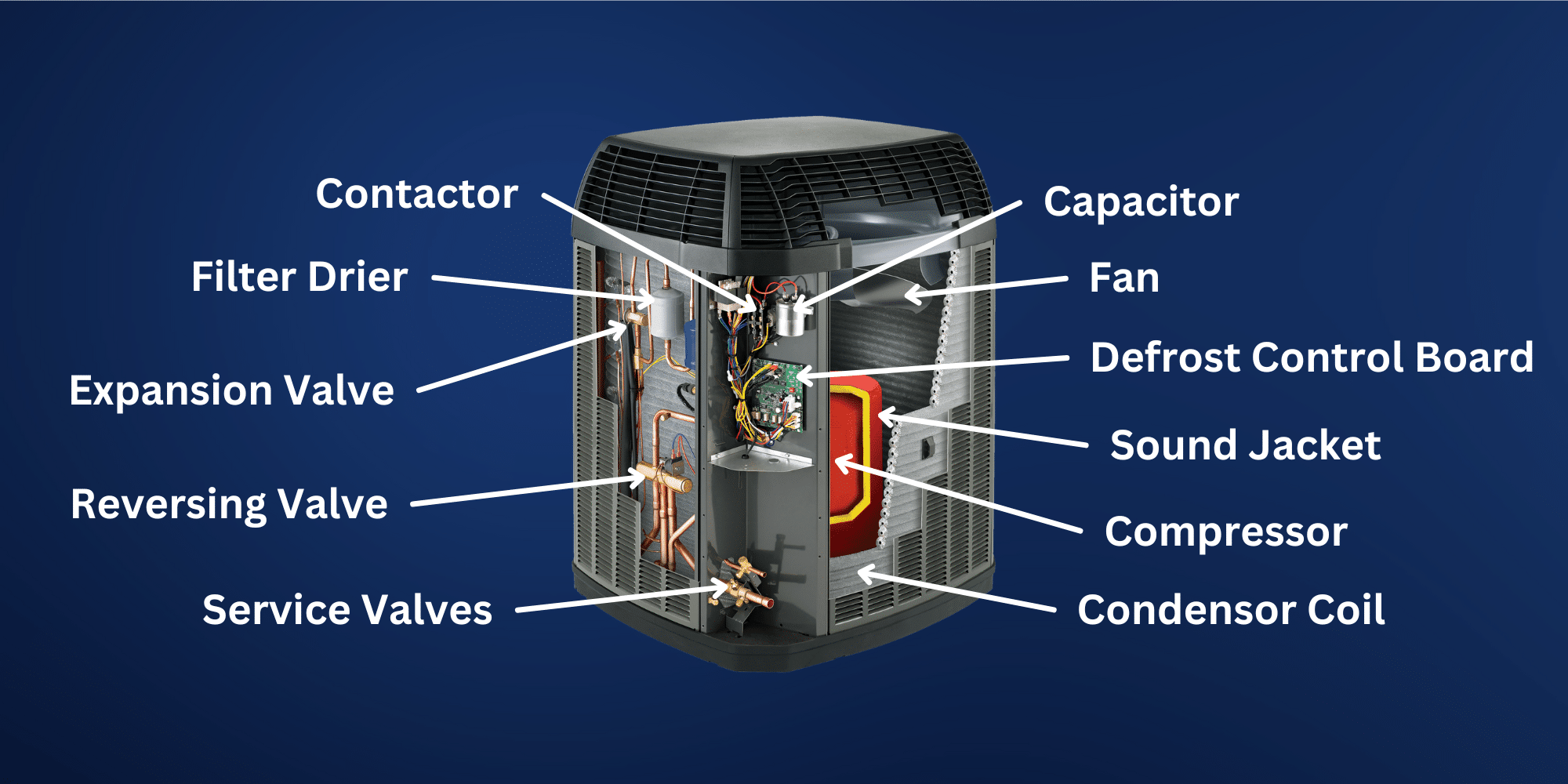
They use a refrigerant to absorb and release heat. A compressor moves the refrigerant through coils. This cycle heats or cools the home efficiently.
Types Of Heat Pumps
There are several types of heat pumps. Air-source heat pumps pull heat from the outside air. Ground-source, or geothermal, heat pumps use the earth’s stable temperature. Water-source heat pumps use nearby water bodies.
Air-source heat pumps are the most common in Connecticut. Geothermal systems cost more but offer high efficiency. Choosing the right type depends on the home and budget.
Energy Efficiency Benefits
Heat pumps use less electricity than traditional heating systems. They save money on energy bills. Many models have high energy efficiency ratings.
They reduce carbon emissions by using renewable heat sources. This helps protect the environment. Heat pumps also provide steady, even heating and cooling. This means better comfort all year round.

Credit: www.degreeheatingandcooling.com
Heat Pumps In Connecticut Climate
Connecticut has cold winters and warm summers. Heat pumps work well in this climate by moving heat instead of creating it. They provide both heating and cooling in one system. This makes them a smart choice for many homeowners.
Performance In Cold Weather
Heat pumps extract heat from the outside air. Even in cold temperatures, they still work efficiently. Modern models perform well below freezing. Some use backup heaters for extreme cold days. This keeps your home warm and comfortable all winter.
Seasonal Energy Savings
Heat pumps use less electricity than traditional heaters. They move heat rather than generate it. This reduces your energy bills during heating and cooling seasons. Many homeowners notice lower utility costs after installation. It is a cost-effective option over time.
Comparing To Traditional Systems
Traditional systems use fuel or electric resistance heat. These methods consume more energy. Heat pumps also cool your home in summer. This removes the need for a separate air conditioner. Heat pumps offer year-round comfort with one system.
Installation Considerations
Installing a heat pump in your Connecticut home requires careful thought. The right installation ensures your system works well and saves energy. Mistakes during installation can reduce efficiency and increase costs. Understanding key factors helps homeowners make smart choices.
Choosing The Right Size
Heat pumps come in different sizes. Picking the correct size depends on your home’s size and insulation. A unit too small will struggle to heat or cool your home. A unit too large wastes energy and costs more. Professionals use calculations to find the perfect size for your house.
Professional Installation Tips
Hire a certified installer with heat pump experience. They know local codes and safety rules. Proper placement of the outdoor unit affects performance. Installers should avoid placing units near windows or noisy areas. Proper refrigerant charge and electrical connections are crucial. Ask for a detailed inspection after installation.
Common Installation Challenges
Cold winters in Connecticut can affect heat pump efficiency. Installers must plan for backup heating options. Space limitations may restrict unit placement. Some homes need ductwork upgrades to fit a heat pump. Noise concerns require careful unit positioning. Timely maintenance access should be part of the plan.
Maintenance And Troubleshooting
Proper maintenance and quick troubleshooting keep heat pumps working well. Connecticut homeowners should know the basics to save money and avoid problems. A well-kept heat pump lasts longer and uses less energy.
Routine Maintenance Tasks
Check and clean air filters every 1-3 months. Dirty filters reduce airflow and cause wear. Clear debris from outdoor units to keep air flowing. Inspect the thermostat settings for correct operation. Schedule a professional tune-up once a year. Regular checks help spot small issues early.
Signs Of Malfunction
Listen for strange noises like grinding or rattling. Notice if the heat pump blows weak or no air. Watch for uneven temperatures in different rooms. Smell any burning or unusual odors near the unit. Look for water leaks or ice build-up on coils. These signs mean the system needs attention.
When To Call A Technician
Call a pro if the heat pump stops working completely. If there is a sharp increase in your energy bills, get help. Strange noises or smells also require expert advice. If routine maintenance does not fix the problem, hire a technician. Early service prevents costly repairs and keeps your home comfortable.
Cost And Incentives
Installing a heat pump in Connecticut involves some costs. Understanding these expenses helps homeowners plan better. Incentives can lower the price and make heat pumps more affordable. This section explains the upfront costs and available savings options.
Upfront Costs And Long-term Savings
Heat pumps cost more initially than traditional heating systems. Prices depend on the size and type of the unit. Installation fees also add to the upfront cost. Despite higher initial expenses, heat pumps save money over time. They use less energy, which cuts utility bills. Many homeowners recover their investment within a few years.
Available Connecticut Rebates
Connecticut offers rebates to support heat pump installation. These rebates reduce the amount paid at purchase. The state’s energy programs provide financial help for qualifying homes. Eligibility depends on the heat pump model and installer certification. Homeowners should check the latest rebate details before buying.
Federal Tax Credits
The federal government provides tax credits for heat pumps. These credits lower the amount of tax owed by homeowners. Tax credits cover a percentage of the installation cost. Claiming these credits requires proper documentation and receipts. Combining state rebates with federal credits maximizes savings.
Credit: portal.ct.gov
Environmental Impact
Heat pumps are becoming popular in Connecticut for many reasons. One important factor is their effect on the environment. Homeowners should understand how these systems help protect the planet. Heat pumps use less energy than traditional heating and cooling methods. This means they produce fewer harmful gases. Using a heat pump can make a home greener and cleaner.
Reducing Carbon Footprint
Heat pumps use electricity to move heat, not create it. This process needs less energy than burning fossil fuels. Less energy use means fewer carbon emissions. Homes with heat pumps have smaller carbon footprints. This helps fight climate change. Connecticut homeowners can lower their home’s impact on the earth by using heat pumps.
Sustainability Benefits
Heat pumps support sustainable living. They rely on renewable energy sources like air and ground heat. These sources do not run out or pollute the environment. Heat pumps last longer than many heating systems. This reduces waste and the need to replace equipment often. Choosing a heat pump helps conserve natural resources and reduce pollution.
Future Energy Trends
Energy in Connecticut is shifting toward clean and renewable sources. Heat pumps fit well with this trend. They work efficiently with solar and wind power. As the grid becomes greener, heat pumps become even cleaner. Using a heat pump today prepares homes for a cleaner energy future. This makes heat pumps a smart choice for long-term savings and environmental care.
Choosing The Right Heat Pump
Choosing the right heat pump is important for every homeowner in Connecticut. The right choice helps save money and keeps your home comfortable year-round. Understanding key features, popular brands, and customer feedback can guide your decision. This section covers what to focus on when picking a heat pump for your home.
Key Features To Consider
Look for energy efficiency ratings such as SEER and HSPF. Higher ratings mean lower energy bills. Consider the heat pump size to match your home’s space. A unit too small or too big wastes energy and money. Noise level is important for quiet operation. Check if the model works well in cold climates like Connecticut’s. Some heat pumps have backup heating for extra cold days.
Brands Popular In Connecticut
Several brands have a strong presence in Connecticut. Mitsubishi Electric offers reliable and efficient models. Carrier is known for durable heat pumps and good warranties. Trane provides options suited for cold weather. Goodman offers budget-friendly units with solid performance. These brands have service networks and parts availability across the state.
Customer Reviews And Ratings
Reading reviews helps understand real user experiences. Pay attention to feedback on energy savings and comfort. Look for comments on installation quality and customer service. See if customers mention issues in cold winters. Ratings from trusted sites like Consumer Reports add extra trust. Choose models with mostly positive reviews for peace of mind.
Credit: www.watkinsheating.com
Frequently Asked Questions
What Is A Heat Pump And How Does It Work?
A heat pump moves heat from outside to inside your home or vice versa for heating or cooling.
Are Heat Pumps Effective In Connecticut’s Cold Winters?
Yes, modern heat pumps work well even in cold Connecticut winters with energy-efficient technology.
How Much Can I Save On Energy With A Heat Pump?
Heat pumps can reduce heating costs by 30% to 50%, depending on your home and usage.
Do Heat Pumps Require A Lot Of Maintenance?
Heat pumps need simple yearly check-ups and filter cleaning to keep working efficiently.
Can A Heat Pump Replace My Existing Heating System?
A heat pump can often replace or work with your current system to provide heating and cooling.
Conclusion
Heat pumps offer an energy-saving way to heat and cool your home. They work well in Connecticut’s climate and can lower utility bills. Choosing the right system means considering your home size and insulation. Regular maintenance helps keep the heat pump working efficiently.
Understanding these basics can make your decision easier. A heat pump could be a smart step toward comfort and savings. Take time to learn more and weigh your options carefully.