
If you’re a homeowner in Arizona, you know how important it is to keep your home comfortable without sky-high energy bills. Heat pumps might be the solution you’ve been looking for.
But before you decide, there are key facts you need to understand. This isn’t just about saving money—it’s about making smart choices for your home and family. Keep reading to discover what heat pumps can do for you and why they might be the perfect fit for Arizona’s unique climate.
Heat Pump Basics
Heat pumps are a popular choice for Arizona homeowners. They provide both heating and cooling in one system. Understanding the basics helps you make smart decisions for your home comfort. Heat pumps work differently from traditional heaters or air conditioners. They move heat instead of creating it. This process saves energy and lowers utility bills.
How Heat Pumps Work
Heat pumps transfer heat from one place to another. During winter, they pull heat from outside air and move it inside. Even cold air contains heat energy. The pump captures this heat and releases it indoors. In summer, the process reverses. The pump removes heat from inside and pushes it outside. This cools your home efficiently. Heat pumps use a refrigerant to absorb and release heat. A compressor and fans help move the heat through your home.
Types Of Heat Pumps
There are several heat pump types for different needs. Air-source heat pumps are the most common. They take heat from the outside air. Ground-source or geothermal heat pumps use the earth’s stable temperature. They are very efficient but cost more to install. Ductless mini-split heat pumps are good for homes without ducts. They offer flexible zoning and easy installation. Each type fits different homes and climates.
Benefits For Arizona Homes
Heat pumps offer many benefits for homes in Arizona. They fit well with the desert climate. These systems provide efficient heating and cooling all year. Homeowners can enjoy comfort and save money. Understanding these benefits helps make a smart choice for your home.
Energy Efficiency In Hot Climates
Heat pumps use less energy than traditional AC units. They move heat instead of creating it. This process uses electricity more wisely. Arizona’s hot climate makes cooling essential most of the year. Heat pumps handle this demand while using less power. This means lower energy waste and a smaller carbon footprint.
Cost Savings On Utilities
Lower energy use means smaller utility bills. Heat pumps reduce electricity costs, especially in summer. They also heat your home in winter without extra fuel. This dual function saves money on both heating and cooling. Over time, these savings can cover the cost of installing a heat pump. A smart choice for budget-conscious homeowners.
Year-round Comfort
Heat pumps keep your home comfortable through all seasons. They cool during hot Arizona summers and warm in cooler months. This steady temperature control improves indoor living quality. No need for separate heating systems. Heat pumps provide consistent comfort without extra effort or cost.
Choosing The Right Heat Pump
Choosing the right heat pump is important for comfort and energy savings. The right choice depends on your home’s size, location, and climate. Arizona’s hot summers and mild winters need special attention to these factors. A well-chosen heat pump works efficiently and keeps your home comfortable year-round.
Sizing And Capacity Considerations
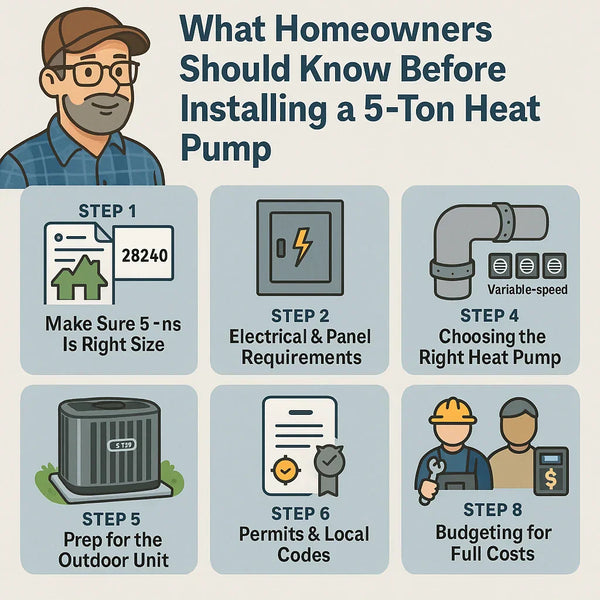
Size matters for heat pumps. Too small means poor heating and cooling. Too large wastes energy and costs more. Calculate your home’s square footage and insulation quality. A professional HVAC technician can help measure your cooling and heating needs. Proper sizing ensures the heat pump runs efficiently and lasts longer.
Features To Look For
Look for energy-efficient models with a high SEER rating. Variable-speed compressors adjust power to save energy. A heat pump with a good warranty offers peace of mind. Check for features like smart thermostats for easy control. Durable materials resist Arizona’s dust and heat.
Top Brands For Arizona
Brands like Trane, Carrier, and Lennox are popular in Arizona. They offer models designed for hot climates. These brands provide reliable service and parts availability. Their heat pumps deliver strong performance and energy savings. Choosing a well-known brand means better support and longer equipment life.

Credit: nespolohvac.com
Installation Tips
Installing a heat pump in your Arizona home needs careful planning. Proper installation ensures the system runs efficiently and lasts longer. It also helps save money on energy bills. Below are key tips to guide homeowners through the installation process.
Hiring Qualified Professionals
Choose technicians with experience in heat pump systems. Certified professionals know local climate challenges and how to handle them. They follow safety standards and use proper tools. This reduces the chance of errors and costly repairs later. Always ask for references and check reviews before hiring.
Optimal Placement For Performance
Place the heat pump in a shaded, open area. Avoid spots near direct sunlight or strong winds. Good airflow around the unit improves efficiency. Keep the area free of debris and plants that block air intake. Position the unit close to your home to reduce heat loss in pipes.
Permits And Regulations In Arizona
Check local rules before starting installation. Many cities in Arizona require permits for heat pumps. Permits ensure the installation meets building codes and safety laws. Failing to get permits can cause fines or forced removal. Contact your city office or a professional installer to learn more.
Maintenance And Troubleshooting
Maintaining a heat pump in Arizona is key to keeping it working well. Regular care helps avoid breakdowns and saves money. Homeowners should know basic maintenance tasks and how to spot common problems early. This guide covers simple steps and when to get expert help.
Routine Care Practices
Clean or replace filters every month during use. Clear debris and leaves from around the outdoor unit. Check for ice buildup on the coils in winter. Keep vents and registers free from dust and blockages. Inspect electrical connections for signs of wear or damage. These small steps keep your heat pump running smoothly.
Common Issues And Fixes
Strange noises often mean loose parts or debris inside. Poor heating or cooling might be a dirty filter or low refrigerant. Frost on the outdoor unit usually requires defrosting. Water leaks can come from clogged drains or frozen coils. Resetting the system sometimes fixes minor errors. Simple fixes can restore comfort quickly.
When To Call A Technician
Call a professional if your heat pump stops working completely. Strange smells or smoke need immediate attention. Electrical problems or frequent cycling require expert diagnosis. If repairs seem complex or unsafe, don’t delay. Regular professional check-ups help catch issues early and extend system life.

Credit: www.heathsair.com
Financial Incentives
Financial incentives make heat pumps more affordable for Arizona homeowners. These incentives reduce the upfront cost and help save money over time. Homeowners can benefit from rebates, tax credits, and energy savings programs. Understanding these options helps make a smart investment in home comfort.
Arizona Rebates And Tax Credits
Arizona offers rebates for installing energy-efficient heat pumps. These rebates lower the initial purchase price. Tax credits also reduce the amount of tax owed. Both make upgrading to a heat pump less expensive. Check with local utility companies for available offers.
Energy Savings Programs
Many energy providers in Arizona run programs to encourage efficient cooling and heating. These programs offer discounts or bill credits. They reward homeowners for using less energy. Joining these programs helps cut monthly utility bills. They support a greener and cheaper way to cool and heat your home.
Long-term Investment Benefits
Heat pumps save money beyond initial incentives. They use less electricity than traditional systems. Lower energy use means smaller utility bills year after year. Heat pumps also increase home value. The savings and added value make heat pumps a smart long-term choice.
Comparing Heat Pumps To Alternatives
Choosing the right heating and cooling system is important for Arizona homeowners. Comparing heat pumps to other options helps you make a smart choice. Heat pumps offer unique benefits but understanding how they differ from traditional systems is key.
Heat Pumps Vs. Traditional Ac
Heat pumps cool your home like air conditioners do. But heat pumps also heat your home by moving warm air inside. Traditional AC units only cool, so you need a separate heater. Heat pumps combine both functions in one unit. This can save space and money on installation.
Heat pumps use electricity efficiently, which can lower your bills. Air conditioners may use more energy since heating needs another system. Heat pumps work best in mild climates, like much of Arizona. They may struggle in extremely cold spots but are reliable for most homes here.
Heat Pumps Vs. Furnace Systems
Furnaces burn fuel like gas or oil to produce heat. Heat pumps move heat without burning fuel. This makes heat pumps safer and cleaner to operate. Furnaces can heat very quickly, which helps in cold weather. But heat pumps provide steady, gentle warmth that saves energy.
Furnaces require regular fuel supply and venting, adding maintenance tasks. Heat pumps need less upkeep and do not emit exhaust gases. In Arizona, where winters are mild, heat pumps often provide enough heat without extra fuel costs.
Environmental Impact
Heat pumps reduce carbon emissions by using less energy. They rely on electricity, which is cleaner than burning fossil fuels. Traditional AC and furnace systems often use more energy and produce more pollution. Switching to heat pumps supports a greener environment.
Using heat pumps helps reduce your home’s carbon footprint. This benefits local air quality and combats climate change. For Arizona homeowners, this means contributing to cleaner, healthier communities while saving energy.
Credit: thefurnaceoutlet.com
Frequently Asked Questions
What Is A Heat Pump And How Does It Work In Arizona?
A heat pump moves heat between inside and outside to cool or warm your home efficiently.
Are Heat Pumps Energy Efficient In Arizona’s Hot Climate?
Yes, heat pumps use less energy than traditional AC units in Arizona’s heat.
Can Heat Pumps Handle Arizona’s Extreme Summer Temperatures?
Modern heat pumps are designed to work well even in very hot Arizona summers.
What Maintenance Do Arizona Homeowners Need For Heat Pumps?
Regular filter cleaning and yearly professional check-ups keep heat pumps running smoothly.
How Much Can Arizona Homeowners Save With Heat Pumps?
Heat pumps can lower energy bills by 20-40% compared to electric heaters or AC units.
Conclusion
Heat pumps offer an efficient way to cool and heat Arizona homes. They use less energy than traditional systems, saving money on bills. Proper installation and maintenance keep them working well for years. Choosing the right heat pump depends on your home’s size and needs.
Understanding these basics helps you make smart choices. Stay comfortable through hot summers and chilly nights. Heat pumps bring steady comfort without high costs. Consider all factors before making a decision for your home.