
Is your Roper washer sitting empty because it won’t fill with water? You’re probably frustrated, wondering why your laundry routine has come to a halt.
This problem can feel confusing and inconvenient, but don’t worry—you’re not alone, and there’s a solution. Understanding why your washer isn’t filling can save you time, money, and stress. Keep reading, and you’ll discover simple steps to get your Roper washer back to working like new.
Common Reasons For No Water Fill
When a Roper washer does not fill with water, it stops working properly. The washer needs water to clean clothes. Several common problems cause this issue. Understanding these can help you fix the washer faster.
Most problems come from parts that control water flow. They can get stuck, broken, or dirty. Checking these parts often solves the problem.
Water Supply Issues
Water must reach the washer for it to fill. Check if the water taps are open. Sometimes, the water hose is kinked or blocked. Low water pressure can also stop water from entering.
Clogged Inlet Valve
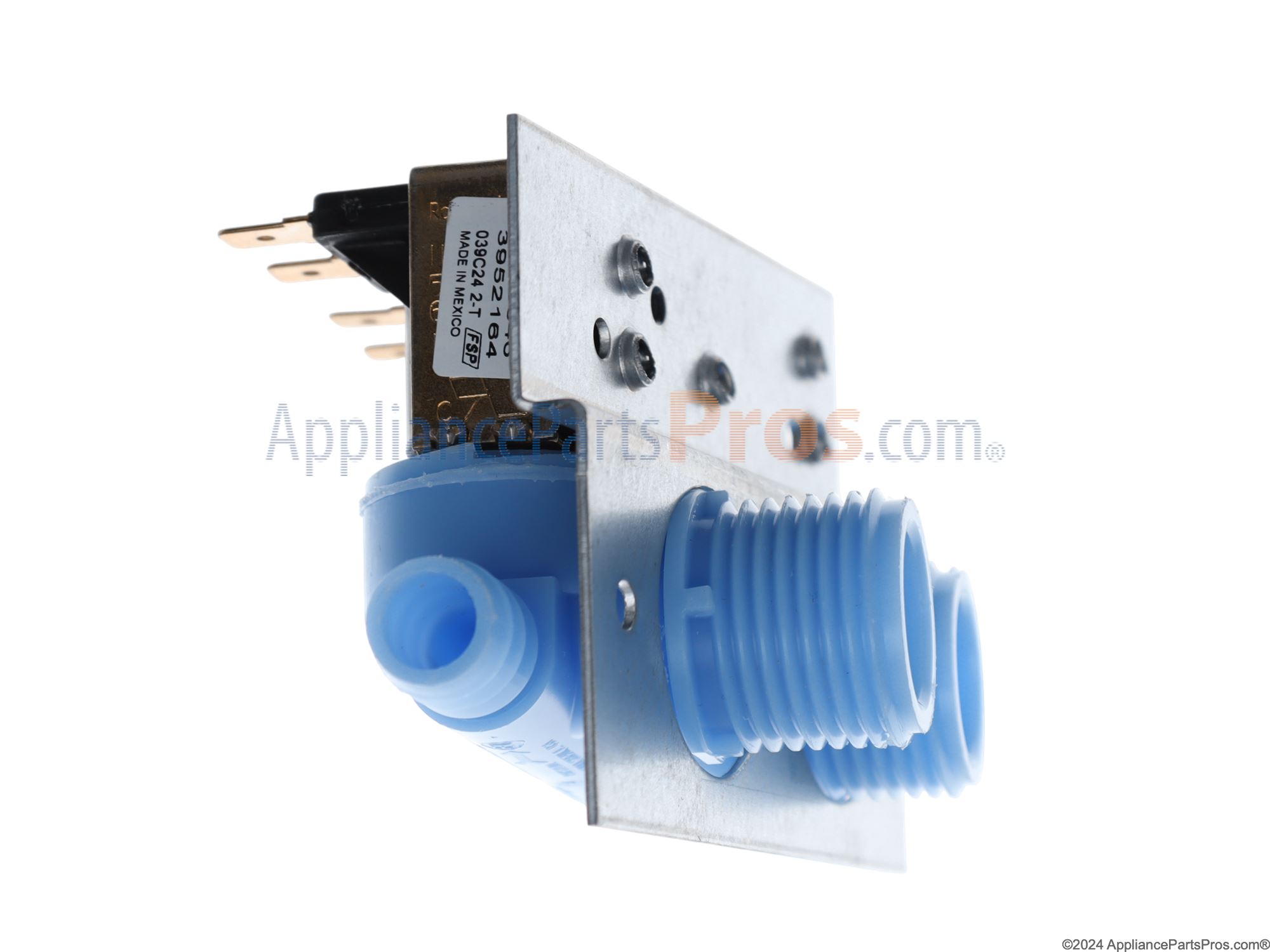
The inlet valve controls water flow into the washer. Dirt or debris can clog it. A clogged valve stops water from entering. Cleaning or replacing the valve may be needed.
Faulty Water Level Switch
The water level switch tells the washer how much water to use. If it breaks, the washer may not fill. Testing this switch helps find if it works properly.
Malfunctioning Lid Switch
The lid switch stops the washer if the lid is open. If this switch is broken, the washer may not fill. Fixing or changing the lid switch can solve this.
Problems With The Timer Or Control Board
The timer and control board manage all washer functions. Faults here can stop water filling. Repair or replacement might be necessary for these parts.
Checking The Water Supply
When your Roper washer does not fill with water, the problem often lies in the water supply. Checking this supply is the first step to fix the issue. Water must flow freely from the source to the washer for it to work properly.
Simple problems like closed faucets or blocked hoses can stop water flow. This section guides you through key checks to ensure the water supply is ready and working.
Inspecting The Water Faucets
Start by looking at the water faucets behind the washer. Make sure both hot and cold faucets are fully open. Sometimes, faucets can be partially closed without noticing. Turning them all the way on allows water to flow freely into the machine.
Examining The Hoses For Kinks Or Blockages
Check the hoses connecting the washer to the faucets. Hoses can bend sharply or get twisted, blocking water flow. Straighten any kinks you find. Also, remove hoses and look inside for dirt or debris. Clean or replace hoses if blocked.
Verifying Water Pressure
Water pressure must be strong enough for the washer to fill. Low pressure means little or no water enters the machine. Test pressure by turning on a nearby faucet. If water flow is weak, contact your water supplier or check your home plumbing.
Cleaning Or Replacing The Inlet Valve
The inlet valve controls water flow into your Roper washer. Dirt or damage can stop water from filling the machine. Cleaning or replacing the valve often solves this problem.
Regular cleaning keeps the valve working well. Sometimes, damage means a new valve is needed. Understanding how to handle this part saves time and money.
Locating The Inlet Valve
The inlet valve sits where the water hoses connect to the washer. Find it at the back, near the top. Turn off the water supply before touching the valve.
Remove the hoses carefully. The valve is behind them. Look for a small box with wires and ports for hoses.
Steps To Clean The Valve
Unplug the washer for safety. Disconnect the water hoses from the valve. Check the valve openings for dirt or debris.
Use a soft brush or cloth to clean the screens inside the valve. Rinse with water to remove buildup. Let the valve dry before reattaching hoses.
Reattach the hoses firmly. Turn on the water supply and power. Run a test cycle to see if water flows properly.
When To Replace The Valve
Clean the valve first to try fixing the issue. Replace it if water still won’t fill the washer. Signs include leaks or no water flow after cleaning.
Buy a valve that matches your Roper washer model. Install it by reversing the removal steps. Test the washer to confirm the problem is fixed.

Credit: www.youtube.com
Testing The Water Level Switch
Testing the water level switch is a key step in fixing a Roper washer that does not fill with water. This small part controls the water amount inside the drum. If it breaks, the washer may not fill properly or at all. Understanding how to test this switch can save time and money. It also helps you know if you need a new switch or just a simple fix.
How The Switch Works
The water level switch senses the water height inside the washer tub. It uses air pressure from a small tube connected to the tub. When water rises, pressure increases and triggers the switch. The switch then tells the washer to stop filling. If this switch is faulty, the washer won’t know when to fill or stop.
Tools Needed For Testing
Testing the water level switch requires a few simple tools. You will need a multimeter to check electrical continuity. A screwdriver helps to access the switch. Also, have a flashlight to see inside tight spaces. These tools allow you to check if the switch works without removing it.
Replacing A Defective Switch
If the test shows the switch is broken, replacing it is easy. First, unplug the washer for safety. Use a screwdriver to remove the control panel. Disconnect the old switch and attach the new one. Make sure all wires are connected properly. Finally, reassemble the panel and test the washer again.
Inspecting The Lid Switch
Inspecting the lid switch is an important step when your Roper washer does not fill with water. The lid switch stops the washer from filling if the lid is open. A broken or faulty lid switch can cause the washer to stop filling. Checking this part can help you find the problem fast.
Role Of The Lid Switch
The lid switch is a safety device. It senses if the washer lid is closed or open. When the lid is closed, the switch allows the washer to fill with water. If the lid is open, the switch stops the water from filling. This prevents accidents during the wash cycle.
Checking For Switch Continuity
Use a multimeter to test the lid switch for continuity. First, unplug the washer. Remove the switch from its place. Set the multimeter to the continuity setting. Touch the meter probes to the switch terminals. A reading means the switch works. No reading means it is faulty.
Fixing Or Replacing The Switch
If the lid switch is bad, replace it with a new one. You can buy a switch for your Roper washer model. Remove the old switch carefully. Install the new switch and secure it. Test the washer to see if it fills with water now.

Credit: www.reddit.com
Evaluating The Timer And Control Board
When your Roper washer does not fill with water, the problem may lie in the timer or control board. These parts control the water intake cycle and regulate the wash process. Understanding how to evaluate them can help diagnose the issue faster.
The timer sends signals to fill the tub with water at the right time. The control board manages electrical functions and timing. Faults in either can stop water from entering the washer.
Signs Of Timer Malfunction
The washer does not advance through cycles properly.
Water does not fill during the wash cycle.
You hear clicking sounds but no water flow.
The timer dial does not move or feels stuck.
Testing The Control Board
Unplug the washer before testing to avoid shocks.
Check for burned spots or damaged wires on the board.
Use a multimeter to test voltage outputs from the board.
Compare readings with the washer’s service manual specifications.
When To Call A Professional
Testing electronics can be risky without experience.
Control boards often require special tools and skills.
Incorrect handling can cause more damage or injury.
Call a professional if you cannot find the problem quickly.
Preventive Tips To Avoid Water Fill Issues
Preventing water fill issues in your Roper washer keeps your laundry running smoothly. Simple steps can avoid common problems that stop water from entering the machine. Regular care and proper use extend your washer’s life and save repair costs.
Regular Maintenance Practices
Check the water inlet hoses for cracks or leaks often. Clean the water inlet filters to remove dirt or debris. Inspect the washer’s water valve for signs of damage. Clear any blockages that may slow water flow. Perform these checks every few months to keep water filling properly.
Proper Usage Guidelines
Do not overload the washer. Too many clothes can block water flow inside. Use the correct water level setting for each load size. Avoid using harsh chemicals that can damage internal parts. Follow the manufacturer’s instructions for best results.
When To Schedule Professional Service
Call a technician if water still does not fill after basic checks. Strange noises or error codes may signal deeper issues. Avoid trying complex repairs yourself to prevent more damage. Regular professional inspections catch small problems early. Schedule service yearly or as needed for peace of mind.
Credit: www.appliancepartspros.com
Frequently Asked Questions
Why Is My Roper Washer Not Filling With Water?
The water supply might be off or hoses could be kinked or clogged.
How Do I Fix A Roper Washer Water Fill Issue?
Check water valves, clean filters, and ensure hoses are properly connected.
Can A Faulty Water Inlet Valve Cause Filling Problems?
Yes, a broken inlet valve can stop water from entering the washer.
Could The Washer Lid Switch Affect Water Filling?
Yes, if the lid switch is broken, the washer may not fill with water.
Should I Check The Water Pressure For Filling Issues?
Low water pressure can prevent the washer from filling properly. Check it first.
Conclusion
A Roper washer not filling with water can cause big problems. Check the water supply and hoses first. Clean the water inlet valve if needed. Make sure the lid switch works properly. Small fixes often solve the issue quickly. Regular maintenance helps prevent future troubles.
Don’t ignore early signs of trouble. A little care saves time and money. Keep your washer working smoothly for clean clothes every day.