
Is your Hisense refrigerator ice maker not working? It’s frustrating when you open your fridge expecting fresh ice, only to find it empty.
You rely on your ice maker every day for cold drinks and quick refreshments. When it stops making ice, it can disrupt your routine and leave you searching for answers. But don’t worry—this problem is more common than you think, and there are simple steps you can take to fix it.
Keep reading to find out why your ice maker isn’t working and how you can get it back up and running fast.
Common Ice Maker Issues
Ice makers in Hisense refrigerators often face common problems. These issues can stop ice production or affect ice quality. Understanding these problems helps in quick troubleshooting.
No Ice Production
The ice maker stops making ice completely. This problem may be due to a power issue or a broken switch. Sometimes, the water supply line gets blocked or frozen. Check if the ice maker is turned on and the water valve is open.
Slow Ice Making
Ice takes too long to form. Low freezer temperature or a dirty condenser coil can cause this. The water inlet valve might be partially closed. Make sure the freezer is cold enough and the coils are clean.
Ice Maker Not Filling
The ice tray does not fill with water. This issue often happens because of a frozen water line. The water inlet valve may be faulty or clogged. Inspect the water supply and clear any blockages.
Ice Cube Quality Problems
Ice cubes look cloudy, small, or misshapen. Dirty water filters or poor water quality cause this. Also, low water pressure affects ice quality. Replace filters regularly and check the water source.
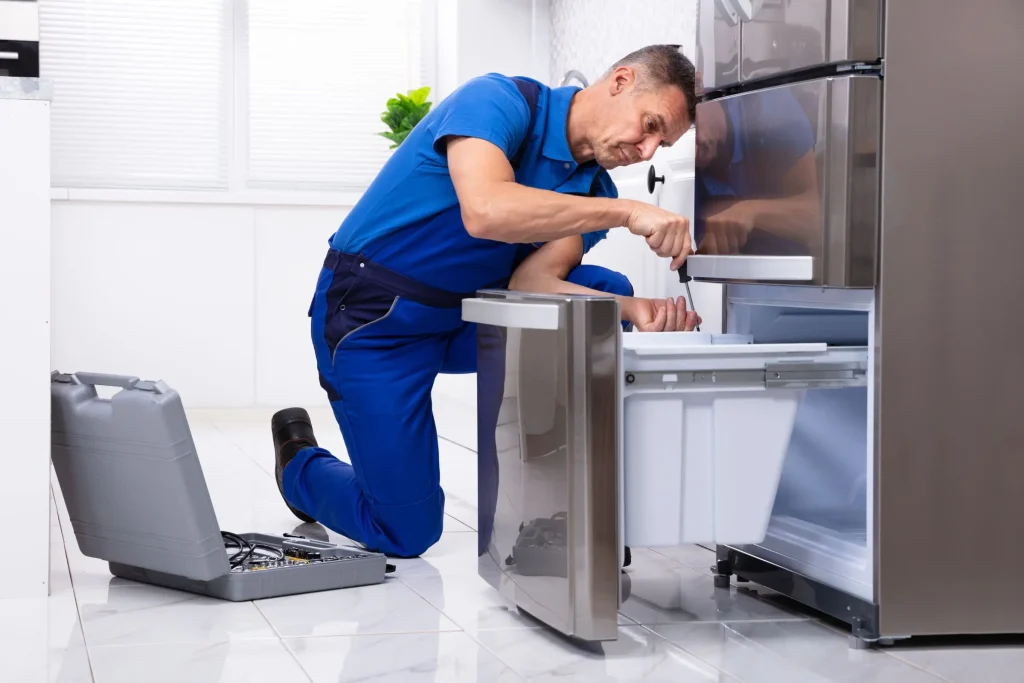
Credit: www.smartappliance.co.za
Basic Troubleshooting Steps
When the ice maker in your Hisense refrigerator stops working, start with basic troubleshooting steps. These steps can fix common problems without needing a technician. Follow each step carefully to find the issue. This saves time and keeps your fridge working well.
Check Power Supply
Ensure the refrigerator is plugged in properly. Look for any loose or damaged power cords. Check the outlet by plugging in another device. A power issue can stop the ice maker from working. Reset the circuit breaker if needed.
Inspect Water Line
Examine the water line connected to the ice maker. Make sure it is not kinked or frozen. A blocked water line stops water flow to the ice maker. Clear any ice blockages or replace damaged parts. Confirm that the water valve is open.
Reset Ice Maker
Try resetting the ice maker to fix minor glitches. Locate the reset button or switch on the ice maker. Press and hold it for 10 seconds, then release. This action can restart the ice-making process. Wait a few minutes to see if ice forms again.
Adjust Temperature Settings
Check the freezer temperature. The ideal setting is between 0°F and 5°F (-18°C to -15°C). If too warm, the ice maker may stop working. Lower the temperature and wait for the ice maker to react. Avoid setting it too cold, which can freeze water lines.
Cleaning And Maintenance Tips
Cleaning and maintaining your Hisense refrigerator ice maker helps keep it working well. Dirt and ice build-up can block the machine. Regular care stops problems before they start. Follow these tips to keep the ice maker clean and efficient.
Clean Ice Maker Components
Turn off the ice maker before cleaning. Remove the ice bin and wash it with warm, soapy water. Wipe the ice maker parts gently with a soft cloth. Avoid using harsh chemicals that can damage the machine. Clean the ice tray and the dispenser area too. Dry all parts fully before putting them back.
Prevent Ice Blockages
Check for ice clumps inside the ice maker. Clear any ice jams carefully by hand. Keep the freezer temperature at the recommended level. Avoid opening the freezer door often to stop warm air from melting ice. Regularly remove excess ice to prevent blockages. This keeps the ice maker running smoothly.
Replace Water Filter
Change the water filter every six months or as needed. A clean filter improves water flow and ice quality. Follow the manufacturer’s guide to replace the filter. Using an old filter can cause poor ice production. Keep a spare filter ready for easy replacement. This simple step helps keep your ice maker healthy.
When To Replace Parts
Knowing when to replace parts in your Hisense refrigerator ice maker saves time and money. Parts wear out over time and cause problems. Detecting the faulty part early helps fix the issue faster. Some parts fail more often and need quick replacement for smooth ice production.
Here are common parts to check and replace for ice maker problems.
Faulty Water Inlet Valve
The water inlet valve controls water flow to the ice maker. If it fails, no water reaches the ice mold. Signs include no ice or small ice cubes. Test the valve for power and water flow. Replace the valve if it does not open or close properly. This repair stops water supply problems and restores ice making.
Damaged Ice Mold Thermostat
The ice mold thermostat controls freezing cycles. A damaged thermostat can cause incomplete freezing or no ice. Check if the ice maker stops working at the right temperature. A faulty thermostat causes ice maker to shut down early or late. Replace the thermostat if it does not sense temperature correctly. This ensures proper ice formation and timing.
Malfunctioning Motor
The motor drives the ice ejector arm to release ice cubes. A bad motor causes ice to stay stuck or no ice ejection. Listen for unusual sounds or silence from the motor. Replace the motor if it fails to run or runs irregularly. Fixing the motor restores smooth ice release and full ice production.
Preventing Future Ice Maker Problems
Preventing future problems with your Hisense refrigerator ice maker saves time and frustration. Simple care steps keep it working smoothly. Follow easy tips to avoid common issues and extend the ice maker’s life.
Regular Maintenance Schedule
Clean the ice maker every few months. Remove old ice and wipe down the tray. Check the water line for leaks or blockages. Replace any worn parts quickly. Regular checks prevent buildup and clogs.
Avoid Common Mistakes
Do not overload the ice bin with too much ice. Avoid using hard water without proper filtration. Never force parts or use harsh chemicals for cleaning. These mistakes cause damage and reduce ice quality.
Use Recommended Water Filters
Choose filters approved by Hisense. Good filters improve water quality and ice taste. Change filters as the manual suggests. Clean water stops clogs and extends ice maker life.

Credit: www.reddit.com

Credit: www.youtube.com
Frequently Asked Questions
Why Is My Hisense Refrigerator Ice Maker Not Making Ice?
The ice maker might be off, frozen, or water supply is blocked. Check these first.
How Do I Fix A Frozen Ice Maker In Hisense Fridge?
Turn off the fridge and let the ice maker thaw for a few hours.
What Causes Hisense Ice Maker To Stop Producing Ice?
Common causes include low water pressure, a clogged filter, or a faulty ice maker.
How Often Should I Clean My Hisense Refrigerator Ice Maker?
Clean the ice maker every 3 to 6 months to prevent blockages and maintain ice quality.
Can A Faulty Water Inlet Valve Stop Ice Production?
Yes, a broken water inlet valve can block water flow, stopping ice from forming.
Conclusion
A Hisense refrigerator ice maker not working can be frustrating. Check the water supply and temperature first. Clean the ice maker to remove any blockages. Resetting the refrigerator may solve some issues. Sometimes, small repairs can fix the problem quickly.
Regular maintenance helps keep the ice maker running smoothly. If problems continue, contact a professional technician. Taking these steps can save time and effort. Your ice maker will work again with a little care. Stay patient and follow simple tips for success.