
If you’re a homeowner in South Carolina, understanding how to keep your home comfortable year-round is important. Heat pumps offer an energy-efficient way to heat and cool your home, but there are a few key things you need to know before making a decision.
This guide will help you discover how heat pumps work, why they might be the perfect fit for your home, and what to watch out for. By the end, you’ll have the confidence to choose the best heating and cooling solution for your family and save money on your energy bills.
Keep reading to learn everything you should know about heat pumps in South Carolina.

Credit: charlottecomfortsystems.com
Heat Pump Basics
Heat pumps are an efficient way to heat and cool homes in South Carolina. They use electricity to move heat instead of creating it. This process saves energy and lowers utility bills. Understanding how heat pumps work helps homeowners make smart choices for comfort and savings.
Learning the basics can clear up common questions. This section explains how heat pumps operate, the types available, and how they compare to traditional HVAC systems.
How Heat Pumps Work
Heat pumps transfer heat from one place to another. In winter, they pull heat from outside air and bring it inside. Even cold air has some heat. In summer, they reverse the process to cool your home. Heat moves from inside to outside. This system uses less energy than heaters or air conditioners.
Types Of Heat Pumps
There are several types of heat pumps for homes. Air-source heat pumps are the most common. They use outside air to heat and cool your home. Ground-source or geothermal heat pumps use the earth’s heat. These are more efficient but cost more to install. Water-source heat pumps use water from lakes or wells. Each type suits different homes and climates.
Heat Pumps Vs Traditional Hvac
Traditional HVAC systems use separate units for heating and cooling. Furnaces burn fuel to create heat. Air conditioners cool by removing heat from inside. Heat pumps combine both functions in one unit. They use less energy and lower bills. Heat pumps also work well in mild climates like South Carolina’s. Traditional systems can cost more to run and maintain.
Benefits For South Carolina Homes
Heat pumps offer many benefits for homeowners in South Carolina. These systems work well in the region’s mild climate. They provide efficient heating and cooling all year long. Installing a heat pump can improve comfort and reduce energy costs. Understanding these benefits helps South Carolina homeowners make smart choices for their homes.
Energy Efficiency In Mild Climates
South Carolina’s mild climate suits heat pumps perfectly. Heat pumps use less energy than traditional HVAC systems. They transfer heat instead of creating it, which saves power. This efficiency reduces the overall energy needed to heat or cool a home. Homes with heat pumps often use less electricity, lowering environmental impact.
Cost Savings On Utility Bills
Heat pumps can lower monthly utility bills. Using less energy means spending less on electricity. Many South Carolina homes see noticeable drops in heating and cooling costs. Over time, these savings add up. Homeowners can expect a good return on their investment with reduced bills.
Year-round Comfort
Heat pumps provide both heating and cooling in one system. They keep homes warm in winter and cool in summer. This dual function means no need for separate heaters or air conditioners. Temperature stays steady and comfortable all year. Homeowners enjoy a cozy home without frequent equipment changes.
Installation Considerations
Installing a heat pump in South Carolina requires careful planning. Proper installation ensures the system works efficiently and lasts longer. Several factors affect installation, from size to location and professional setup. Understanding these helps homeowners make better choices.
Choosing The Right Size
Choosing the correct heat pump size is critical. A unit too large wastes energy and costs more. A small unit struggles to heat or cool the home. Experts use home size and insulation to find the right fit. Accurate sizing leads to comfort and savings.
Placement And Space Requirements
Heat pumps need space for air flow and maintenance. Outdoor units require a flat, open area away from obstructions. Avoid placing units near windows or vents. Indoor units should fit in the chosen room without blocking paths. Proper placement keeps the system running smoothly.
Professional Installation Tips
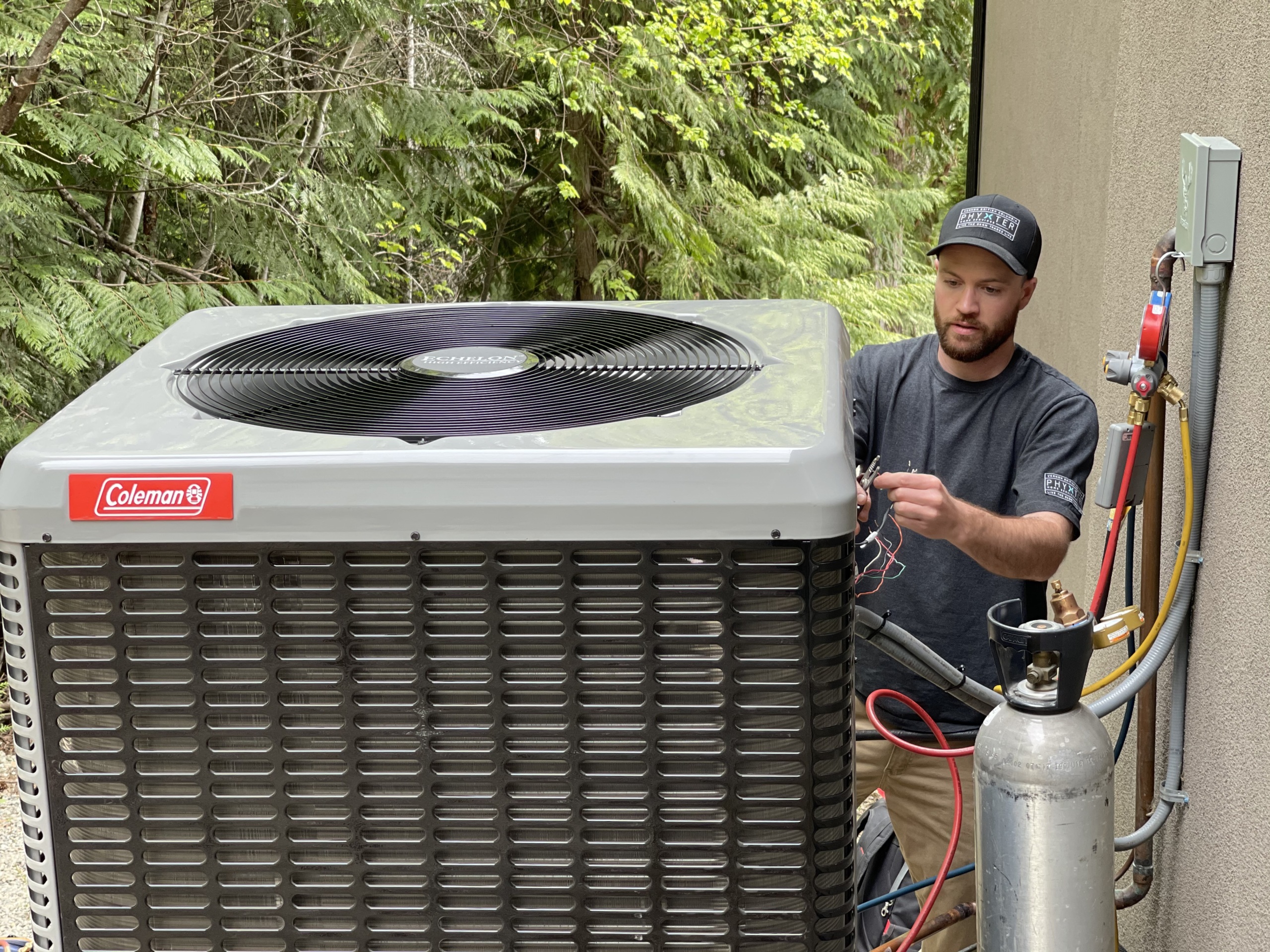
Hire certified installers experienced with heat pumps. They check electrical systems and ductwork before starting. Proper sealing and insulation improve performance. Installers test the system after setup for faults. Trusting professionals reduces risks and ensures efficiency.
Credit: environmentamerica.org
Maintenance Tips
Maintaining a heat pump in South Carolina keeps it working well for many years. Proper care helps avoid costly repairs and high energy bills. Simple steps can improve efficiency and comfort in your home.
Regular Filter Replacement
Change the air filter every one to three months. A clean filter stops dust and dirt from clogging the system. This lets the heat pump run smoothly and saves energy. Dirty filters can reduce airflow and cause the system to work harder.
Seasonal Inspections
Check the heat pump before summer and winter seasons. Look for signs of wear or damage. Clean the outdoor unit by removing leaves and debris. Check for ice buildup in winter. Schedule a professional inspection once a year to ensure all parts work well.
Common Troubleshooting
If the heat pump isn’t heating or cooling properly, check the thermostat settings. Make sure the circuit breaker is on. Clear any blockages around outdoor units. Strange noises or smells may mean a problem. Call a professional for repairs if needed.
Incentives And Rebates
Homeowners in South Carolina can save money by using heat pumps. Many programs offer incentives and rebates. These help lower the cost of buying and installing heat pumps. Taking advantage of these offers makes heat pumps more affordable. Understanding these options helps homeowners make smart choices.
Local And State Programs
South Carolina offers several local and state incentives. Some utility companies give rebates for energy-efficient heat pumps. State programs may provide cash back or discounts. These programs vary by city and county. Check local energy offices for the latest offers.
Federal Tax Credits
The federal government offers tax credits for heat pump installation. This can reduce your income tax bill. The credit amount depends on the heat pump’s efficiency. Tax credits help lower the upfront cost. They encourage homeowners to choose energy-saving systems.
How To Apply
Applying for rebates and tax credits is simple. Start by gathering receipts and product information. Submit these to the utility company or state agency. For tax credits, fill out IRS form 5695 with your tax return. Follow instructions carefully to ensure approval.
Credit: www.gopreferred.com
Potential Drawbacks
Heat pumps offer many benefits but also have some drawbacks for South Carolina homeowners. Knowing these can help in making the right decision. This section covers the main potential issues.
Performance In Extreme Cold
Heat pumps work best in mild to moderate temperatures. In very cold weather, their efficiency drops. South Carolina rarely faces extreme cold, but some winter days can be chilly. During these times, heat pumps may struggle to keep homes warm. Backup heating systems might be needed to maintain comfort.
Initial Installation Costs
Installing a heat pump can cost more than traditional HVAC systems. The upfront price includes equipment and labor. This cost might be higher depending on home size and system type. While heat pumps save money over time, the initial expense can be a hurdle for some homeowners.
Noise Levels
Heat pumps produce sound while running. Outdoor units can be noisy, especially in quiet neighborhoods. Some models operate louder than others. Noise might be distracting if the unit is near bedrooms or living spaces. Choosing a model with low noise ratings helps reduce this issue.
Choosing A Reliable Contractor
Choosing the right contractor for your heat pump installation is very important. A skilled contractor ensures your system works efficiently and lasts longer. Poor installation can cause problems and increase costs over time. Finding a reliable expert saves you time and money. It also gives peace of mind that the job is done correctly.
Certifications To Look For
Check if the contractor has proper licenses and certifications. These prove they know current safety and building rules. Look for certifications like NATE (North American Technician Excellence). Also, check if they are certified by HVAC manufacturers. Certified contractors have training for specific heat pump models. This helps avoid installation mistakes and ensures better service.
Questions To Ask
Ask about the contractor’s experience with heat pumps in South Carolina. How many installations have they done? Request details about the warranty on work and parts. Inquire if they handle permits and inspections. Ask if they offer maintenance after installation. Clear answers show professionalism and care for customers.
Reading Reviews
Read online reviews from past customers. Look for consistent positive feedback about quality and service. Pay attention to comments on timeliness and communication. Negative reviews can reveal common problems or bad practices. Choose contractors with mostly good reviews and satisfied clients. This helps ensure a smooth installation experience.
Frequently Asked Questions
What Is A Heat Pump And How Does It Work In South Carolina?
A heat pump moves heat from outside to inside your home for heating or cooling. It saves energy.
Are Heat Pumps Cost-effective For South Carolina Homeowners?
Heat pumps use less electricity than traditional systems, lowering your energy bills in mild climates like South Carolina.
Can Heat Pumps Handle South Carolina’s Hot And Humid Weather?
Yes, heat pumps cool and dehumidify well, making them suitable for South Carolina’s warm summers.
How Often Should Heat Pumps Be Maintained In South Carolina?
Annual professional check-ups keep heat pumps efficient and extend their lifespan in South Carolina’s climate.
What Rebates Or Incentives Exist For Heat Pumps In South Carolina?
South Carolina offers some local and federal rebates to help reduce the cost of installing heat pumps.
Conclusion
Heat pumps offer South Carolina homeowners a smart way to save energy. They provide both heating and cooling in one system. Maintenance is simple and can extend the unit’s life. Choosing the right size matters for comfort and efficiency. Proper installation ensures the best performance.
Considering local climate helps in making a good decision. Heat pumps can lower utility bills over time. Think about your home’s needs before buying. This choice supports a greener environment too. A well-chosen heat pump keeps your home cozy year-round.