
Is your touch faucet not working when you need it most? It’s frustrating when a simple tap doesn’t respond, leaving you wondering what went wrong.
You rely on this modern convenience every day, and when it stops, it disrupts your routine. But don’t worry—understanding why your touch faucet isn’t working can help you fix it quickly. Keep reading to discover easy solutions that get your faucet back to responding with just a touch.

Credit: www.youtube.com
Common Causes Of Touch Faucet Failure
Touch faucets offer great convenience but can stop working for several reasons. Understanding these causes helps fix the problem faster. Most issues come from power, sensors, batteries, or water supply. Each area needs a quick check to find the fault.
Power Supply Issues
Touch faucets need steady power to work. A loose wire or a faulty connection can cut power. Sometimes, the power adapter fails or the outlet has no electricity. Without power, the faucet won’t respond to touch.
Sensor Malfunctions
The sensor detects your hand to start water flow. Dirt, water spots, or damage can block the sensor. Bright light or reflections may confuse it too. A broken sensor stops the faucet from turning on.
Battery Problems
Many touch faucets run on batteries. Old or weak batteries cause slow or no response. Check battery type and replace with fresh ones. Always use batteries recommended by the faucet maker.
Water Supply Interruptions
No water means no flow, even if the faucet works. Closed valves or frozen pipes can stop water. Sometimes, debris blocks the water line. Ensure valves are open and pipes clear for normal use.

Credit: www.reddit.com
Quick Checks Before Repairs
When a touch faucet stops working, quick checks can save time and money. These simple steps help spot common issues fast. Before calling a plumber, try these easy tests.
Inspecting Power Connections
Touch faucets need power to work. Check if the power cable is plugged in tightly. Look for any visible damage on wires or plugs. Replace batteries if your faucet uses them. A loose or dead power source often causes failure.
Testing The Sensor Response
The sensor detects your touch to start water flow. Clean the sensor area with a soft cloth to remove dirt or water spots. Wave your hand slowly near the sensor. If it does not respond, the sensor might be faulty or blocked.
Verifying Water Pressure
Water pressure affects faucet performance. Turn on other taps to check pressure levels. Low pressure can stop your faucet from working properly. Clear any clogged aerators or filters that may restrict water flow.
Fixing Power And Battery Issues
Touch faucets rely on power to work properly. Power problems often cause them to stop working. Fixing battery and power issues can bring your faucet back to life. Check the power source and batteries first. These are common reasons for failure.
Replacing Batteries
Batteries wear out with time. Old batteries may not give enough power. Open the battery compartment carefully. Remove the old batteries. Insert new ones, matching the plus and minus ends. Use fresh batteries from a reliable brand. Test the faucet after replacing the batteries.
Resetting The Power Source
Some touch faucets have a reset button or switch. Resetting can fix power glitches. Turn off the faucet power for a few seconds. Turn it back on. If your faucet plugs into an outlet, try unplugging it. Wait 10 seconds, then plug it back in. This restarts the power system.
Checking Wiring And Connections
Loose or damaged wires can stop the faucet from working. Look inside the faucet’s power box or battery compartment. Make sure all wires connect tightly. Check for broken or frayed wires. Replace damaged wires if needed. Secure loose connections with tape or clips. Proper wiring ensures steady power flow.
Resolving Sensor And Electronics Problems
Touch faucets rely on sensors and electronics to work properly. Problems in these parts often cause the faucet to stop responding. Fixing these issues can restore your faucet’s function quickly. Start by checking the sensor surface, then adjust settings, and replace parts if needed.
Cleaning The Sensor Surface
Dirt and water spots block the sensor. Clean the sensor gently with a soft cloth. Use mild soap if needed. Avoid harsh chemicals that can damage the sensor. Dry the surface fully before testing the faucet again.
Adjusting Sensor Sensitivity
The sensor may be too sensitive or not sensitive enough. Locate the adjustment switch or dial near the sensor. Turn it slowly to increase or decrease sensitivity. Test the faucet after each change. Find the setting that works best for your use.
Replacing Faulty Sensors
Sensors can wear out over time. If cleaning and adjusting do not help, the sensor might be broken. Purchase a replacement sensor made for your faucet model. Follow the manufacturer’s instructions to remove the old sensor. Install the new sensor carefully and test the faucet to ensure it works.
Addressing Water Flow Blockages
Water flow blockages often cause touch faucets to stop working properly. Dirt and debris can clog parts inside the faucet. These blockages reduce water pressure or stop water flow completely. Fixing these blockages can restore your faucet’s function quickly.
Clearing Aerator Clogs
The aerator is a small screen at the faucet’s tip. It can collect dirt and mineral deposits. Remove the aerator by twisting it off. Rinse it under running water to clear debris. Use a soft brush to scrub away stubborn buildup. Reattach the aerator and test the water flow.
Flushing Supply Lines
Supply lines carry water from your home’s pipes to the faucet. Blockages can form inside these lines. Turn off the water supply before starting. Disconnect the supply lines from the faucet. Run water through the lines to flush out dirt. Reconnect the lines and check the faucet’s flow.
Replacing Damaged Valves
Valves control water flow inside the faucet. Damaged valves can cause low or no flow. Identify the faulty valve by inspecting the faucet. Turn off the water supply before removal. Replace the damaged valve with a new one. Test the faucet to ensure proper water flow.
Maintenance Tips For Touch Faucets
Touch faucets offer great convenience but need care to work well. Regular maintenance keeps them responsive and extends their life. Simple steps can avoid many common problems with touch faucets.
Regular Cleaning Routine
Clean your touch faucet often to remove dirt and grime. Use a soft cloth and mild soap to wipe it gently. Avoid harsh cleaners that can damage the sensor surface. Dry the faucet after cleaning to prevent water spots.
Battery Replacement Schedule
Touch faucets run on batteries that need changing regularly. Check your faucet’s manual for recommended battery life. Replace batteries before they run out to keep the faucet working smoothly. Use fresh, high-quality batteries for best results.
Monitoring For Early Signs Of Failure
Watch for signs like delayed response or no touch activation. Strange noises or flickering sensors may signal a problem. Catching issues early can prevent bigger repairs later. Test your faucet often to spot any changes in performance.
When To Call A Professional
Knowing when to call a professional for your touch faucet saves time and prevents damage. Some problems need expert skills to fix properly. Understanding these signs helps you decide the right moment for help.
Persistent Issues
Small fixes fail repeatedly? The faucet keeps not working? Persistent problems may mean deeper issues. A professional can find hidden faults fast. Avoid wasting effort on repairs that don’t last.
Complex Electrical Problems
Touch faucets use sensors and wiring that need care. Electrical faults can be hard and risky to fix alone. Professionals have tools and knowledge to handle these safely. Protect yourself from shocks or damage.
Warranty And Service Options
Many touch faucets come with a warranty. Fixing it yourself may void this protection. Professionals know how to work within warranty rules. They offer service options that keep your faucet covered.
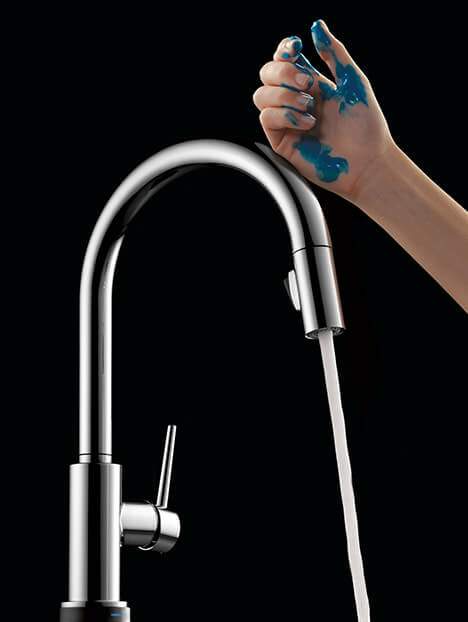
Credit: oltsw.com
Frequently Asked Questions
Why Is My Touch Faucet Not Responding?
Your touch faucet may have dead batteries or loose connections blocking power.
How Do I Reset A Touch Faucet?
Turn off the water supply, remove batteries, wait 10 seconds, then reinstall them.
Can Water Pressure Affect Touch Faucet Function?
Yes, low water pressure can cause the faucet sensor to stop working properly.
What Causes A Touch Faucet Sensor To Fail?
Dirt, water spots, or damaged sensors often cause the touch feature to stop working.
How Often Should I Change Touch Faucet Batteries?
Replace batteries every 6 to 12 months for reliable touch faucet performance.
Conclusion
A touch faucet not working can be frustrating. Check the batteries and wiring first. Clean the sensor gently to remove dirt. Make sure the water supply is on. Reset the faucet if it still fails. Small fixes often solve the problem quickly.
Regular care helps keep your faucet working. Don’t ignore signs of damage or wear. Taking simple steps saves time and money. Stay calm, and your faucet will work again soon.