
Is your GE washer making strange noises but refusing to spin? It’s frustrating when your laundry routine is interrupted by a machine that won’t work properly.
You might be wondering what’s causing the problem and how to fix it without calling a costly repair service. You’ll discover simple reasons why your GE washer isn’t spinning and making noise—and learn easy steps you can take to get it back to normal.
Keep reading to save time, money, and the hassle of dealing with a noisy, stuck washer.
Common Causes Of Washer Noise
Washing machines can make strange noises when they stop spinning. These sounds often signal common problems inside the washer. Knowing these causes helps you fix the issue faster. It also prevents more damage to your appliance.
Most noises come from parts that wear out or get stuck. Some problems stop the washer from spinning properly. Others cause loud rattling or grinding sounds. Here are the usual causes of washer noise that you should check first.
Worn Out Drive Belt
The drive belt moves the drum during the spin cycle. Over time, this belt can wear out or break. A worn belt may slip, causing noise and poor spinning. Replacing the belt often solves the problem quickly.
Damaged Motor Coupling
The motor coupling connects the motor to the transmission. This part can wear down or break with heavy use. A damaged coupling causes loud noises and stops the drum from spinning. It needs to be replaced to restore normal function.
Faulty Lid Switch
The lid switch stops the washer from spinning when the lid is open. If the switch fails, the washer may make noise but not spin. Testing and replacing the lid switch can fix this issue.
Obstructed Drain Pump
The drain pump removes water during the cycle. Objects like coins or small clothes can block the pump. A blocked pump makes a grinding sound and prevents spinning. Clearing the obstruction restores smooth operation.
Unbalanced Load Issues
Uneven loads cause the washer to shake and make noise. This happens when clothes bunch up on one side of the drum. Redistributing the load evenly stops the noise and helps the washer spin properly.
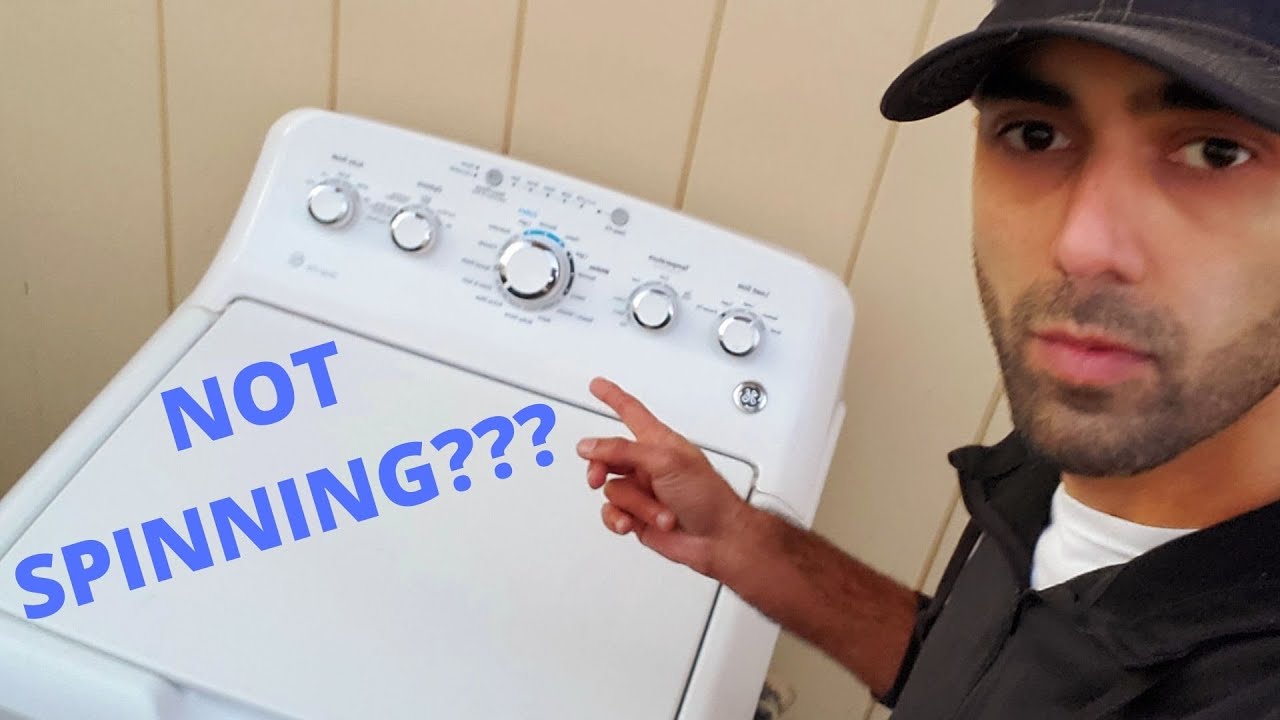
Credit: www.youtube.com
Diagnosing Spin Cycle Problems
Diagnosing spin cycle problems in a GE washer helps fix issues quickly. The spin cycle may stop or make noise due to simple faults. Checking key parts can reveal the cause. Understanding these checks saves time and money.
Checking For Error Codes
Many GE washers show error codes on the display. These codes tell what part has a problem. Write down any code you see. Look up the code in the user manual. This step guides the repair process clearly.
Inspecting The Drive Belt
The drive belt moves the drum during the spin cycle. Check if the belt is loose or broken. A worn belt makes noise or stops spinning. Replace the belt if it looks cracked or worn out. This is a common cause of spin failure.
Testing The Lid Switch
The lid switch stops spinning if the washer lid is open. Test the switch by pressing it down. If the washer does not spin with the lid closed, the switch may be faulty. Replace the lid switch to restore normal spinning.
Examining The Motor Coupling
The motor coupling connects the motor to the washer drum. It can break after heavy use or overload. Look for cracks or broken parts in the coupling. A damaged motor coupling causes noise and stops the spin cycle. Replace it to fix the issue.
Evaluating Load Distribution
Uneven clothes can cause the washer to stop spinning. Overloading or unbalanced loads make noise and vibration. Spread clothes evenly in the drum. Avoid putting too many items in one load. Proper load distribution helps the spin cycle work smoothly.
Simple Fixes To Try At Home
Facing a GE washer that won’t spin and makes noise can be frustrating. Many common problems have quick fixes you can try at home. These simple steps often solve the issue without needing a professional. Start with easy checks to save time and money.
Adjusting The Load
Overloading or uneven loads can stop the washer from spinning. Remove some clothes to balance the load. Spread items evenly around the drum. This helps the washer spin smoothly and reduces noise.
Replacing The Drive Belt
The drive belt moves the drum during the spin cycle. A worn or broken belt causes noise and no spinning. Unplug the washer, open the back panel, and check the belt. Replace it if it looks cracked or loose.
Cleaning The Drain Pump
A clogged drain pump can cause noise and stop spinning. Remove the pump filter and clean out any debris. Clear blockages to help water drain properly. This often fixes noise and spinning problems.
Resetting The Lid Switch
The lid switch stops the washer from spinning if the lid is open. A faulty switch can cause noise and no spin. Try closing and opening the lid firmly. Test the switch or replace it if needed.
Lubricating Moving Parts
Dry or rusty parts can cause noise during spinning. Apply a small amount of lubricant to moving parts. Focus on the motor shaft and drum bearings. This reduces friction and helps the washer spin quietly.

Credit: www.youtube.com
When To Call A Professional
Knowing when to call a professional for your GE washer is important. Some problems need expert help to fix safely and correctly. Attempting repairs without the right skills can cause more damage or risk injury. Understanding the signs that require a technician will save time and money.
Persistent Noise After Fixes
Noise that stays after you try simple fixes is a red flag. Tightening screws or cleaning parts may not solve deeper issues. Persistent sounds like grinding or banging show internal problems. A professional can find the root cause and fix it properly.
Motor Or Electrical Issues
Motor and electrical problems need expert attention. These parts control the washer’s spinning function. Faulty wiring or a broken motor can cause noise and stop the machine. Handling electrical components without training is risky. A technician has the right tools and knowledge.
Complex Mechanical Repairs
Some mechanical parts are hard to access and repair. Issues with the drum, belt, or transmission require skill. These parts work together and need careful adjustment. Professionals have experience with complex repairs and proper replacement parts. DIY attempts may lead to bigger problems.
Safety Precautions
Washers use electricity and moving parts that can cause injury. Always unplug the machine before checking anything. Avoid touching wires or motor components. Professionals follow safety rules and use protective gear. Calling an expert reduces the risk of accidents or damage.
Preventing Future Washer Problems
Preventing future problems with your GE washer helps save time and money. Simple care steps keep the machine running smoothly. Avoid loud noises and spinning issues with easy habits. Regular upkeep extends the life of your washer. Follow these tips to keep your washer in top shape.
Regular Maintenance Tips
Clean the washer drum and seals often. Remove lint, dirt, and detergent buildup. Check hoses for cracks or leaks. Tighten any loose parts to prevent noise. Run a cleaning cycle monthly using washer cleaner. These steps stop small problems from growing.
Proper Load Management
Do not overload the washer drum. Heavy or uneven loads cause noise and spinning issues. Balance clothes evenly inside the drum. Wash bulky items separately to avoid strain. Follow the load size limits in the manual. Correct loading protects the motor and bearings.
Using The Right Detergents
Choose detergents made for high-efficiency washers. Avoid too much detergent, which causes buildup. Use the recommended amount for each load. Harsh detergents can damage washer parts. Proper detergent keeps the washer clean and quiet.
Scheduling Professional Inspections
Have a technician check your washer yearly. Experts find hidden problems early. They clean internal parts and test the motor. Professional service ensures safe and quiet operation. Regular inspections prevent costly repairs later.

Credit: fleetappliance.com
Frequently Asked Questions
Why Is My Ge Washer Making Noise But Not Spinning?
A worn belt or motor issues often cause noise without spinning in GE washers.
How Can I Fix A Ge Washer That Won’t Spin?
Check for blockages, broken belts, or faulty lid switches to fix spinning issues.
What Causes A Ge Washer To Stop Spinning Mid-cycle?
Unbalanced loads or a faulty door lock can stop a GE washer mid-spin.
Can A Noisy Ge Washer Damage Clothes?
Yes, excessive noise may harm clothes if caused by loose parts or motor faults.
When Should I Call A Technician For My Ge Washer Noise?
Call a technician if noise persists after basic checks or if the washer won’t spin.
Conclusion
A GE washer that won’t spin and makes noise can be frustrating. Small problems often cause big issues. Check the belt, lid switch, and motor first. Tighten loose parts or replace broken ones. Regular care helps your washer last longer.
Don’t ignore strange sounds or stops. Fixing problems early saves time and money. You can keep your laundry running smoothly. Simple steps make a big difference. Stay calm and follow basic checks before calling for help. Your washer can work quietly again.