
If you’re a homeowner in Virginia, you know how important it is to keep your home comfortable year-round. But have you ever wondered if there’s a smarter way to heat and cool your space?
Heat pumps might be the answer you’ve been looking for. They can save you money, reduce energy use, and even make your home more eco-friendly. You’ll discover everything you need to know about heat pumps—how they work, why they’re a great fit for Virginia’s climate, and what to consider before making the switch.
Keep reading to learn how you can make your home more efficient and comfortable with the right heating and cooling solution.
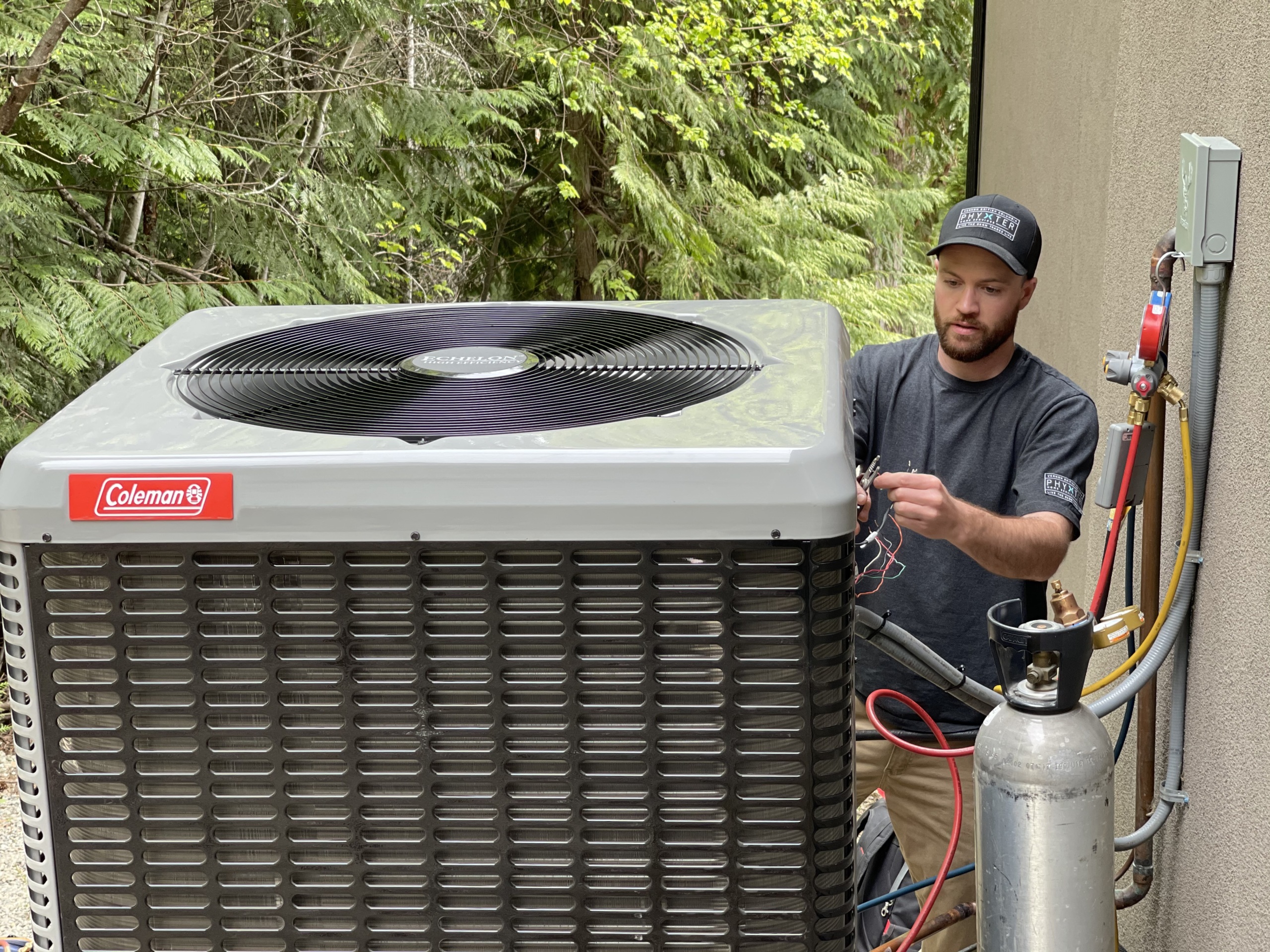
Credit: environmentamerica.org
Heat Pump Basics
Heat pumps are an efficient way to heat and cool your home. Many Virginia homeowners find them useful because they save energy and reduce bills. Understanding the basics of heat pumps helps you choose the best system for your needs. This section explains how heat pumps work, the types available, and how they compare to traditional HVAC systems.
How Heat Pumps Work
Heat pumps move heat instead of creating it. They pull heat from the outside air and bring it inside during winter. In summer, they reverse this process to cool your home. This movement uses less electricity than heating or cooling with traditional systems. The system uses a compressor and refrigerant to transfer heat efficiently.
Types Of Heat Pumps
There are several types of heat pumps. Air-source heat pumps are common and use outside air to heat or cool. Ground-source or geothermal heat pumps use the earth’s constant temperature for better efficiency. Ductless mini-split heat pumps work well in homes without existing ductwork. Each type suits different home designs and climates.
Heat Pumps Vs Traditional Hvac
Heat pumps use less energy than traditional HVAC systems. Traditional systems create heat by burning fuel or using electric resistance. Heat pumps move existing heat, making them more efficient. They also provide both heating and cooling in one unit. Maintenance can be simpler and costs lower over time.
Benefits Of Heat Pumps In Virginia
Heat pumps are a smart choice for Virginia homeowners. They offer many benefits that improve home comfort and lower bills. Understanding these benefits helps you make the best heating and cooling decision.
Energy Efficiency
Heat pumps use less energy than traditional heating systems. They move heat instead of creating it. This process uses less electricity, saving energy all year.
Virginia’s climate suits heat pumps well. They work efficiently in both cold and warm weather. This means less energy waste and lower utility bills.
Cost Savings
Lower energy use means smaller bills. Heat pumps reduce the cost of heating and cooling your home. They often pay for themselves over time.
Many local programs offer rebates for heat pump installation. These incentives can lower upfront costs. Saving money is easier with these financial helps.
Environmental Impact
Heat pumps produce fewer greenhouse gases than gas or oil heaters. Using less electricity reduces your home’s carbon footprint. This helps protect Virginia’s environment.
Cleaner energy means better air quality outside and inside your home. Choosing a heat pump supports a healthier planet for future generations.
Comfort And Air Quality
Heat pumps keep your home warm in winter and cool in summer. They provide steady temperatures without hot or cold spots.
These systems also filter and circulate air. This improves indoor air quality. Better air means a healthier living space for your family.
Climate Considerations For Virginia
Virginia’s climate plays a big role in choosing a heat pump. The state has a mix of hot summers and cold winters. Understanding this helps homeowners pick the best heating and cooling system. Heat pumps must work well all year round to keep homes comfortable and energy costs low.
Virginia’s Seasonal Weather
Virginia has hot and humid summers. Temperatures often rise above 85°F. Winters can be cold, with some areas experiencing snow and freezing temperatures. Spring and fall bring mild weather, but temperatures can change quickly. This variety affects how well heat pumps perform throughout the year.
Heat Pump Performance In Cold Weather
Heat pumps work by moving heat from outside to inside. Cold weather makes this harder because less heat is available outdoors. Some heat pumps lose efficiency below 25°F. Virginia’s mild winters mean many heat pumps still work well here. Choosing a model designed for colder climates can help during the coldest days.
Choosing The Right Heat Pump For Virginia
Select a heat pump with a good heating capacity for cold days. Look for models labeled “cold climate heat pumps.” These keep homes warm even when temperatures drop. Also, consider the unit’s energy efficiency ratings. A high rating means lower energy bills. Proper installation and regular maintenance improve performance too.
Installation And Maintenance
Installing and caring for a heat pump is important for its long life and good performance. Virginia homeowners should know what steps to take to get the best results. Proper installation and regular maintenance keep the system working efficiently and reduce repair costs.
Understanding the installation process and learning simple maintenance tips helps homeowners protect their investment. Knowing how to spot common issues early also saves time and money.
Finding Qualified Installers
Choose installers with experience in heat pump systems. Check for proper licenses and certifications. Ask for references from past customers. A skilled installer ensures the unit fits your home’s needs. They also follow safety rules and local codes. Never hire someone without proper credentials.
Installation Process
The installer begins by assessing your home’s size and insulation. They select the right heat pump size for efficiency. Installation includes placing the outdoor and indoor units carefully. Professionals connect electrical wiring and refrigerant lines. The system is tested to confirm it works well. Proper setup avoids future problems and high energy bills.
Routine Maintenance Tips
Clean or replace filters every 1 to 3 months. Keep outdoor units clear of leaves and debris. Check the thermostat settings regularly. Schedule professional tune-ups once a year. Inspect ducts for leaks and seal if needed. These actions improve airflow and reduce energy use. Regular care helps the heat pump last longer.
Common Issues And Troubleshooting
Watch for unusual noises or weak airflow. Check if the system cycles on and off too often. A dirty filter often causes poor performance. Ice buildup on the outdoor unit signals a problem. Low refrigerant levels need a professional fix. Early detection prevents costly repairs and keeps comfort high.
Financial Incentives And Rebates
Financial incentives and rebates can lower the cost of installing heat pumps in Virginia homes. These programs help homeowners save money upfront and reduce long-term expenses. Understanding available options helps you make smarter choices and better plan your budget.
Federal Tax Credits
The federal government offers tax credits for energy-efficient heat pumps. These credits cut the tax bill by a portion of the installation cost. Homeowners can claim up to 30% of the total expenses. The tax credit applies to both equipment and labor costs. This incentive encourages more people to choose energy-saving systems.
Virginia State Programs
Virginia provides state-level incentives for heat pump installations. These programs vary by region and may include rebates or tax reductions. Some local governments offer extra support to residents. Checking with state energy offices helps find the best deals. These programs make upgrading heating and cooling more affordable.
Utility Company Rebates
Many utility companies in Virginia give rebates to customers who install heat pumps. These rebates reduce the upfront price directly. They often require using approved contractors or specific equipment models. Utility rebates aim to lower energy consumption and peak demand. Contact your utility provider to learn about available offers.
Long-term Savings Calculation
Heat pumps save money by lowering energy bills over time. Calculate savings by comparing current heating costs with projected costs using a heat pump. Include maintenance and repair expenses in the calculation. Factor in the value of rebates and tax credits. This approach helps understand the real cost and benefits of the system.

Credit: westvirginiawatch.com
Making The Decision
Making the decision to install a heat pump is a big step for homeowners in Virginia. Understanding your home’s needs and the costs involved helps make the choice easier. This section guides you through key points to consider before changing your heating system.
Assessing Your Home’s Needs
Start by checking your home’s size and insulation quality. Larger homes may need a more powerful heat pump. Older houses might require extra insulation to keep energy costs low. Think about your daily heating and cooling needs, too. Some homes need more cooling in summer and more heating in winter. A heat pump works best when matched to your home’s specific conditions.
Comparing Costs And Benefits
Heat pumps cost less to run than many traditional systems. They use electricity efficiently to heat and cool. Initial installation can be higher than other systems. Savings come from lower energy bills over time. Also, heat pumps last long with proper care. Weigh upfront costs against future savings and comfort.
When To Replace Your Current System
Consider replacing your old system if repairs are frequent or costly. Older heating units use more energy and cost more to operate. A heat pump can offer better efficiency and comfort. Pay attention to your system’s age and condition. Replacement makes sense when maintenance costs add up or performance drops.
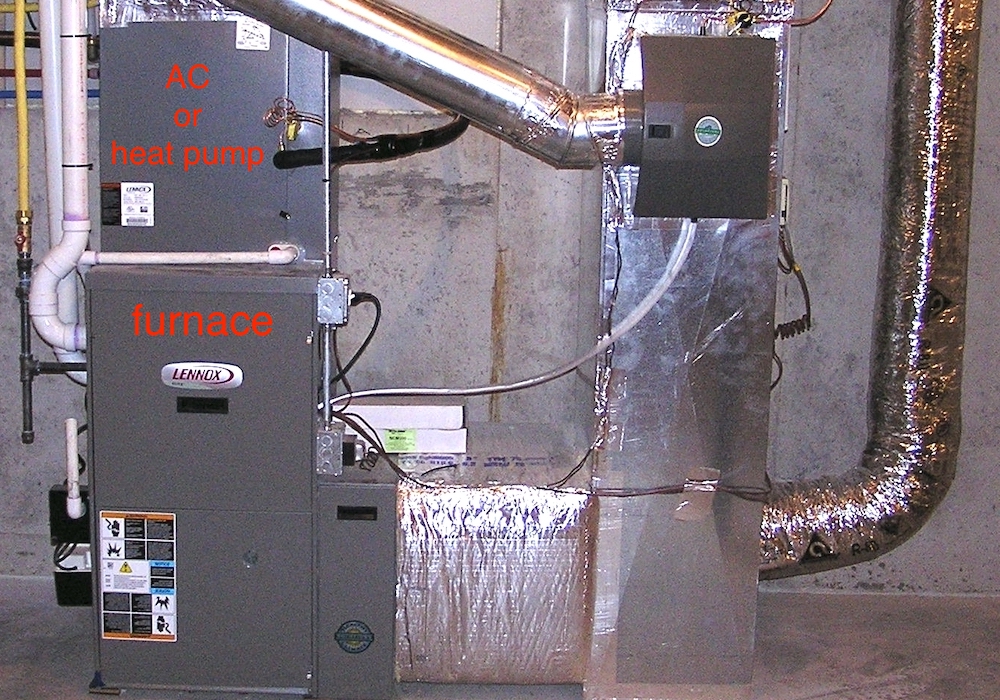
Credit: www.energyvanguard.com
Frequently Asked Questions
What Is A Heat Pump And How Does It Work In Virginia Homes?
A heat pump moves heat between indoors and outdoors to heat or cool your home efficiently.
Are Heat Pumps Energy Efficient For Virginia’s Climate?
Yes, heat pumps use less energy than traditional heaters and coolers in Virginia’s mild climate.
How Much Can Virginia Homeowners Save With A Heat Pump?
Heat pumps can cut heating and cooling costs by 30% to 50%, saving money yearly.
What Maintenance Do Heat Pumps Need In Virginia?
Regular filter cleaning and yearly professional checks keep heat pumps running well and last longer.
Can Heat Pumps Provide Enough Heat In Cold Virginia Winters?
Modern heat pumps work well even in cold weather, but very low temperatures may reduce efficiency.
Conclusion
Heat pumps offer an efficient way to heat and cool Virginia homes. They save energy and reduce bills over time. Choosing the right system depends on your home’s size and needs. Regular maintenance keeps your heat pump working well. Many homeowners find them quiet and easy to use.
Think about your local climate before deciding. Heat pumps can make your home comfortable year-round. Take time to research and ask a professional for advice. Small steps lead to big savings and comfort.