
If you’re a homeowner in Kansas, you know how quickly the seasons can change—from hot summers to chilly winters. Finding the right way to keep your home comfortable all year round can be tricky.
That’s where heat pumps come in. They offer a smart, energy-efficient way to heat and cool your home without breaking the bank. But before you decide if a heat pump is right for you, there are some important facts you need to know.
Keep reading to discover how heat pumps work, their benefits, and what to consider for your Kansas home. This knowledge could save you money and make your home more comfortable every day.

Credit: www.blueheatingandcooling.com
Heat Pump Basics
Heat pumps offer a smart way to heat and cool homes in Kansas. They move heat instead of creating it. This process uses less energy and saves money on bills. Understanding the basics helps homeowners decide if a heat pump fits their needs.
How Heat Pumps Work
Heat pumps transfer heat from outside to inside during winter. In summer, they move heat from inside to outside. This two-way system keeps your home comfortable all year. It uses a compressor and refrigerant to carry heat.
Types Of Heat Pumps
Air-source heat pumps are the most common. They pull heat from outside air. Ground-source or geothermal heat pumps use the earth’s stable temperature. Both types work well but have different installation costs and efficiency levels.
Heat Pumps Vs Traditional Hvac
Traditional HVAC systems create heat using fuel or electricity. Heat pumps move heat instead, using less energy. They can both heat and cool, but heat pumps often cost less to run. Heat pumps also reduce carbon emissions compared to many HVAC systems.
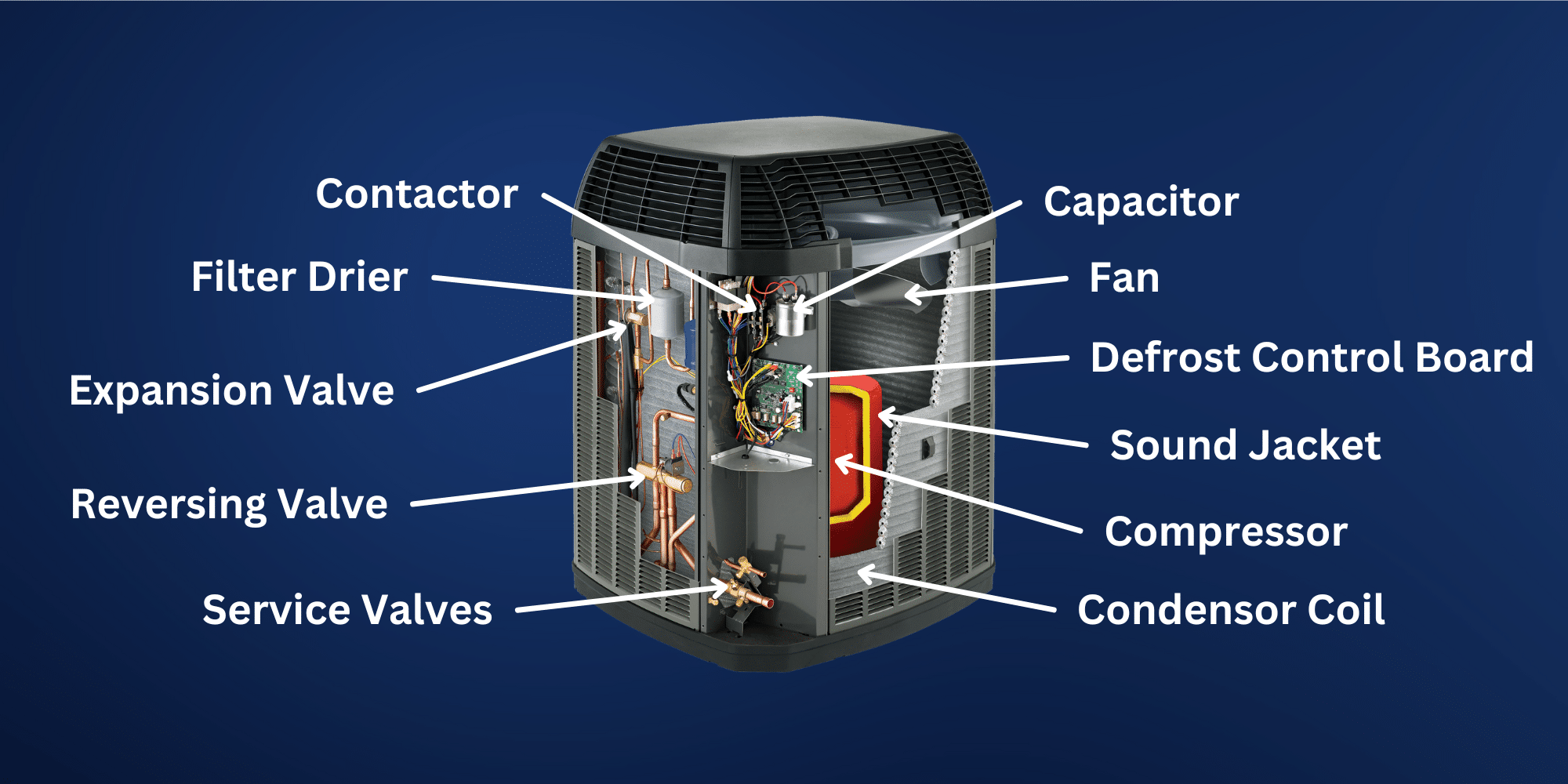
Credit: www.watkinsheating.com
Benefits For Kansas Homes
Heat pumps offer many benefits for homes in Kansas. They work well with the state’s changing weather. Homeowners can enjoy comfort and save money by using heat pumps. These systems provide efficient heating and cooling all year long.
Here are some key benefits that make heat pumps a smart choice for Kansas homes.
Energy Efficiency
Heat pumps use less electricity than traditional heating systems. They move heat instead of creating it. This process uses less energy and lowers your carbon footprint. Kansas homes can stay warm in winter and cool in summer without high energy use.
Cost Savings
Using less energy means lower utility bills. Heat pumps reduce heating and cooling costs significantly. They also require less maintenance than furnaces or air conditioners. Over time, these savings add up for homeowners.
Year-round Comfort
Heat pumps provide both heating and cooling in one system. They keep your home warm in cold months and cool in hot months. This creates a consistent and comfortable living space all year. No need for separate heating and cooling units.
Climate Considerations In Kansas
Kansas has a mix of hot summers and cold winters. This change in weather affects how heat pumps work. Understanding Kansas’s climate helps homeowners pick the right heat pump. It also helps keep homes comfortable all year.
Performance In Cold Winters
Kansas winters can be very cold, with temperatures often below freezing. Heat pumps work by pulling heat from outside air. When it gets too cold, they may need extra help. Some models come with backup heaters for very cold days. This keeps your home warm even in harsh winters.
Handling Hot Summers
Summers in Kansas are hot and dry. Heat pumps cool homes by moving heat outside. They work well in warm weather and save energy. Proper size and installation improve cooling in summer. This keeps your home cool and bills low.
Impact Of Humidity
Kansas humidity levels change through the year. High humidity can make homes feel hotter in summer. Heat pumps also reduce indoor humidity, improving comfort. Good ventilation helps control moisture inside your home. This stops mold and keeps air fresh.
Installation Insights
Installing a heat pump in a Kansas home involves careful planning. Proper installation ensures the system works efficiently and lasts long. Understanding key points helps homeowners make smart decisions.
Choosing The Right Size
Size matters for heat pumps. A unit too small will struggle to heat or cool the home. Too large wastes energy and costs more. Professionals calculate size based on home size and insulation. This step avoids discomfort and high bills.
Professional Installation Tips
Hiring a skilled installer is important. Experts know local climate needs and building codes. They place the unit where airflow is best. Proper sealing and connections prevent leaks. Regular communication with the installer ensures a smooth process.
Common Installation Challenges
Some challenges arise during installation. Space limits can restrict unit placement. Electrical upgrades may be necessary. Older homes might need ductwork changes. Weather and timing also affect installation. Planning ahead helps avoid delays and extra costs.
Maintenance And Longevity
Heat pumps offer efficient heating and cooling for Kansas homes. Proper care is key to keep them running well. Understanding maintenance and longevity helps homeowners avoid costly repairs. Regular checks and timely fixes improve performance and extend lifespan.
Routine Maintenance Tasks
Clean or replace air filters every month. Dust and dirt block airflow and reduce efficiency. Clear debris from outdoor units to ensure proper air intake. Check refrigerant levels to maintain cooling power. Schedule professional inspections yearly to catch small issues early.
Signs Of Wear And Repair Needs
Listen for unusual noises like rattling or buzzing. These sounds often indicate loose parts or motor problems. Watch for uneven heating or cooling in rooms. This may signal a failing compressor or airflow issue. Notice increased energy bills without usage changes. It often means the heat pump is working harder than normal.
Extending Heat Pump Lifespan
Keep the area around the heat pump clean and clear. Avoid blocking vents and outdoor units with furniture or plants. Use a programmable thermostat to reduce strain during extreme temperatures. Fix small problems immediately to prevent bigger damage. Regular maintenance and care can make your heat pump last over 15 years.

Credit: 1stchoicemechanicalaz.com
Cost And Incentives
Understanding the cost and incentives of heat pumps helps Kansas homeowners make smart choices. Heat pumps have upfront costs but also offer savings over time. Various rebates and tax credits can reduce the initial price. Knowing these details can guide your decision and budget.
Initial Investment Breakdown
The cost of a heat pump includes the unit price and installation fees. Prices vary by size, model, and efficiency. Installation depends on your home’s layout and existing systems. Expect to pay between $3,500 and $7,500 for most systems. Extra costs may arise for ductwork or electrical upgrades.
Available Rebates And Tax Credits
Kansas offers rebates to lower heat pump costs. Local utilities may provide discounts or cash back. Federal tax credits can cover a portion of the purchase and installation. These incentives often reduce costs by hundreds or thousands of dollars. Check current programs before buying to get the best deals.
Long-term Financial Benefits
Heat pumps use less energy than traditional heating and cooling. This efficiency lowers monthly utility bills significantly. Many homeowners see savings that pay off the initial cost in a few years. Maintenance costs for heat pumps are usually low. Investing in a heat pump can boost your home’s value too.
Common Myths Debunked
Heat pumps have many myths around them. These myths can confuse homeowners in Kansas. Understanding the truth helps you make better decisions. Let’s clear up some common misunderstandings.
Heat Pumps And Cold Weather
Some people think heat pumps don’t work well in cold weather. This is not true. Modern heat pumps are built to handle cold Kansas winters. They extract heat even from cold air outside. They keep your home warm and cozy.
Noise Levels
Many believe heat pumps are noisy. Actually, most heat pumps run quietly. New models operate with low noise, similar to a refrigerator. This makes them good for neighborhoods and homes.
Effectiveness Compared To Other Systems
There is a myth that heat pumps are less effective than traditional heating or cooling systems. Heat pumps are very efficient. They use less energy to heat and cool your home. They can save money on utility bills over time.
Frequently Asked Questions
What Is A Heat Pump And How Does It Work In Kansas Homes?
A heat pump moves heat from outside to inside your home. It heats in winter and cools in summer.
Are Heat Pumps Energy Efficient For Kansas Weather Conditions?
Yes, heat pumps save energy by using less electricity than traditional heaters or air conditioners.
Can Heat Pumps Handle Cold Kansas Winters Effectively?
Modern heat pumps work well even in cold temperatures common in Kansas winters.
How Much Can Kansas Homeowners Save Using Heat Pumps?
Heat pumps lower energy bills by using less power, saving homeowners money over time.
What Maintenance Do Heat Pumps Need In Kansas?
Regular filter cleaning and annual check-ups keep heat pumps running smoothly and efficiently.
Conclusion
Heat pumps offer a smart way to heat and cool Kansas homes. They save energy and reduce bills. Maintenance is simple but important for long life. Choosing the right size and type matters most. Local climate fits well with heat pump use.
Homeowners gain comfort and lower costs by understanding these facts. Thinking about heat pumps? Now you know what to expect.