
Are you frustrated because your dusk to dawn light bulb isn’t working the way it should? Maybe it won’t turn on at night or stays lit during the day, causing unnecessary power use.
These problems can be confusing and annoying, especially when you rely on these bulbs for safety and convenience. You’ll discover the common issues that cause dusk to dawn light bulb problems and simple solutions you can try right now. Keep reading to make sure your outdoor lighting works perfectly every time the sun sets.
Credit: help.feit.com
Common Dusk To Dawn Bulb Issues
Dusk to dawn light bulbs offer convenience and security by turning on automatically at dusk. These bulbs use sensors to detect light levels and switch on or off accordingly. Despite their benefits, these bulbs can develop common problems. Understanding these issues helps in quick troubleshooting and better use.
Bulb Not Turning On At Dusk
The bulb may fail to turn on if the sensor is blocked or dirty. Dirt or leaves can cover the sensor and stop it from detecting darkness. Another cause could be faulty wiring or a power supply problem. Sometimes, the bulb itself might be defective or burned out.
Light Staying On All Night
The light staying on all night means the sensor is not detecting daylight properly. This can happen if the sensor is damaged or facing a light source. Strong nearby lights like street lamps can confuse the sensor. A wrong setting on the bulb or timer can also cause this issue.
Flickering Or Intermittent Lighting
Flickering bulbs often signal loose connections or poor wiring. The bulb may not be fully screwed in, causing power cuts. Sometimes, the sensor reacts to passing shadows or headlights, causing flickering. Using a low-quality bulb can also lead to intermittent lighting.
Bulb Burns Out Quickly
Quick bulb failure happens due to voltage spikes or poor-quality bulbs. Constant switching on and off stresses the bulb and shortens its life. Overheating can occur if the bulb is in a closed fixture without ventilation. Using a bulb not designed for dusk to dawn use can also cause fast burnout.
Sensor Not Detecting Darkness
The sensor may fail to detect darkness if it is dirty or covered. Bright artificial lights near the sensor confuse it and prevent activation. Incorrect installation position can cause the sensor to face bright areas. A malfunctioning sensor or internal damage will stop it from working properly.
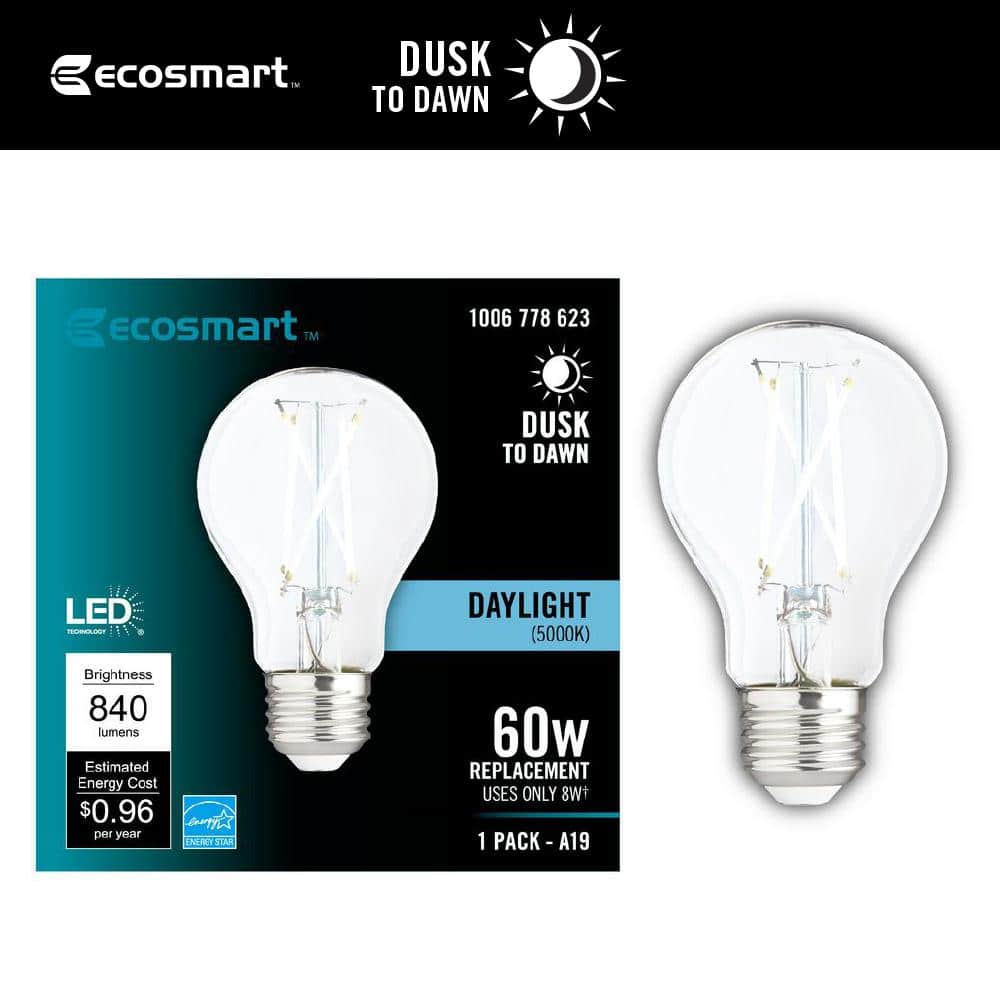
Credit: www.homedepot.com
Causes Behind Malfunctions
Dusk to dawn light bulbs rely on sensors and electrical parts to work correctly. Several issues can cause these bulbs to malfunction. Understanding common causes helps with quick fixes and better maintenance. Below are key reasons why these bulbs may fail.
Sensor Obstruction Or Dirt
The sensor detects light levels to turn the bulb on or off. Dirt, spider webs, or leaves can block the sensor. This blockage stops the bulb from sensing darkness or daylight. Cleaning the sensor often restores proper function.
Incorrect Bulb Type
Using the wrong bulb can cause problems. Dusk to dawn lights need bulbs that support sensor use. Regular bulbs may not work well and can burn out quickly. Always choose bulbs made for dusk to dawn fixtures.
Wiring Problems
Loose or damaged wires disrupt the power flow. Faulty wiring can cause flickering or no light at all. Check connections and repair any broken wires for steady operation.
Timer Or Sensor Calibration Errors
Some bulbs allow manual timer or sensor adjustments. Wrong settings can cause the light to stay on or off at wrong times. Adjust the timer or sensor to match your local sunset and sunrise times.
Power Supply Fluctuations
Electricity supply changes can affect bulb performance. Voltage spikes or drops may cause the bulb to fail or flicker. Stable power supply ensures consistent light operation.
Simple Fixes To Try
Simple fixes can often solve dusk to dawn light bulb problems quickly. These lights depend on sensors and power to work correctly. Small issues like dirt, wrong bulbs, or wiring can stop them from working. Trying a few easy steps can save time and money. Here are some practical fixes to try before calling a professional.
Cleaning The Sensor Lens
Dirt and dust can block the sensor lens. This stops the light from detecting darkness correctly. Use a soft cloth to wipe the lens gently. Avoid harsh cleaners that can damage the surface. Clean the lens every few months for best results.
Replacing With Compatible Bulbs
Not all bulbs work with dusk to dawn fixtures. Use bulbs recommended by the manufacturer. Check the wattage and type before buying. Using the wrong bulb can cause flickering or no light at all. Always replace bulbs with the right match.
Resetting The Sensor Settings
Sensors may need a reset after power outages or changes. Find the reset button or switch on the fixture. Hold it for a few seconds to restart the sensor. This can fix incorrect timing or sensitivity issues. Follow the user manual for exact steps.
Checking And Repairing Wiring
Loose or damaged wires can stop the light from working. Turn off power before checking any wiring. Look for frayed wires or loose connections. Tighten screws and replace damaged wires if needed. Fixing wiring problems improves light reliability.
Testing Power Source Stability
Unstable power can cause the light to fail. Use a voltage tester to check the power supply. Fluctuations or low voltage can damage the sensor. Contact an electrician if power issues persist. Stable power ensures the light works all night.

Credit: sunco.com
Preventive Tips For Longevity
Keeping dusk to dawn light bulbs working longer saves money and hassle. Small steps help avoid common problems. Follow simple tips to extend bulb life and maintain brightness. These tips improve safety and ensure your lights work when needed.
Regular Maintenance Schedule
Check bulbs and fixtures every few months. Clean dirt and dust from the bulb surface. Dust blocks light and causes overheating. Replace bulbs that flicker or dim. Tighten loose connections to avoid sparks and outages.
Choosing Quality Bulbs
Pick bulbs made for dusk to dawn use. Look for durable materials and good ratings. Cheap bulbs often burn out quickly. Quality bulbs resist weather and last longer. They provide steady light throughout the night.
Proper Installation Practices
Install bulbs according to the instructions. Avoid touching bulbs with bare hands. Oils from skin reduce bulb life. Use proper fixtures that fit bulbs well. Secure wiring to prevent shorts and damage.
Protecting From Weather Elements
Use weatherproof covers for outdoor lights. Keep bulbs safe from rain and snow. Moisture causes bulbs to fail early. Seal fixtures to stop water entry. Shield bulbs from strong wind and debris.
Upgrading To Advanced Sensors
Choose bulbs with better sensor technology. New sensors adjust brightness to save energy. They detect light changes more accurately. Advanced sensors reduce false on/off cycles. This helps bulbs last longer and work better.
When To Call A Professional
Knowing when to call a professional for dusk to dawn light bulb problems saves time and avoids bigger issues. Some problems need expert attention for safety and proper repair. Recognizing these signs helps you act fast and keep your lights working well.
Persistent Sensor Failures
Sensors that keep failing after resets need professional help. The sensor controls the light’s on and off function. A faulty sensor may cause lights to stay on or off at wrong times. Experts can test and replace sensors correctly.
Complex Electrical Issues
Electrical wiring problems can be tricky and dangerous. Flickering lights or power loss may signal wiring faults. Professionals know how to check circuits and fix wiring safely. Avoid handling complex electrical tasks yourself.
Bulb Replacement Challenges
Some dusk to dawn bulbs are hard to reach or fit. If you struggle to replace bulbs, a professional can help. They have tools and skills to change bulbs without damage. This ensures your light works properly afterward.
Safety Concerns During Repairs
Working with electricity carries risks of shocks or injury. Professionals follow safety rules and use proper gear. If you feel unsure or unsafe, call a technician. Safety should always come first when fixing lights.
Frequently Asked Questions
Why Does My Dusk To Dawn Light Bulb Not Turn On?
Check the power source and wiring. Faulty sensors or a dead bulb can cause this issue.
How To Fix A Dusk To Dawn Bulb Flickering Problem?
Flickering often results from loose connections or voltage issues. Tighten fittings and test the power supply.
Can Weather Affect Dusk To Dawn Light Bulb Performance?
Yes, extreme cold or heat can impact sensor function and bulb lifespan.
Why Does My Dusk To Dawn Bulb Stay On All Day?
This may happen due to sensor blockage or malfunction. Clean the sensor and ensure proper placement.
How Long Do Dusk To Dawn Light Bulbs Usually Last?
Most bulbs last between 10,000 to 25,000 hours, depending on quality and usage conditions.
Conclusion
Dusk to dawn light bulbs can face common issues like flickering or not turning on. Simple checks often fix these problems quickly. Make sure the bulb fits well and the sensor is clean. Weather and wiring can also affect performance.
Regular maintenance helps bulbs work longer and save energy. Understanding these tips keeps your lights bright all night. Stay aware, and your dusk to dawn bulbs will serve you well. Problems do not have to mean a full replacement. Small fixes go a long way.