
Is your chest freezer not working in your garage? You rely on that extra storage to keep your food fresh and safe, so when it stops cooling properly, it’s more than just an inconvenience.
You might be worried about spoiled groceries or expensive repairs. Don’t panic just yet. Understanding why your freezer struggles in the garage can help you fix the problem faster and save you money. Keep reading to discover the common reasons behind this issue and what you can do to get your freezer back to perfect working order.
Common Garage Challenges
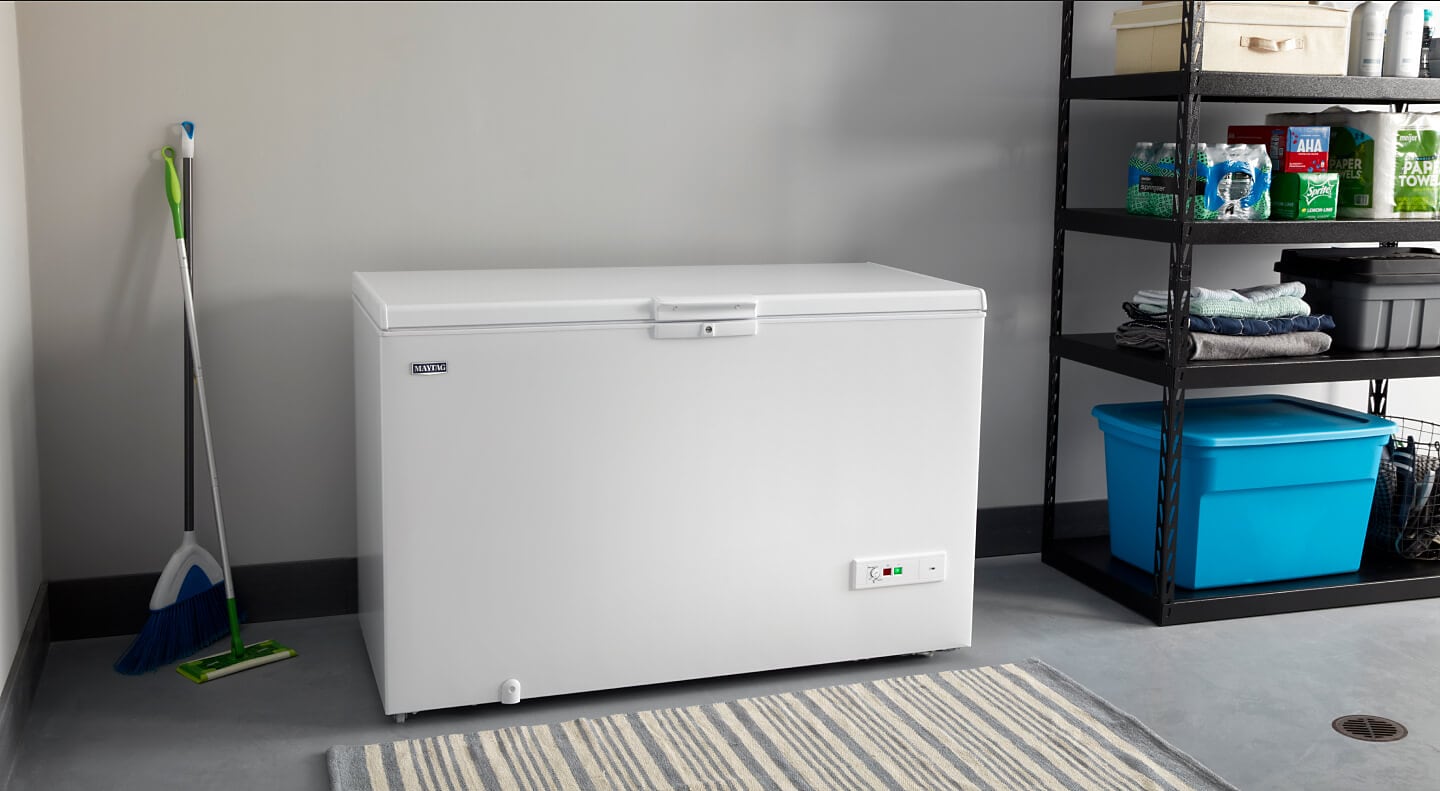
Garages seem like a good place to store chest freezers. They save indoor space and keep things handy. But garages have unique problems that can stop freezers from working well. Understanding these common challenges helps keep your freezer running smoothly.
Many factors in a garage affect a chest freezer’s performance. These include temperature changes, moisture, and electrical issues. Each problem can cause the freezer to stop cooling properly.
Temperature Extremes
Garages often face very hot summers and cold winters. Chest freezers are made to work best in stable indoor temperatures. Extreme heat makes the freezer work harder and may cause it to overheat. Cold temperatures can stop the freezer from freezing food fully. Temperature swings stress the freezer’s motor and parts.
Humidity Effects
Garages can be damp and humid. Moisture builds up inside and outside the freezer. This causes frost and ice to form faster. Too much frost blocks air vents and reduces cooling. Humidity also leads to rust and damage on metal parts. Moisture problems shorten the freezer’s life and waste energy.
Power Supply Issues
Garage outlets may not deliver steady power. Old wiring or overloaded circuits cause power cuts or fluctuations. Chest freezers need stable electricity to run compressors and fans. Power problems can cause the freezer to stop or start frequently. This wears out parts and raises electricity bills.
Credit: www.maytag.com
Diagnosing Freezer Problems
Diagnosing problems with a chest freezer in a garage can be simple. Many issues come from easy-to-fix causes. You can check a few key areas before calling a professional. This saves time and money. Start by looking at power and connections, door seals, and thermostat settings. These steps often reveal the problem.
Check Power And Connections
Make sure the freezer is plugged in tightly. Look at the power cord for any damage. Try plugging the freezer into a different outlet. Check the circuit breaker for any tripped switches. A loose or faulty connection can stop the freezer from working.
Inspect Door Seals
Look at the rubber seals around the freezer door. They should be clean and free from cracks. A bad seal lets warm air in and cold air out. This makes the freezer work harder or stop cooling. Press the door closed and see if it feels tight all around.
Evaluate Thermostat Settings
Find the thermostat inside the freezer. Check if it is set to the right temperature. Most freezers work best between -10°F and 0°F. Turn the dial slightly colder if the freezer is too warm. Avoid setting it too cold to save energy and prevent frost build-up.
Quick Fixes To Try
When a chest freezer stops working in a garage, quick fixes can save time and money. Some issues are simple and can be fixed without a technician. Trying easy steps first helps find the problem fast. These fixes keep your freezer running and your food safe.
Adjust Freezer Placement
Place the freezer away from direct sunlight and heat sources. Leave space around the freezer for air to flow. Avoid putting it in tight corners or against walls. Proper placement stops overheating and helps the freezer cool well.
Clean Condenser Coils
Dust and dirt on condenser coils block airflow. Unplug the freezer before cleaning. Use a brush or vacuum to remove debris from coils. Clean coils improve cooling and lower energy use. Do this every few months for best results.
Replace Faulty Parts
Faulty parts cause many freezer problems. Check the thermostat for proper settings and damage. Listen for strange noises from the compressor or fans. Replace broken seals or worn-out components. Replacing parts can restore freezer function quickly.
Preventive Measures
Preventive measures help keep your chest freezer working well in the garage. These steps protect the freezer from damage caused by cold, heat, or moisture. Following simple tips can save money on repairs and extend the freezer’s life.
Garage Insulation Tips
Insulate your garage walls and ceiling. This keeps the temperature steady and avoids extreme cold or heat. Use foam boards or fiberglass insulation. Seal gaps around windows and doors. Proper insulation reduces stress on the freezer’s compressor.
Regular Maintenance Routines
Clean the freezer coils every few months. Dust and dirt block airflow and cause overheating. Check door seals for cracks or leaks. Replace damaged seals to keep cold air inside. Defrost the freezer if ice builds up too much.
Using A Temperature Monitor
Place a thermometer inside the freezer. Track the temperature regularly to spot problems early. Use a digital monitor with alerts if the temperature changes. This helps maintain the correct freezing conditions and protects your food.
When To Call A Professional
Chest freezers in garages face unique challenges. Cold temperatures or moisture can affect their performance. Some problems are easy to fix. Others need expert help. Knowing when to call a professional saves time and money. It prevents further damage too.
Identifying Complex Issues
Simple issues include frost build-up or a power problem. Complex issues involve the compressor, thermostat, or sealed system. These parts need special tools and skills to fix. Strange noises or no cooling signal complex problems. Professionals can diagnose these quickly. Avoid guessing or trying risky repairs.
Cost Vs. Repair Benefits
Weigh repair costs against replacement price. Minor fixes are cheaper and worth doing. Major repairs might cost more than a new freezer. Professionals provide accurate estimates before work starts. They help you decide the best option. Repairing extends freezer life but consider age and condition.
Finding Reliable Technicians
Choose technicians with experience in chest freezers. Read reviews and ask for recommendations. Verify licenses and insurance for safety. Clear communication is important. A good technician explains problems and repair steps. Timely service avoids food spoilage and inconvenience.

Credit: www.maytag.com
Credit: www.homedepot.com
Frequently Asked Questions
Why Is My Chest Freezer Not Cooling In The Garage?
Cold garages can cause freezers to work poorly. Low temperatures affect the compressor’s function.
Can Garage Temperature Affect Chest Freezer Performance?
Yes, extreme cold or heat in garages can stop freezers from working well.
How To Fix A Chest Freezer Not Working In Garage?
Check the temperature, clean coils, and ensure proper ventilation around the freezer.
Should I Use A Garage Freezer In Winter?
A garage freezer may stop working in cold winter. Use a model made for cold areas.
Does Insulation Help Chest Freezer In A Garage?
Insulation keeps the freezer warmer in cold garages, helping it run better and save energy.
Conclusion
A chest freezer not working in a garage can cause stress. Cold or hot garage temperatures may affect its function. Check the power supply and thermostat settings first. Clean the coils to help it run better. Make sure the garage is dry and well-ventilated.
Small fixes often solve the problem quickly. Keep your freezer in good shape to protect your food. Regular care helps avoid future troubles. Stay patient and follow these simple steps. Your freezer can work well again soon.