
If you’re a homeowner in Ohio, you’ve probably heard about heat pumps as a way to keep your home comfortable year-round. But what exactly are heat pumps, and how can they benefit you?
Understanding how heat pumps work and why they’re a smart choice for Ohio’s climate could save you money and improve your home’s energy efficiency. You’ll discover everything you need to know about heat pumps—so you can make the best decision for your home and your wallet.
Keep reading to find out how this technology might change the way you heat and cool your house.
Benefits Of Heat Pumps
Heat pumps offer many benefits for Ohio homeowners. They provide a smart way to heat and cool homes efficiently. Using a heat pump can lower energy use and help save money. These systems work well year-round, even in Ohio’s cold winters and warm summers. Understanding their advantages helps homeowners make informed choices for their comfort and budget.
Energy Efficiency
Heat pumps use electricity to move heat, not create it. This process uses less energy than traditional heating systems. They can heat and cool your home with less power. This efficiency reduces your home’s overall energy consumption. It helps keep utility bills lower during all seasons.
Cost Savings
Heat pumps lower monthly energy bills due to their efficiency. They reduce the need for separate heating and cooling systems. Installation costs can be offset by long-term savings. Many Ohio homeowners see a return on investment within a few years. Maintenance costs are generally lower than those for furnaces or air conditioners.
Environmental Impact
Heat pumps produce fewer greenhouse gases than fossil fuel systems. They reduce your carbon footprint by using less energy. This helps protect the environment and improve air quality. Using a heat pump supports cleaner, sustainable energy use. It is a practical choice for eco-conscious homeowners.
Types Of Heat Pumps
Heat pumps come in different types. Each type works in a special way. Knowing these types helps Ohio homeowners pick the right system. The choice depends on climate, budget, and home setup.
Air Source Heat Pumps
Air source heat pumps move heat between the outside air and your home. They work well in moderate climates. These pumps are easier to install. They save energy by using outside air for heating and cooling.
Ground Source Heat Pumps
Ground source heat pumps use the earth’s constant temperature. Pipes buried in the ground carry heat to and from your home. These pumps are very efficient and last long. Installation costs are higher but energy savings can be big.
Hybrid Heat Pumps
Hybrid heat pumps combine a heat pump with a furnace. This system switches between the two for best efficiency. It uses the heat pump in mild weather. The furnace works better in very cold weather. Hybrid pumps give reliable comfort all year.
Heat Pumps And Ohio Climate
Ohio’s climate has cold winters and warm summers. This mix affects how heat pumps work in homes. Heat pumps can save energy but work differently in Ohio’s weather. Understanding their performance helps homeowners choose the best heating and cooling option.
Performance In Cold Weather
Heat pumps pull heat from outside air to warm homes. In very cold weather, less heat is available outside. This can reduce the heat pump’s ability to warm the house. Some models work better in cold than others. Ohio winters may need a heat pump made for low temperatures.
Seasonal Efficiency
Heat pumps use less energy than traditional heaters in mild weather. They switch between heating and cooling modes for year-round comfort. In Ohio, spring and fall temperatures help heat pumps run efficiently. Summer cooling with a heat pump saves electricity compared to air conditioners.
Supplemental Heating Needs
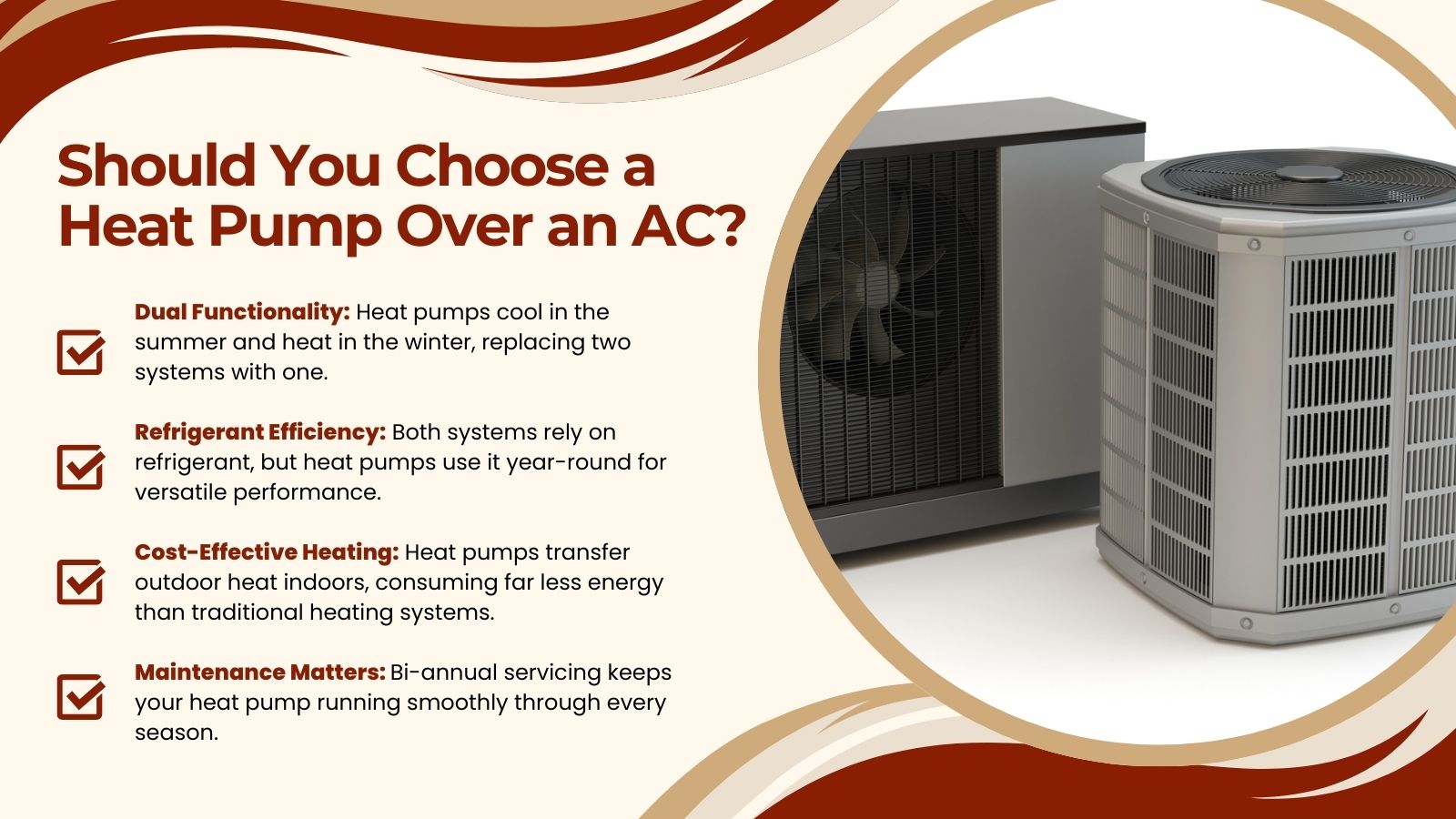
Cold snaps in Ohio might require extra heat. Heat pumps often include backup electric heaters. These turn on if the heat pump cannot keep up. Homeowners should consider this when choosing a system. Supplemental heat keeps homes warm and comfortable during the coldest days.
Credit: www.crowngroupohio.com
Installation Considerations
Installing a heat pump in an Ohio home requires careful planning. Proper installation affects comfort, efficiency, and costs. Homeowners should focus on key factors to ensure the system works well all year.
Sizing And Capacity
Choosing the right size heat pump matters most. A unit too small cannot heat or cool your home properly. A unit too large wastes energy and increases bills. Experts calculate size based on home size, insulation, and climate. Correct sizing means better comfort and lower energy costs.
Professional Installation
Heat pump installation needs skill and knowledge. Professionals know how to place the unit for best airflow and efficiency. They handle electrical connections safely and follow manufacturer rules. Proper installation helps avoid future repairs and keeps warranties valid. Trust trained technicians for reliable results.
Permits And Regulations
Ohio requires permits for heat pump installation. These ensure safety and code compliance. Local rules may vary between cities and counties. A licensed installer usually obtains permits for you. Following regulations prevents fines and inspection issues later.
Maintenance Tips
Maintaining a heat pump in Ohio is key to keeping it efficient and long-lasting. Regular care helps avoid costly repairs and keeps your home comfortable year-round. Simple steps make a big difference in performance and energy use.
Regular Inspections
Check your heat pump at least twice a year. Look for signs of wear or damage. Listen for unusual noises or vibrations. Clear any debris or leaves around the outdoor unit. This helps air flow freely and prevents overheating.
Filter Replacement
Replace or clean filters every one to three months. Dirty filters block air flow and reduce efficiency. Use the right filter size and type for your unit. Clean filters improve air quality inside your home too.
Troubleshooting Common Issues
Watch for uneven heating or cooling in rooms. Check the thermostat settings and batteries. Make sure the outdoor unit is free of ice in winter. Reset the system if it stops working. For persistent problems, call a professional technician.
Financial Incentives
Installing a heat pump in Ohio can be a smart investment. Financial incentives make it easier to afford this energy-efficient system. These savings help reduce the upfront cost and lower your monthly energy bills.
Many programs aim to encourage homeowners to switch to cleaner heating and cooling options. Understanding these incentives helps you make the best choice for your home and budget.
State And Local Rebates
Ohio offers various rebates for heat pump installations. These come from state and local government programs. Rebates can cover part of the installation cost. Check with your city or county office for available offers. Act quickly as funds may run out fast.
Federal Tax Credits
The federal government provides tax credits for energy-saving home improvements. Heat pumps often qualify for these credits. You can claim a percentage of the cost on your tax return. This reduces the amount of tax you owe. Keep receipts and proper documentation for the best results.
Utility Company Programs
Many utility companies in Ohio provide special programs for heat pump customers. These might include rebates or discounted installation services. Some utilities offer energy audits to help you choose the right system. Contact your electric or gas provider for details. These programs help lower your energy costs over time.
Choosing The Right Heat Pump
Choosing the right heat pump is important for Ohio homeowners. The correct unit saves money and keeps your home comfortable year-round. Several factors affect this choice, such as house size, climate, and budget. Understanding these details helps you pick a heat pump that fits your needs.
Evaluating Home Needs
Start by assessing your home’s size and insulation. Larger homes need more powerful heat pumps. Check how well your home holds heat during cold months. Consider the layout and number of rooms. These details affect the heat pump’s capacity and efficiency.
Comparing Brands And Models
Not all heat pumps perform the same. Look at energy ratings and user reviews. Some brands offer better warranties or service plans. Compare the noise levels and maintenance needs of different models. Choose a model that balances price and quality.
Consulting With Experts
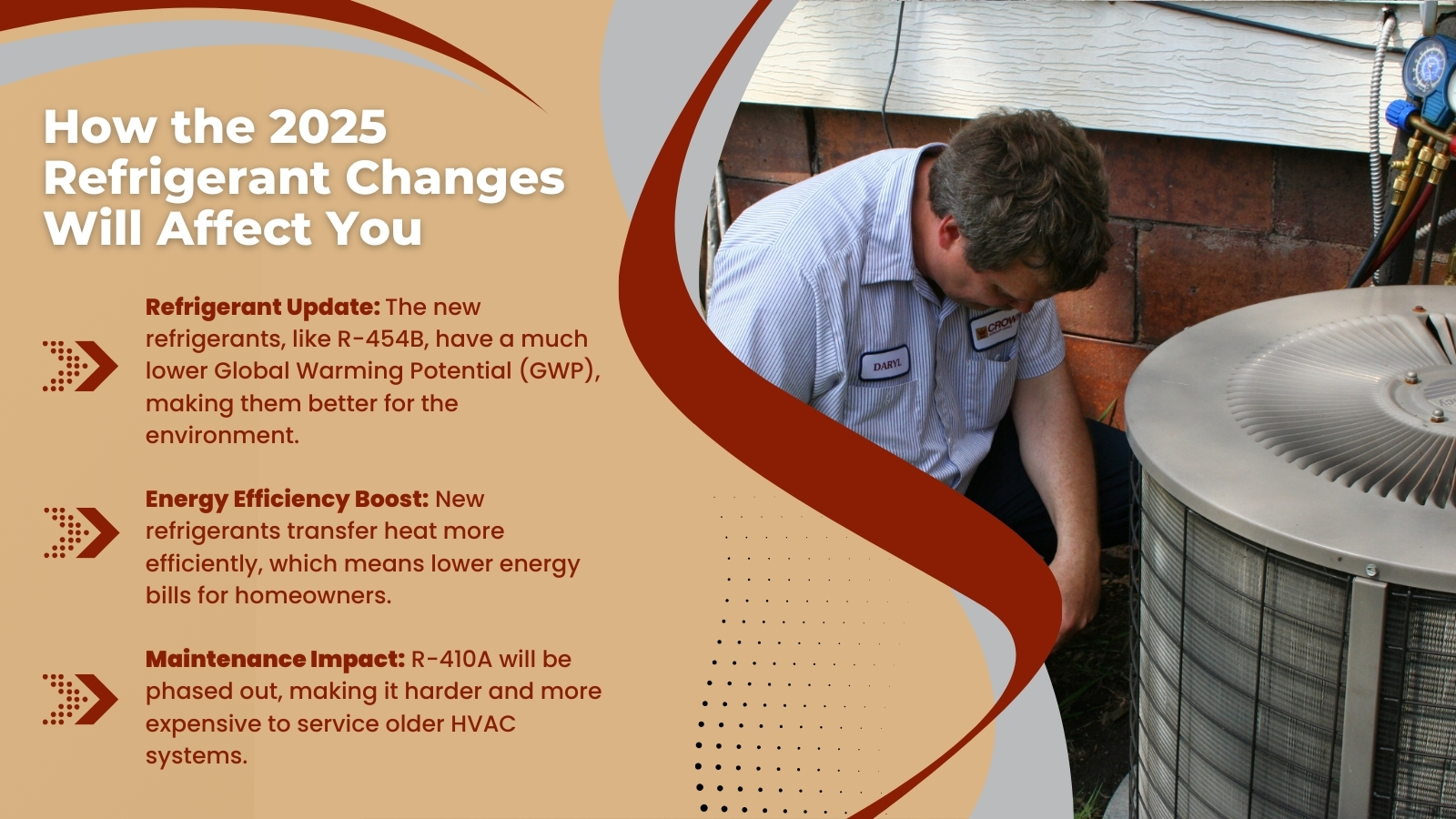
Talk to HVAC professionals for personalized advice. They can inspect your home and recommend suitable options. Experts know local climate challenges and can guide your choice. Professional installation ensures the system works efficiently and lasts longer.
Credit: www.crowngroupohio.com

Credit: indoortemp.com
Frequently Asked Questions
What Is A Heat Pump And How Does It Work In Ohio?
A heat pump moves heat from outside to inside your home for heating and cooling.
Are Heat Pumps Cost-effective For Ohio Homeowners?
Heat pumps save energy and lower bills by using less electricity than traditional heaters.
Can Heat Pumps Handle Ohio’s Cold Winters?
Modern heat pumps work well in cold climates and keep homes warm during winter.
How Long Does A Heat Pump Last In Ohio Homes?
A heat pump typically lasts 10 to 15 years with regular maintenance.
What Maintenance Do Ohio Homeowners Need For Heat Pumps?
Regular filter changes and annual professional check-ups keep heat pumps running efficiently.
Conclusion
Heat pumps offer efficient heating and cooling for Ohio homes. They save energy and lower utility bills. Choosing the right system depends on your home’s size and needs. Proper installation ensures the best performance and comfort. Regular maintenance keeps your heat pump working well for years.
Understanding these basics helps you make smart choices. Stay warm in winter and cool in summer with ease. Heat pumps bring reliable comfort throughout the year. Consider your options carefully before making a decision.