
If you’re a homeowner in Florida, you know how important it is to keep your home comfortable year-round. Heat pumps can be a smart solution to help with both heating and cooling, but there are some key things you need to understand before making a decision.
This isn’t just about saving money on energy bills—it’s about choosing the right system that fits your home and lifestyle. Keep reading to discover what you should know about heat pumps, so you can make the best choice for your comfort and wallet.

Credit: www.scottsair.com
Heat Pumps Basics
Heat pumps are a popular choice for many Florida homeowners. They provide both heating and cooling in one system. Understanding the basics helps you make smart decisions for your home comfort. Heat pumps save energy by moving heat rather than creating it. This makes them efficient and cost-effective.
They work well in Florida’s mild climate. Knowing how they operate and their types will help you pick the right one. Comparing heat pumps to traditional HVAC systems also shows their benefits and limitations.
How Heat Pumps Work
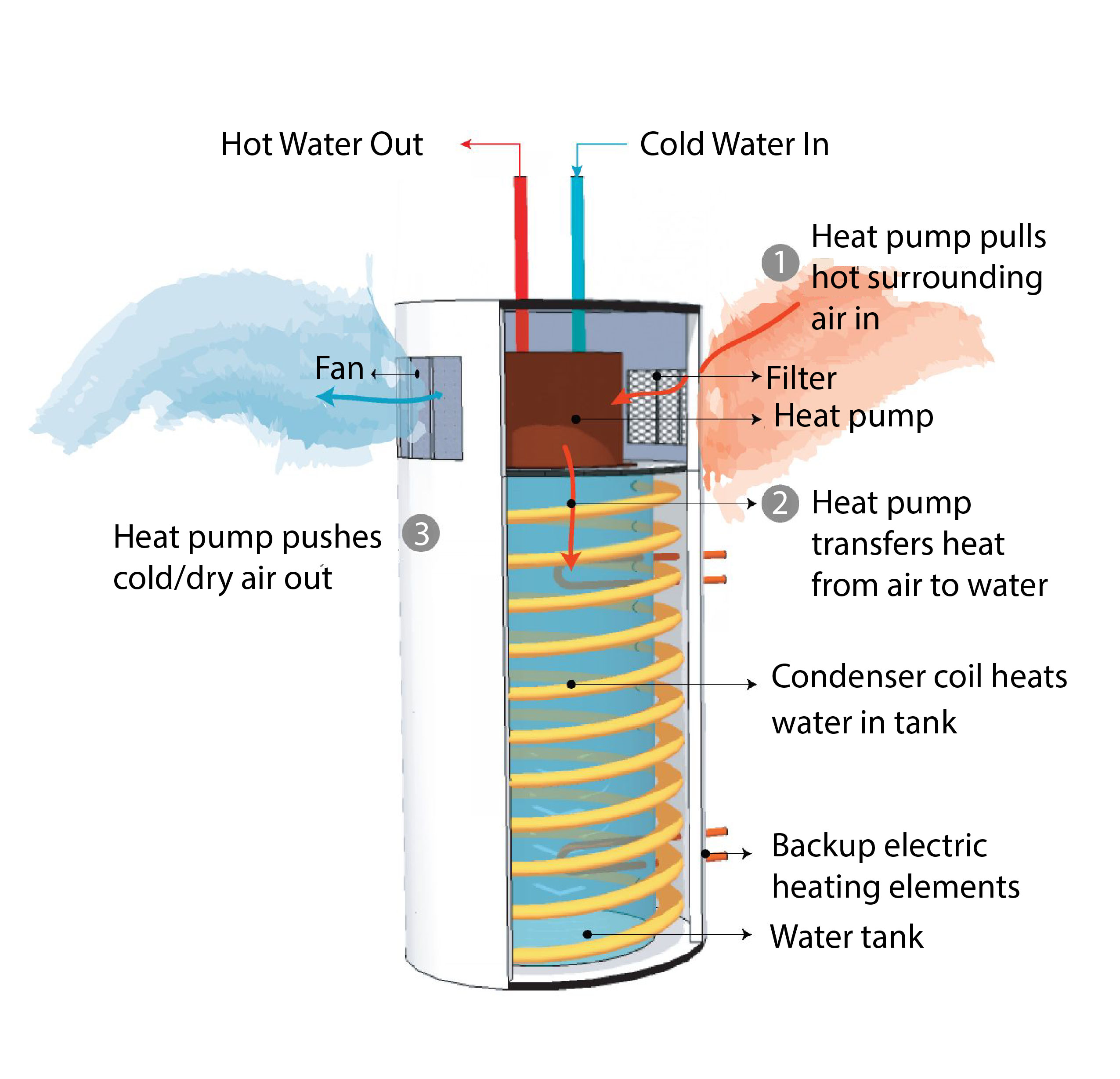
Heat pumps move heat from one place to another. In winter, they pull heat from outside air and bring it inside. In summer, they reverse the process and remove heat from your home. This keeps your house cool. They use electricity to run but use less energy than many heaters or air conditioners.
The system has a compressor, coils, and a fan. These parts work together to transfer heat efficiently. The cycle repeats to keep your home comfortable all year.
Types Of Heat Pumps
There are several types of heat pumps for homeowners in Florida. Air-source heat pumps are the most common. They take heat from the outside air and move it inside. Ground-source or geothermal heat pumps use the earth’s stable temperature to heat or cool your home. These are less common but very efficient.
Another type is the ductless mini-split heat pump. It does not need ductwork and is easy to install. Each type has pros and cons depending on your home and budget.
Heat Pumps Vs Traditional Hvac
Heat pumps differ from traditional HVAC systems. Traditional systems often use separate units for heating and cooling. Heat pumps combine both functions in one unit. This reduces equipment and space needs.
Heat pumps use less energy than many traditional heaters. They work best in mild climates like Florida. Traditional HVAC may perform better in very cold areas. Heat pumps also provide more even temperatures and can improve indoor air quality.
Benefits For Florida Homes
Heat pumps offer many benefits for Florida homeowners. They are a smart choice for the state’s warm and humid climate. These systems help keep homes comfortable and save money. Their design fits well with Florida’s weather patterns, making them a practical option.
Energy Efficiency
Heat pumps use less energy than traditional HVAC systems. They transfer heat instead of creating it, which saves power. This method reduces electricity use during hot and mild seasons. Energy-efficient systems lower the home’s overall energy demand. This helps reduce environmental impact and utility bills.
Cost Savings
Heat pumps lower monthly energy bills by using less electricity. They require less maintenance compared to conventional heating and cooling units. Installation costs may be higher initially but pay off over time. Many Florida homes see quick savings on energy expenses. This makes heat pumps a budget-friendly investment.
Year-round Comfort
Heat pumps provide cooling in summer and heating in winter. Florida’s mild winters do not strain these systems. Homeowners enjoy consistent indoor temperatures all year. They keep humidity levels balanced for a healthier home. This creates a pleasant living environment regardless of season.
Climate Considerations
Florida’s climate plays a big role in how heat pumps work. The state has hot summers and mild winters. This affects the way heat pumps cool and heat your home. Understanding these climate factors helps you get the best from your system.
Heat Pump Performance In Warm Climates
Heat pumps work well in warm places like Florida. They move heat rather than create it. This makes them efficient for cooling. But very high temperatures can reduce their performance slightly. Choosing the right size and model is key for good results.
Humidity Control
Florida’s air feels humid most of the year. Heat pumps help reduce indoor humidity. They pull moisture from the air while cooling. This keeps your home comfortable and prevents mold. Proper humidity control also protects furniture and walls.
Impact On Cooling Costs
Heat pumps can lower your energy bills in Florida. They use less electricity than traditional air conditioners. This saves money during long, hot seasons. Regular maintenance keeps them running efficiently and cuts costs further.

Credit: www.sumzeroenergysystems.com
Installation Tips
Installing a heat pump in your Florida home needs careful planning. Proper installation ensures your system works efficiently and lasts longer. Consider key factors before starting the installation process. These tips will help you avoid common mistakes and enjoy the benefits of your heat pump.
Choosing The Right Size
Selecting the correct heat pump size is crucial. A unit too small will struggle to cool or heat your home. Too large, and it will cycle on and off too often, wasting energy. Calculate your home’s square footage and insulation quality. Consult with a professional to find the best size for your needs.
Professional Installation Importance
Hiring a licensed technician guarantees proper setup. Professionals understand local codes and safety standards. They handle electrical connections and refrigerant safely. Incorrect installation can reduce efficiency and damage the unit. Trust experts to ensure your heat pump performs at its best.
Placement And Maintenance
Choose a shaded, open area for your outdoor unit. Avoid spots near tall plants or debris that block airflow. Keep the unit clean and clear of leaves and dirt. Schedule regular maintenance checks to prolong its life. Proper placement and care improve your heat pump’s efficiency.
Common Issues And Solutions
Heat pumps are popular in Florida due to their efficiency and comfort. Yet, they can face common problems that reduce their performance. Knowing these issues helps homeowners fix small problems early. This keeps the system running well and saves money on repairs.
Troubleshooting Performance
Heat pumps may blow warm air instead of cold. This usually means a dirty filter or blocked vents. Check and clean the filters every month during peak seasons. Ensure nothing blocks air flow around the outdoor unit. Strange noises or frequent cycling can mean low refrigerant or electrical issues. Simple resets might help but persistent problems need expert help.
Maintenance Checklist
Regular care extends heat pump life. Clean or replace filters monthly. Remove leaves and debris from outdoor units. Check for ice buildup on coils, especially in cooler months. Clear the drain line to prevent water damage. Inspect electrical connections and tighten loose wires. Schedule professional checkups once a year for thorough inspection and tune-up.
When To Call A Technician
Call a professional if the heat pump stops working suddenly. Strange noises that don’t stop need expert diagnosis. If your energy bills rise without reason, the system might be inefficient. Persistent frost or ice on the outdoor unit signals trouble. Low airflow or uneven heating also requires technician attention. Trust trained experts for repairs to avoid damage or voided warranties.
Energy Incentives And Rebates
Heat pumps can lower energy bills and reduce carbon footprints. Many programs offer financial help for homeowners in Florida. These incentives make installing heat pumps more affordable. Knowing about these options saves money and boosts home comfort.
Florida-specific Programs
Florida offers several programs to support energy efficiency. The Florida Energy and Climate Commission provides rebates for heat pumps. Local utility companies may also offer discounts or rebates. These programs target reducing energy use and helping homeowners.
Federal Tax Credits
The federal government provides tax credits for energy-saving upgrades. Heat pump installations often qualify for these credits. Tax credits lower the amount of tax owed at year-end. This incentive encourages homeowners to choose efficient heating options.
How To Apply
Start by checking eligibility for local and federal programs. Gather necessary documents like receipts and product information. Submit applications through program websites or mail. Keep copies of all paperwork for future reference and proof.
Credit: basc.pnnl.gov
Frequently Asked Questions
What Is A Heat Pump And How Does It Work In Florida?
A heat pump moves heat from outside to inside your home for heating and cooling efficiently.
Are Heat Pumps Cost-effective For Florida Homeowners?
Heat pumps save energy and reduce bills due to Florida’s mild winters and hot summers.
Can Heat Pumps Handle Florida’s Humid Climate?
Yes, heat pumps also remove humidity, helping keep Florida homes comfortable and dry.
How Long Does A Heat Pump Last In Florida Homes?
A well-maintained heat pump typically lasts 10 to 15 years in Florida conditions.
What Maintenance Do Heat Pumps Need In Florida?
Regular filter changes and annual professional checkups keep heat pumps working well and save energy.
Conclusion
Heat pumps offer a smart choice for Florida homes. They save energy and keep your house comfortable year-round. Understanding how they work helps you make better decisions. Regular maintenance keeps the system running smoothly and efficiently. Choosing the right size matters for cost and comfort.
Many homeowners find heat pumps reliable and eco-friendly. Consider your needs and local climate before buying. Heat pumps can lower utility bills and reduce environmental impact. A well-chosen heat pump adds value to your home. Simple steps lead to long-term comfort and savings.