
Are you frustrated because your LG dishwasher isn’t cleaning your dishes properly? You’re not alone.
It’s annoying to unload dishes that still have spots or leftover food. You expect your dishwasher to make your life easier, not harder. But don’t worry—understanding why this happens is the first step to fixing it. You’ll discover simple reasons why your LG dishwasher might be falling short and easy solutions to get your dishes sparkling clean again.
Keep reading to take back control of your kitchen chores!
Credit: www.reddit.com
Common Causes Of Poor Cleaning
Many people face poor cleaning results with their LG dishwasher. This problem often comes from common, easy-to-fix issues. Understanding these causes helps improve your dishwasher’s performance. Here are some frequent reasons why your dishwasher might not clean dishes well.
Clogged Spray Arms
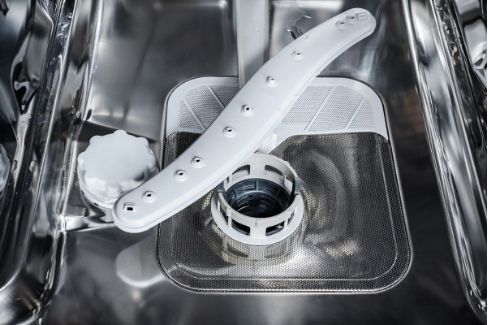
Spray arms push water to clean your dishes. Dirt and food particles can block their holes. When blocked, water flow weakens. This leads to dishes not getting clean. Regularly check and clean spray arms to avoid clogs.
Blocked Filters
Filters catch food bits and debris during washing. If filters get blocked, water cannot circulate properly. This stops the dishwasher from cleaning effectively. Clean the filters often to keep water flowing smoothly.
Incorrect Detergent Usage
Using the wrong detergent or too much detergent causes poor cleaning. Some detergents do not dissolve well in LG dishwashers. Use detergent made for dishwashers and follow the instructions. This helps dishes come out cleaner.
Water Temperature Issues
Water that is too cold cannot clean dishes well. LG dishwashers work best with hot water. Check your water heater and set it to at least 120°F (49°C). Hot water helps dissolve grease and food better.
Overloading The Dishwasher
Filling the dishwasher too full blocks water spray. Dishes may cover each other, preventing water from reaching all surfaces. Load dishes with space between them. This ensures water and detergent reach every dish.
Inspecting And Cleaning Spray Arms
Spray arms play a key role in cleaning dishes inside an LG dishwasher. They spray water to wash off food and dirt. Over time, spray arms can get clogged or dirty. This stops water from reaching all dishes. Checking and cleaning spray arms can fix many cleaning problems.
This process is simple and does not need special tools. It helps your dishwasher work better and keeps dishes spotless.
Removing Spray Arms
First, open the dishwasher door fully. Take out the bottom rack to reach the spray arms. Most LG dishwashers have two spray arms: one at the bottom and one under the top rack. To remove the bottom spray arm, twist it gently and lift it off. The top spray arm may be clipped or screwed in place. Use your hand or a screwdriver to remove it carefully.
Clearing Clogs And Debris
Check the spray arm holes for food bits or hard water deposits. Use a toothpick or small brush to clear out each hole. Rinse the spray arms under running water to wash away loosened debris. Soak them in warm, soapy water for 10-15 minutes for stubborn buildup. Make sure water flows freely through every hole before reinstalling.
Reinstalling Spray Arms Properly
Place the spray arms back in their positions carefully. Align the holes with the mounting points inside the dishwasher. Twist or clip the spray arms securely to avoid movement during a wash. Check that the spray arms spin freely by hand. Close the dishwasher and run a short cycle to test cleaning power.
Maintaining Filters For Better Performance
Maintaining the filters in your LG dishwasher is key to better cleaning results. Filters catch food particles and debris, stopping them from sticking to dishes. When filters get clogged, water flow reduces, and dishes don’t get clean. Regular care keeps your dishwasher running well and your dishes spotless.
Locating Dishwasher Filters
Start by finding the filters inside the dishwasher. Usually, they sit at the bottom of the tub. Some models have a cylindrical filter, while others have a flat mesh screen. Check your user manual if you are unsure where to look. Knowing the filter location is the first step to cleaning it properly.
Cleaning Filter Components
Remove the filters carefully from the dishwasher. Rinse them under warm water to remove stuck food bits. Use a soft brush to clean mesh parts gently. Avoid harsh scrubbing that may damage the filter. Clean filters allow water to flow freely and improve washing performance.
Scheduling Regular Filter Maintenance
Set a routine for cleaning your filters to keep them clear. Monthly cleaning works well for most households. If you use the dishwasher often, clean filters more often. Keeping a schedule prevents clogs and reduces bad odors. Regular filter care saves time and keeps dishes cleaner.
Optimizing Detergent And Rinse Aid Use
Optimizing detergent and rinse aid use can improve your LG dishwasher’s cleaning power. Using the right detergent and the correct amount helps remove food and grease. Rinse aid prevents spots and helps dishes dry faster. These small steps make a big difference in dishwasher results.
Choosing The Right Detergent
Not all detergents work well with LG dishwashers. Use detergents made for high-efficiency machines. Powder, gel, or tablet forms each have pros and cons. Tablets often contain enzymes and shine agents for better cleaning. Check if your detergent dissolves well in cold water.
Proper Detergent Amount
Too little detergent leaves dishes dirty. Too much can cause residue and spots. Follow the detergent packaging instructions carefully. Adjust the amount if you have very hard or soft water. Use a measuring cup or the detergent dispenser to avoid spills.
Using Rinse Aid Effectively
Rinse aid helps remove water droplets from dishes. It prevents streaks and water spots. Fill the rinse aid compartment regularly for best results. Use the dishwasher’s settings to adjust rinse aid release if needed. Avoid overfilling to prevent foaming inside the dishwasher.
Ensuring Proper Water Temperature
Proper water temperature plays a key role in cleaning dishes well. Water that is too cold cannot dissolve grease or food particles effectively. This makes your LG dishwasher less efficient. Checking and setting the right water temperature helps your dishwasher clean better. It also protects your dishes and dishwasher from damage.
Ideal Temperature Settings
The water temperature should be between 120°F and 150°F (49°C to 65°C). This range helps dissolve detergent and removes tough stains. Water below 120°F may leave spots and residue. Water above 150°F can cause damage to plastics and other items inside the dishwasher. Check your LG dishwasher manual for specific temperature advice.
Testing Water Temperature
Use a kitchen thermometer to measure water temperature. Run hot water from the tap closest to the dishwasher. Measure the temperature before starting a wash cycle. If the reading is below 120°F, the water is too cold for effective cleaning. This simple test helps identify if water temperature is the problem.
Adjusting Water Heater If Needed
Adjust your home water heater to increase temperature if needed. Most water heaters have a dial or control panel. Set the temperature to at least 120°F for better dishwasher performance. Avoid setting it too high to prevent burns and save energy. After adjusting, retest the water temperature to confirm the change.
Avoiding Overloading And Loading Mistakes
Overloading your LG dishwasher or loading dishes incorrectly can stop it from cleaning well. Water and detergent must reach all items for a spotless result. Proper loading helps the dishwasher work efficiently and keeps dishes clean.
Correct Loading Techniques
Place large items like pots and pans on the bottom rack. Plates should face the center for better water reach. Cups and glasses go on the top rack upside down. Avoid stacking dishes inside each other. Each item needs direct water contact.
Spacing Dishes For Water Flow
Leave space between dishes to let water flow freely. Crowding dishes blocks water and detergent. Spread plates and bowls evenly in the racks. Water sprays need room to reach all surfaces. Proper spacing means cleaner dishes after each wash.
Avoiding Blocking Spray Arms
Make sure no dish or utensil stops spray arms from turning. Items blocking spray arms prevent water from reaching dishes. Check spray arms can spin freely before starting the cycle. Keep large items away from spray arms. This keeps water moving and dishes clean.
Checking Dishwasher Components
Checking the dishwasher components helps find why your LG dishwasher is not cleaning well. Each part plays a key role in the cleaning process. Problems in these parts cause poor washing results. Simple checks can save you time and money.
Inspecting The Drain Hose
The drain hose removes dirty water from the dishwasher. A clogged or bent hose blocks water flow. This leaves dirty water inside and stops proper cleaning. Check the hose for bends, clogs, or leaks. Clear any blockages or replace the hose if needed.
Examining The Water Inlet Valve
The water inlet valve controls water entering the dishwasher. If it is faulty, not enough water flows in. This causes poor washing and dirty dishes. Test the valve for signs of damage or blockage. Replace the valve if it does not open or close properly.
Verifying Pump And Motor Function
The pump and motor push water through spray arms. They create strong water jets for cleaning. If the pump or motor fails, water pressure drops. This leads to weak spray and dirty dishes. Listen for unusual noises and check for leaks. Repair or replace faulty pump or motor parts.

Credit: lakeappliancerepair.com
When To Call A Professional
Knowing when to call a professional for your LG dishwasher saves time and frustration. Some problems need expert help beyond simple fixes. This ensures your dishwasher works well and lasts longer.
Signs Of Mechanical Failure
Watch for strange noises during cycles. Water not draining properly is a red flag. Dishes still dirty after a full wash means a deeper issue. If buttons or controls don’t respond, it shows electrical trouble. These signs suggest a professional should check the machine.
Warranty And Repair Options
Check your LG dishwasher’s warranty before any repair. Some repairs may be free under warranty. Outside warranty, get a cost estimate first. Repairs done by certified technicians keep your warranty valid. Avoid unauthorized repairs that could cause more damage.
Finding Certified Technicians
Certified LG technicians have proper tools and training. They diagnose issues quickly and fix them right. Use LG’s official website to find local service centers. Reviews and ratings help choose trusted professionals. Certified techs ensure safe and lasting repairs.
Credit: www.appliancerepaircalg.ca
Frequently Asked Questions
Why Is My Lg Dishwasher Not Cleaning Dishes Properly?
Clogged spray arms or filters often block water flow, stopping dishes from getting clean.
How Do Clogged Filters Affect Lg Dishwasher Cleaning?
Dirty filters trap food and debris, preventing water from circulating well inside.
Can Hard Water Cause Lg Dishwasher Cleaning Problems?
Yes, hard water leaves spots and reduces detergent effectiveness, harming cleaning results.
Does Using The Wrong Detergent Affect Lg Dishwasher Cleaning?
Wrong detergent can cause poor suds or residue, making dishes look dirty after washing.
How Often Should I Clean My Lg Dishwasher For Best Results?
Cleaning filters and spray arms every month helps keep your dishwasher working well.
Conclusion
LG dishwasher not cleaning dishes can frustrate anyone. Check for common issues like clogged spray arms or dirty filters. Using the right detergent and proper loading also helps. Regular maintenance keeps your dishwasher working well. Small fixes often solve big cleaning problems.
Stay patient and follow simple steps to improve performance. Clean dishes mean a happy kitchen and less stress. Keep your LG dishwasher in good shape for best results.