
Are you a homeowner in Washington looking for a smarter way to heat and cool your home? Heat pumps might be the solution you’ve been searching for.
They can save you money, reduce energy use, and keep your home comfortable year-round. But before you make a decision, there are some important things you need to know. This guide will help you understand how heat pumps work, the benefits they offer, and what to consider before installing one.
Keep reading to discover how a heat pump could change your home for the better.
Benefits Of Heat Pumps
Heat pumps offer many benefits for homeowners in Washington. They provide a reliable way to heat and cool homes efficiently. These systems work by moving heat instead of creating it, saving energy and money. Understanding the key benefits helps you decide if a heat pump fits your home’s needs.
Energy Efficiency And Savings
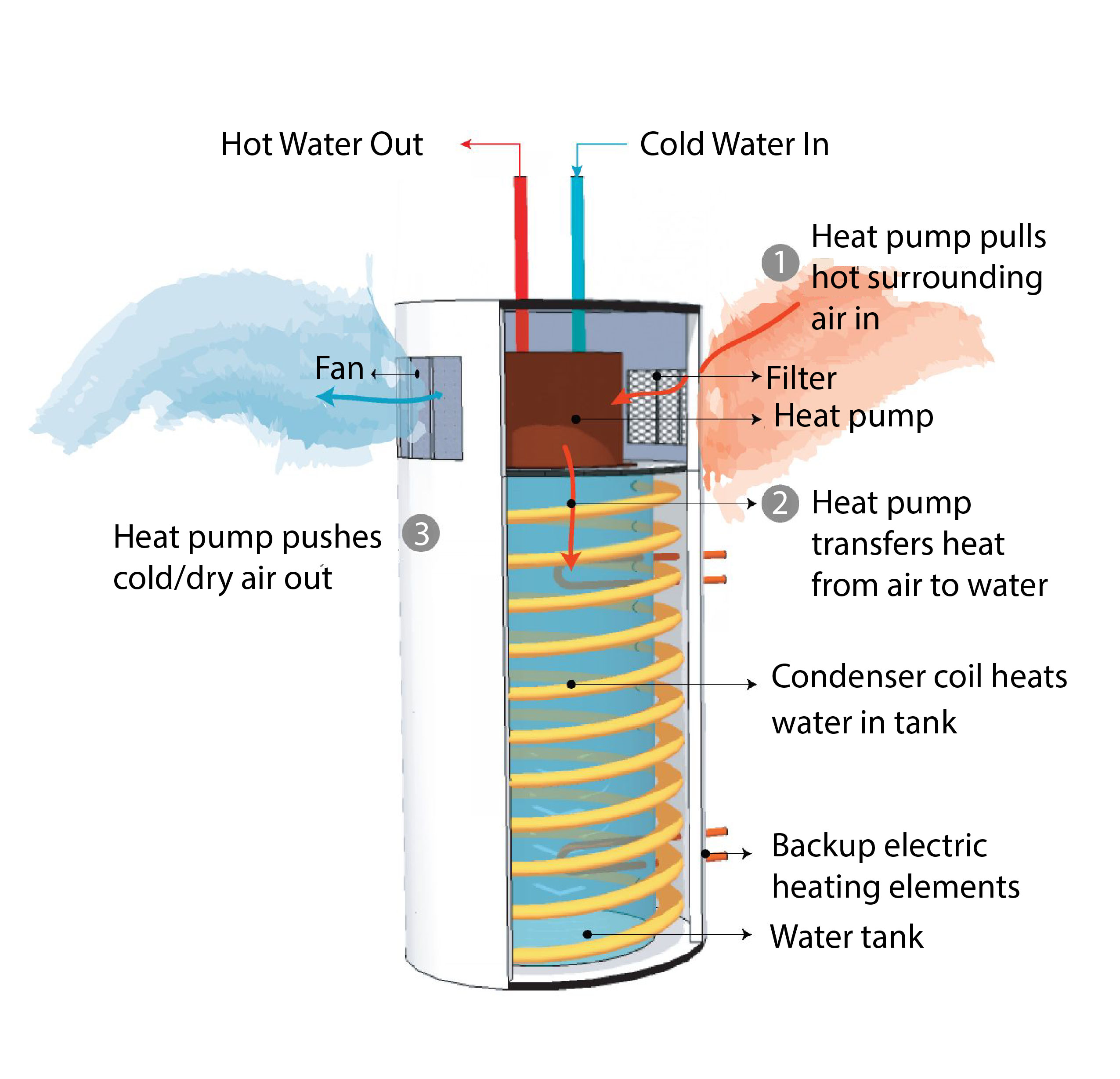
Heat pumps use less electricity than traditional heaters. They transfer heat from outside to inside and vice versa. This process requires less energy to maintain comfortable temperatures. Lower energy use means smaller utility bills. Over time, this leads to significant savings for homeowners.
Year-round Climate Control
Heat pumps provide heating in winter and cooling in summer. This makes them a practical choice for all seasons. You don’t need separate systems for heating and cooling. The system adjusts easily to changing weather. It keeps your home comfortable throughout the year.
Environmental Impact
Heat pumps produce fewer greenhouse gas emissions than traditional systems. They reduce reliance on fossil fuels. This helps lower your home’s carbon footprint. Using a heat pump supports cleaner air and a healthier planet. It’s a smart choice for eco-conscious homeowners.
Types Of Heat Pumps
Heat pumps come in several types. Each type suits different homes and climates. Understanding these types helps you choose the right one for your Washington home. Here are the main types of heat pumps.
Air-source Heat Pumps
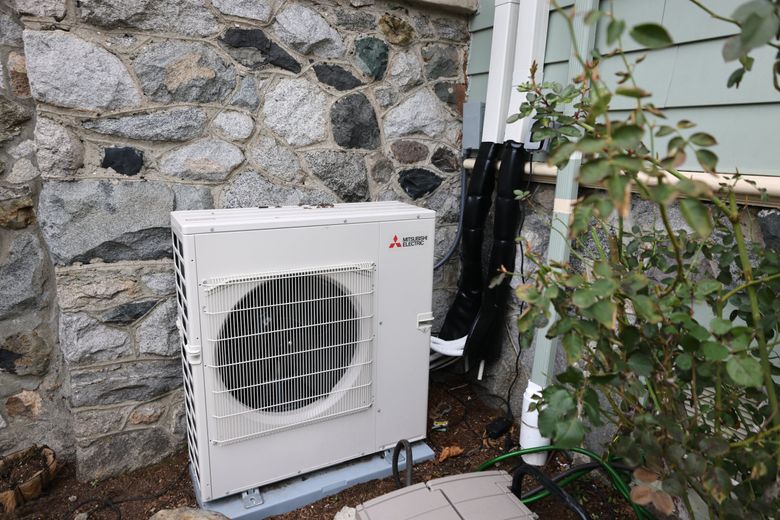
Air-source heat pumps pull heat from outside air. They work well in moderate climates. These pumps heat your home in winter and cool it in summer. They are easy to install and cost less upfront. Air-source pumps are common in many Washington homes.
Ground-source Heat Pumps
Ground-source heat pumps use the earth’s steady temperature. Pipes go underground to collect heat. This type is also called geothermal. It uses less energy than air-source pumps. Installation is more complex and costs more. Ground-source pumps last longer and save more money over time.
Hybrid Heat Pumps
Hybrid heat pumps combine air-source and traditional heating. They switch between electric heat pumps and gas furnaces. This change depends on outdoor temperature. Hybrids give you comfort and save energy. They work well in cold Washington winters. This option fits homes with existing gas systems.
Choosing The Right Heat Pump
Choosing the right heat pump is key for every homeowner in Washington. The right unit saves money and keeps your home comfortable year-round. Several factors affect your choice, such as size, climate, and budget. Understanding these helps you pick a heat pump that fits your needs perfectly.
Sizing And Capacity
Proper sizing is essential for efficient heating and cooling. A heat pump too small will struggle to maintain temperature. One too large will cycle on and off, wasting energy. Professionals calculate the right capacity based on your home’s size and insulation. This ensures balanced performance and lower energy bills.
Climate Considerations In Washington
Washington has mild winters but can be wet and cool. Heat pumps designed for colder climates work best here. Look for models with good low-temperature performance. They keep your home warm even on chilly days. Also, consider units with backup heating for extra cold spells.
Budget And Incentives
Heat pump costs vary widely. Choose a model that fits your budget without sacrificing quality. Many Washington homeowners can access rebates and tax incentives. These programs lower initial costs and improve savings. Check local energy offices for current offers before buying.
Credit: basc.pnnl.gov
Installation Process
The installation process of a heat pump in Washington homes is a key step for efficient heating and cooling. Proper setup ensures the system runs smoothly and saves energy. Understanding what happens during installation helps homeowners prepare and avoid surprises.
Hiring Qualified Professionals
Choosing the right experts matters for a successful heat pump install. Certified technicians know local codes and climate needs. They handle electrical and refrigerant work safely. Professionals also size the system correctly for your home. This reduces future problems and keeps energy costs low.
Site Preparation
Preparing your property is important before installers arrive. Clear space around the outdoor unit to allow airflow. Remove plants or debris that block the area. Inside, ensure easy access to electrical panels and ducts. Proper site preparation speeds up installation and improves performance.
Common Installation Challenges
Some homes face challenges during heat pump setup. Older houses may need updated wiring or ductwork. Limited outdoor space can restrict unit placement. Cold Washington winters require careful insulation of pipes. Skilled installers find solutions to these common issues. This keeps your system running well year-round.
Maintenance Tips
Proper maintenance keeps heat pumps working well and saves money on repairs. Homeowners in Washington should follow simple steps to keep their systems efficient. Regular care improves comfort and extends the heat pump’s life.
Regular Inspections
Check the heat pump at least twice a year. Look for signs of wear or damage. Listen for unusual noises that could show a problem. Inspect outdoor units for debris or plants blocking airflow. Early detection helps avoid costly repairs.
Cleaning And Filter Replacement
Clean the heat pump’s coils and fins regularly. Dirt and dust reduce efficiency and increase energy use. Replace air filters every 1 to 3 months. Clean filters improve airflow and keep the system healthy. Use the correct filter size for best results.
Troubleshooting Common Issues
Watch for common heat pump problems like poor heating or cooling. Check the thermostat settings first. Clear any debris around outdoor units. If the unit freezes or leaks water, turn it off and call a technician. Simple fixes prevent bigger issues later.

Credit: washingtonstatestandard.com
Cost Factors And Savings
Choosing a heat pump can affect your home’s comfort and your wallet. Understanding the costs and potential savings helps you make a smart decision. Heat pumps can lower energy bills but require an upfront cost. Knowing what influences these costs and what savings to expect is key for Washington homeowners.
Initial Investment Breakdown
The cost of a heat pump includes the unit and installation. Prices vary based on size, brand, and system type. Installation can differ by home size and complexity. Expect to pay between $4,000 and $8,000 on average. Higher efficiency models cost more but save money later. Some homes may need upgrades to wiring or ductwork, adding to the total.
Energy Bill Reduction
Heat pumps use electricity efficiently for heating and cooling. They reduce energy use by up to 50% compared to electric heaters. This means lower monthly energy bills. Savings depend on your home size and local electricity rates. In Washington, mild winters help heat pumps work well. Over time, savings can cover the initial investment.
Available Rebates And Tax Credits
Washington offers rebates to encourage heat pump use. Local utilities often provide discounts or cash back. The federal government may offer tax credits for energy-efficient upgrades. These incentives lower the upfront cost significantly. Check current programs before buying. Rebates and credits make heat pumps more affordable.
Potential Drawbacks
Heat pumps offer many benefits for Washington homeowners. Still, they have some drawbacks to consider. Understanding these points helps make a better decision for your home heating and cooling needs.
Performance In Extreme Cold
Heat pumps work best in mild to moderate temperatures. In very cold weather, their efficiency drops. They may need extra heating support to keep your home warm. This can increase energy use during cold snaps.
Noise Levels
Heat pumps produce sound while running. Some units are quieter than others. Noise can be a concern if the outdoor unit is near bedrooms or neighbors. Choosing a model with low noise helps reduce disturbance.
Upfront Costs
Installing a heat pump can be expensive at first. The initial price is higher than some traditional heating systems. Many homeowners find the energy savings offset the cost over time. Planning your budget carefully is important before buying.
Local Regulations And Incentives
Homeowners in Washington can benefit from local rules and programs for heat pumps. These rules help save energy and reduce costs. Knowing about these rules and incentives helps you make smart choices for your home.
Washington State Energy Policies
Washington promotes clean energy to protect the environment. The state offers standards that encourage using efficient heat pumps. These policies aim to lower energy use and cut pollution. Homeowners can trust these guidelines for safe and effective heat pump use.
Utility Company Programs
Many utility companies in Washington provide rebates and discounts. These programs help reduce the upfront cost of heat pumps. Some also offer free energy audits to check your home’s efficiency. Participating in these programs saves money and energy over time.
Permitting Requirements
Installing a heat pump usually needs a permit from local authorities. This ensures the installation meets safety and building codes. The process may vary by city or county. Checking permit rules early can prevent delays and extra costs.
Credit: www.seattletimes.com
Frequently Asked Questions
What Is A Heat Pump And How Does It Work?
A heat pump moves heat from outside to inside your home for warmth. It can also cool your home.
Are Heat Pumps Energy Efficient For Washington Homes?
Yes, heat pumps use less energy than traditional heating systems, saving money on bills.
Can Heat Pumps Handle Washington’s Cold Winters?
Modern heat pumps work well in cold weather, providing reliable heat during winter months.
How Much Does It Cost To Install A Heat Pump?
Installation costs vary but typically range from $3,000 to $7,000 depending on your home size.
Do Heat Pumps Require Regular Maintenance In Washington?
Yes, regular cleaning and yearly check-ups keep heat pumps running efficiently and extend their lifespan.
Conclusion
Heat pumps offer an efficient way to heat and cool homes in Washington. They save energy and lower bills. Many models work well in colder climates here. Proper installation and maintenance keep them running smoothly. Homeowners should weigh costs against long-term savings.
Choosing the right heat pump fits your home’s needs. This system helps create a comfortable living space year-round. Consider a heat pump as a smart, eco-friendly option. It’s a practical choice for many Washington residents.