
If you’re a homeowner in North Carolina, understanding how to keep your home comfortable without breaking the bank is probably on your mind. Heat pumps might be the solution you haven’t fully explored yet.
They offer an efficient way to heat and cool your home, potentially lowering your energy bills and reducing your environmental impact. But before you decide if a heat pump is right for your home, there are some important things you need to know.
Keep reading to discover how heat pumps work, the benefits they bring, and what you should consider before making this smart investment. Your comfort and savings could depend on it.
Credit: environmentamerica.org
Heat Pump Basics
Heat pumps are a smart choice for homeowners in North Carolina. They heat and cool your home using less energy than traditional systems. Understanding how heat pumps work helps you decide if they suit your needs. Learn the basics to see why many people trust heat pumps for comfort all year.
How Heat Pumps Work
Heat pumps move heat from one place to another. In winter, they pull heat from outside air and bring it inside. In summer, they take heat from your home and release it outside. This process uses less electricity than heating or cooling alone. The key parts include a compressor, coils, and a fan.
Types Of Heat Pumps
There are mainly two types of heat pumps for homes. Air-source heat pumps use outside air to transfer heat. Ground-source heat pumps, also called geothermal, use the earth’s stable temperature. Air-source models cost less and are easier to install. Geothermal pumps are more efficient but need more space and higher upfront cost.
Heat Pumps Vs Traditional Hvac
Traditional HVAC systems use separate units for heating and cooling. Heat pumps combine both in one system. They save energy by transferring heat instead of creating it. This leads to lower utility bills. Heat pumps also work well in mild climates like North Carolina. They provide steady comfort and reduce carbon footprint.
Benefits For North Carolina Homes
Heat pumps offer many benefits for homes in North Carolina. They work well in the state’s mild climate. Homeowners can enjoy better comfort and lower energy bills. Heat pumps provide both heating and cooling in one system. This makes them a smart choice for year-round use.
Installing a heat pump helps reduce energy use. It also lowers the home’s carbon footprint. Many North Carolina homes can save money and stay comfortable all year.
Energy Efficiency
Heat pumps use less electricity than traditional heating systems. They move heat instead of creating it by burning fuel. This process saves energy, especially in mild weather. North Carolina’s climate is ideal for heat pumps to work efficiently. Using a heat pump lowers energy waste and reduces utility bills.
Cost Savings
Heat pumps cut down on heating and cooling costs. They need less energy to keep a home comfortable. Homeowners often see lower monthly utility bills. Installing a heat pump can increase home value too. Over time, savings on energy bills can cover installation costs.
Year-round Comfort
Heat pumps provide steady temperatures all year. They keep homes warm in winter and cool in summer. The system adjusts quickly to changing weather. This means no cold spots or hot rooms inside. A heat pump keeps indoor air fresh and balanced.
Climate Considerations In North Carolina
North Carolina has a varied climate that affects how heat pumps work. Summers can be hot and humid, while winters tend to be mild. Knowing these climate details helps homeowners choose the best heat pump. This section explains how heat pumps perform in North Carolina’s weather.
Performance In Mild Winters
North Carolina winters are usually not very cold. Heat pumps work well in mild temperatures. They pull heat from the outside air to warm your home. This process uses less energy than traditional heaters. It means lower heating bills during winter months. Heat pumps can keep your home cozy without much effort.
Humidity Control
Humidity is a big concern in North Carolina. The air often feels heavy and damp, especially in summer. Heat pumps help reduce indoor humidity. They remove moisture from the air while cooling. This makes your home more comfortable and prevents mold growth. Proper humidity control improves air quality inside your house.
Handling Hot Summers
Summers in North Carolina can be very warm. Heat pumps also work as air conditioners during hot days. They cool your home efficiently by moving heat outside. This keeps your indoor temperature stable and pleasant. Using a heat pump saves energy compared to other cooling methods. It helps maintain a cool home all summer long.

Credit: www.deq.nc.gov
Installation Tips
Installing a heat pump in your North Carolina home requires careful planning. Proper installation ensures efficiency and long-lasting comfort. This section covers key tips for a smooth installation process.
Choosing The Right Size
Pick a heat pump that matches your home’s size. A unit too small will struggle to heat or cool. Too large wastes energy and costs more upfront. Consult a professional to calculate the right capacity. This step saves money and improves comfort.
Professional Installation Importance
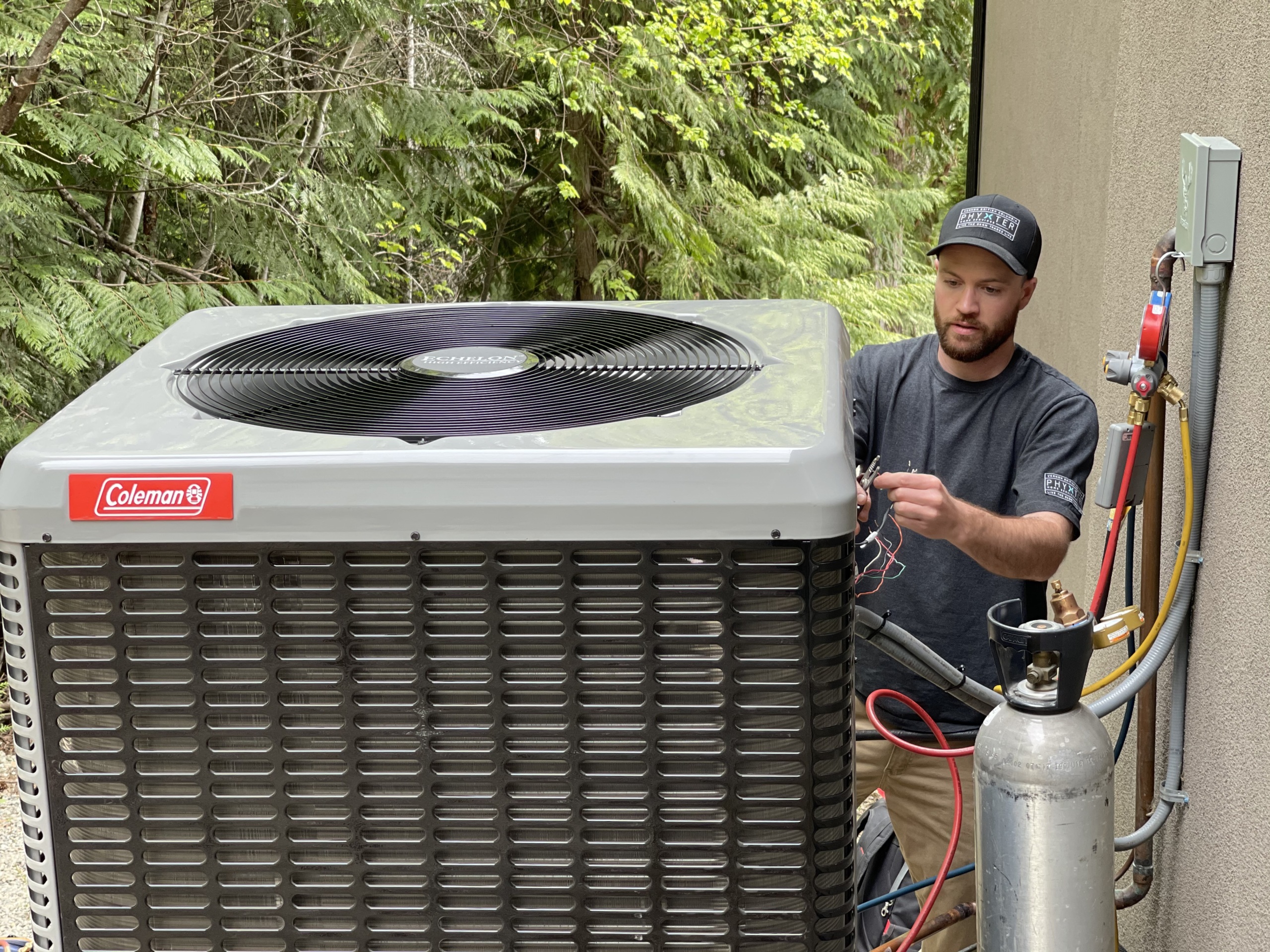
Hire a licensed technician for installation. Professionals know local codes and best practices. They handle electrical and refrigerant work safely. Poor installation can cause system failure and higher bills. Certified installers ensure your heat pump works as intended.
Location And Placement
Place the outdoor unit in a shaded, ventilated spot. Avoid areas near tall plants or heavy dust. Keep the unit on a stable, level surface. Indoor components should be near existing ducts or vents. Proper placement improves airflow and system efficiency.
Maintenance And Care
Proper maintenance keeps heat pumps working efficiently. It helps extend their lifespan and lowers energy costs. Homeowners in North Carolina should learn basic care steps. These steps prevent breakdowns and improve comfort all year.
Routine Checks
Check your heat pump regularly for any signs of trouble. Look for unusual noises or leaks around the unit. Inspect the outdoor unit for leaves or debris blocking airflow. Clear any obstructions to help the system run smoothly. Make sure the thermostat settings are correct for the season. Keep an eye on energy bills for sudden increases, which may signal issues.
Filter Replacement
Change the air filter every 1 to 3 months. Dirty filters reduce airflow and lower efficiency. They also make the system work harder, raising energy use. Use the right size and type of filter for your unit. Mark your calendar or set a reminder for filter changes. Clean filters improve air quality inside your home.
Troubleshooting Common Issues
Heat pumps may stop heating or cooling properly sometimes. Check if the thermostat is set correctly first. Ensure the outdoor unit is free from ice or snow build-up. Reset the system by turning it off and on after a few minutes. If the problem stays, call a professional for service. Early action can prevent costly repairs later.
Financial Incentives
Heat pumps offer a smart way to heat and cool your home efficiently. The initial cost can seem high, but financial help makes it easier. Several programs lower the price of installing heat pumps in North Carolina. These incentives help many homeowners save money upfront and over time.
State And Local Rebates
North Carolina offers rebates for heat pump installations. These come from state energy offices or local utilities. Rebates lower your upfront costs by giving cash back after purchase. Some cities also have their own rebate programs. Checking with your utility company can reveal available offers. These rebates encourage using energy-efficient systems like heat pumps.
Federal Tax Credits
The federal government provides tax credits for energy-efficient home upgrades. Heat pumps usually qualify for these credits. A tax credit reduces the amount of tax you owe. This means you pay less to the government after installing a heat pump. It is important to keep receipts and paperwork for tax filing. These credits help reduce the overall cost of your new system.
Long-term Savings
Heat pumps use less energy than traditional heating and cooling systems. This means lower monthly utility bills. Over time, savings on energy costs add up significantly. Heat pumps also require less maintenance, saving money on repairs. Their durability means fewer replacements in the future. Investing in a heat pump can pay off through steady savings for years.
Potential Drawbacks
Heat pumps offer many benefits, but they also have some drawbacks. North Carolina homeowners should know these before installing one. Understanding the potential downsides helps make a better choice for your home and budget.
Initial Costs
Heat pumps often cost more to install than traditional systems. The equipment and labor can be expensive. This higher price can discourage some homeowners from choosing heat pumps. Over time, energy savings may offset these costs, but the upfront expense is important to consider.
Effectiveness In Extreme Cold
Heat pumps work best in mild weather. In very cold temperatures, their efficiency drops. North Carolina winters can be cold but usually not extreme. Still, during very cold days, heat pumps may need extra help from backup heating. This can increase energy use and costs.
Noise Levels
Heat pumps produce some noise while running. Outdoor units have fans and compressors that create sound. Most models operate quietly but can be loud in some situations. Noise might bother neighbors or people inside the home. Choosing a quiet model and proper installation can reduce noise issues.

Credit: charlottecomfortsystems.com
Choosing A Heat Pump System
Choosing the right heat pump system is important for North Carolina homeowners. It affects comfort, energy bills, and the home’s value. A good choice means reliable heating and cooling all year. Consider key factors before buying a heat pump.
Evaluating Brands
Start by checking brands with good reputations. Reliable brands offer durable and efficient heat pumps. Read customer reviews to see real experiences. Well-known brands often have better quality control. Local availability of service and parts matters too. Choose a brand that fits your budget and needs.
Warranty And Support
A strong warranty protects your investment. Look for systems with at least 10 years of coverage. Check what parts and labor the warranty includes. Good customer support helps if problems arise. Some companies offer extended warranties for peace of mind. Always read the warranty details carefully.
Energy Star Ratings
Energy Star certified heat pumps save electricity. They reduce your energy bills and carbon footprint. Higher ratings mean better energy efficiency. Look for systems with high Seasonal Energy Efficiency Ratio (SEER) and Heating Seasonal Performance Factor (HSPF). Choosing Energy Star products helps you qualify for rebates. This saves money during installation and use.
Frequently Asked Questions
What Is A Heat Pump And How Does It Work In North Carolina?
A heat pump moves heat from outside to inside your home, warming or cooling efficiently.
Are Heat Pumps Cost-effective For North Carolina Homeowners?
Heat pumps save money on energy bills by using less electricity than traditional systems.
Can Heat Pumps Handle North Carolina’s Climate Well?
Yes, modern heat pumps work well in mild to moderate climates like North Carolina’s.
How Often Should North Carolina Homeowners Maintain Their Heat Pumps?
Regular maintenance every 6 to 12 months keeps heat pumps running smoothly and saves costs.
What Are The Benefits Of Switching To A Heat Pump In North Carolina?
Heat pumps provide year-round comfort, lower energy bills, and reduce your home’s carbon footprint.
Conclusion
Heat pumps offer efficient heating and cooling for North Carolina homes. They use less energy than traditional systems, saving money on bills. Maintenance is simple but important for best performance. Choosing the right size and type ensures comfort all year.
Many homeowners find heat pumps quiet and reliable. Knowing these basics helps you make smart decisions. A well-chosen heat pump keeps your home cozy and affordable. Consider your needs carefully before buying a unit. Heat pumps suit many houses and climates here.
Smart choices lead to better comfort and savings.