
Is your central heat and air heat not working right when you need it most? Feeling cold inside your own home can be frustrating and uncomfortable.
You rely on your heating system to keep you warm, but when it stops working, it throws everything off balance. Don’t worry—this article will help you understand why your heat might be failing and what you can do to fix it quickly.
Keep reading to get your home cozy again without the stress.

Credit: firstfilbio.com
Common Causes Of Heat Failure
Central heating systems can stop working for many simple reasons. Knowing common causes helps fix the problem faster. It saves time and keeps your home warm. This section covers the main reasons your heat might fail.
Thermostat Issues
The thermostat controls your heating system. If it is set wrong, the heat won’t turn on. Sometimes, batteries in the thermostat die. This stops it from sending signals to the heater. A faulty thermostat can also cause the system to turn off early.
Power Supply Problems
Your heating system needs power to work. A tripped circuit breaker can stop the heat. Loose or damaged wires also cause power failure. Check your electrical panel for any switches turned off. Without power, the heater cannot run.
Clogged Air Filters
Air filters clean the air before heating. When filters get dirty, air flow slows down. This makes the system work harder and can cause it to shut off. Regular filter cleaning or replacement keeps heat running well.
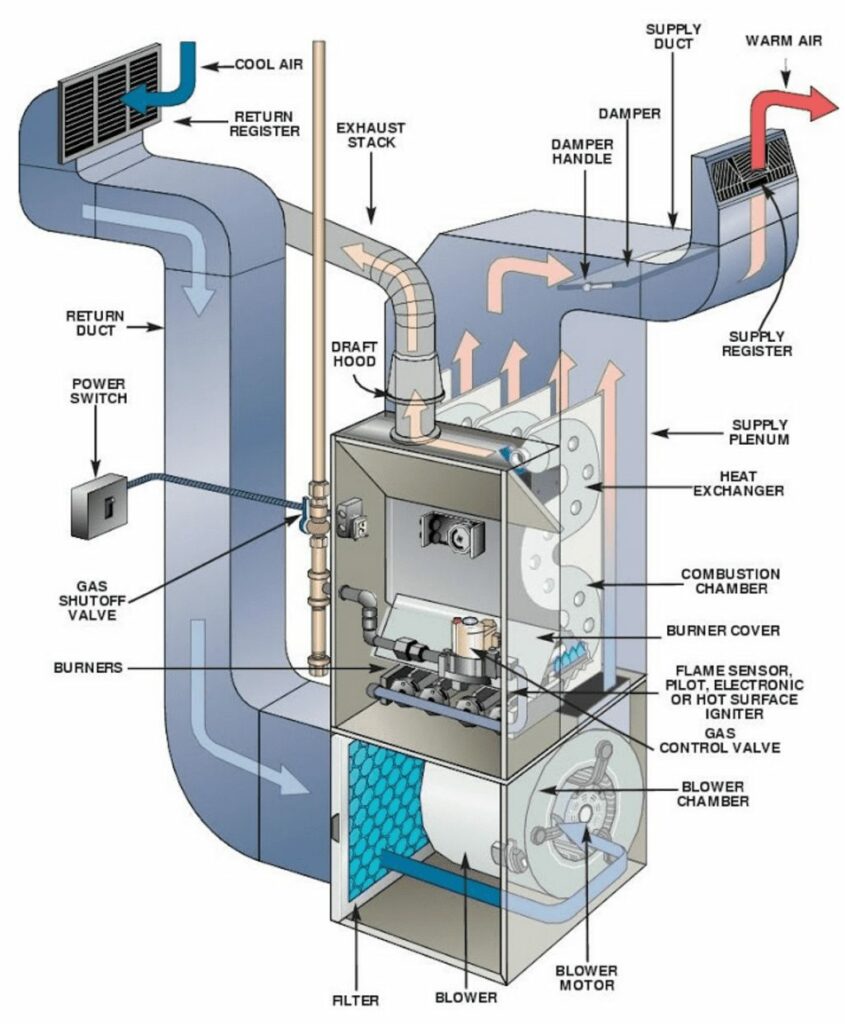
Pilot Light And Ignition Troubles
Older heaters use a pilot light to start heating. If the pilot light goes out, the heat stops. Newer systems use electronic ignition, which can fail too. Dirt or a faulty part can block ignition. Fixing this restores heat quickly.
Simple Diy Fixes
Central heat and air not working can be frustrating, especially on cold days. Many times, the problem is simple and can be fixed without calling a technician. Trying a few easy steps might get your system running again quickly.
These simple DIY fixes save time and money. They do not need special tools or skills. You can check and fix common issues yourself.
Resetting The Thermostat
Sometimes the thermostat needs a quick reset. Turn it off and remove the batteries if it has any. Wait for about one minute, then put the batteries back and turn it on. This can clear small glitches and restart the system.
Replacing Air Filters
Dirty air filters block airflow and cause heating problems. Check your filter and replace it if it looks clogged or dark. Clean filters help your system work better and save energy.
Checking Circuit Breakers
Power issues may stop your heater from working. Look at your home’s circuit breaker box. Find the breaker for the heating system. If it is off or tripped, switch it back on. This might restore power to your unit.
Relighting The Pilot Light
Older heating systems use a pilot light to start the burner. If the light goes out, the heater will not work. Follow the instructions on your unit to safely relight the pilot light. Use caution and turn off the gas before trying this.
When To Call A Professional
Knowing when to call a professional for central heat and air problems saves time and money. Some issues may seem small but can lead to bigger damage. A trained technician can find and fix hidden problems quickly. Early help keeps your system running well and your home warm and safe.
Persistent Heating Issues
Sometimes the heater turns on but does not warm the room. Or the air feels cooler than usual. This means the system may have a deeper problem. Persistent heating issues need expert checks to avoid full breakdowns.
Strange Noises Or Smells
Unusual sounds like banging or grinding are signs of trouble. Odd smells, such as burning or gas, also warn of serious faults. Call a professional immediately to prevent damage and health risks.
Frequent System Shutdowns
The heater stops working often without warning. This can mean electrical or mechanical failures. Frequent shutdowns lower comfort and increase repair costs. A technician can find the cause and fix it right.
Safety Concerns
Heating systems use gas and electricity, which can be dangerous. Carbon monoxide leaks or sparks require urgent professional help. Never try to fix these issues yourself. Safety must always come first.

Credit: www.leafacademy.in
Preventive Maintenance Tips
Preventive maintenance keeps your central heat and air system working well. It helps avoid sudden breakdowns and costly repairs. Simple steps can boost your system’s life and efficiency. Here are key tips to follow regularly.
Regular Filter Replacement
Change air filters every one to three months. Dirty filters block airflow and reduce heating power. Clean filters also improve indoor air quality. Use the right filter size for your system. This small task saves energy and prevents damage.
Seasonal System Inspections
Check your heating system before cold seasons start. Look for leaks, strange noises, or uneven heating. Early spotting of problems avoids bigger failures later. Run your system briefly to test its performance. Fix issues quickly to keep it reliable.
Keeping Vents Clear
Make sure vents are not blocked by furniture or curtains. Clear vents allow warm air to flow freely into rooms. Clean vents and registers from dust often. Good airflow means your system works less hard. This lowers energy bills and improves comfort.
Scheduling Professional Tune-ups
Hire a technician for yearly maintenance. Professionals clean coils, check parts, and test safety features. They find hidden problems before they grow. A tune-up keeps your heating system safe and efficient. This service extends the life of your system.
Energy Efficiency And Cost Savings
Energy efficiency plays a big role in lowering heating costs. A central heat and air system that works well uses less energy. This saves money on utility bills. Small changes can make a big difference in energy use. Saving energy also helps the environment by reducing waste.
Improving energy efficiency means less wear on your heating system. This can prevent breakdowns and costly repairs. Simple steps help keep your home warm without spending too much. Let’s explore some ways to boost energy efficiency and save money.
Upgrading Thermostats
Modern thermostats offer better control of your heating system. Programmable thermostats allow setting different temperatures for day and night. This avoids heating an empty house. Smart thermostats learn your schedule and adjust automatically. They reduce energy waste and lower bills.
Sealing Duct Leaks
Leaky ducts let warm air escape before reaching rooms. This wastes energy and makes your system work harder. Sealing duct leaks keeps heat inside your home. Use mastic sealant or metal tape for best results. Properly sealed ducts improve comfort and cut heating costs.
Insulating Your Home
Insulation stops heat from escaping through walls and ceilings. Good insulation keeps your home warmer longer. It reduces the need for constant heating. Check attic, walls, and floors for weak spots. Adding insulation is a simple way to save energy and money.
Using Smart Heating Controls
Smart heating controls give precise temperature management. They connect to your phone or voice assistant. You can adjust heat from anywhere, avoiding wasted energy. Some systems track energy use and suggest savings. Smart controls make heating more efficient and cost-effective.
Credit: uflacweb.velarium.com
Frequently Asked Questions
Why Is My Central Heat And Air Not Turning On?
Check the thermostat settings, power supply, and circuit breakers first.
How Can I Reset My Central Heating System?
Turn off the system, wait 5 minutes, then switch it back on.
What Causes A Central Heater To Stop Blowing Warm Air?
Dirty filters or blocked vents often stop warm air flow.
Can A Faulty Thermostat Stop My Central Heat From Working?
Yes, a broken thermostat can prevent the system from turning on.
When Should I Call A Professional For Heating Repair?
Call a pro if basic checks don’t fix the problem quickly.
Conclusion
Central heat and air heat not working can cause discomfort fast. Check the thermostat first; it often solves simple issues. Clean or replace filters to improve airflow and efficiency. Inspect circuit breakers to ensure power reaches the system. If problems persist, call a professional technician for help.
Regular maintenance keeps your system running smoothly year-round. Don’t wait too long; early fixes save money and stress. Stay warm and comfortable by addressing heating problems quickly.