
Is your washing machine not filling enough with water? This can be frustrating, especially when you expect your laundry to get thoroughly cleaned.
You might wonder why your machine is acting up and what’s causing this problem. Understanding the reasons behind this issue can save you time, money, and hassle. Keep reading to discover the common causes and simple fixes that can get your washing machine back to working properly.
Don’t let a little water problem ruin your laundry day!
Common Causes
When a washing machine does not fill enough with water, it often points to common issues. These problems stop water from flowing correctly into the machine. Identifying the cause helps fix the problem quickly. Below are typical reasons why your washer might not fill properly.
Water Supply Issues
Check if the water supply to the machine is turned on. Sometimes, the water valve might be closed or partly closed. Low water pressure from the home supply also reduces the flow. Make sure the faucet supplying water is fully open and working well.
Clogged Inlet Filters
The washing machine has small filters at the water inlet. These filters catch dirt and debris from the water. Over time, they can get blocked. A clogged filter stops enough water from entering the machine. Cleaning or replacing these filters restores water flow.
Faulty Water Inlet Valve
The water inlet valve controls water flow into the washer. If this valve breaks or gets stuck, water won’t fill properly. Signs include no water or very slow filling. Replacing the faulty valve usually solves the issue.
Pressure Switch Problems
The pressure switch detects water level inside the drum. If it fails, the machine may think it has enough water already. This stops more water from entering. Testing and replacing a bad pressure switch fixes filling problems.
Kinked Or Blocked Hoses
Water enters the washer through hoses. If these hoses bend sharply or get blocked, water flow reduces. Inspect hoses for kinks or clogs. Straightening or clearing hoses helps water fill correctly.

Credit: www.youtube.com
Troubleshooting Steps
When your washing machine does not fill with enough water, start with some basic checks. These troubleshooting steps help find the problem quickly. Follow each step carefully to avoid damage and fix the issue faster.
Check Water Supply Valves
Look at the water supply valves behind the washing machine. Make sure they are fully open. Partially closed valves reduce water flow. Turn them gently to open completely if needed. Check both hot and cold water valves.
Inspect And Clean Filters
Small filters block dirt and debris from entering the machine. These filters can get clogged. Remove the water hoses from the machine. Look inside the hose ends for filters. Clean them with a soft brush or replace if damaged.
Test The Inlet Valve
The water inlet valve controls water flow into the washer. A faulty valve can cause low water levels. Listen for a clicking sound when the washer starts filling. No sound may mean the valve is broken. Testing or replacing it may be necessary.
Examine Pressure Switch
The pressure switch tells the machine when to stop filling. If it fails, water may fill too little or too much. Check the switch for damage or loose wires. Clean any dirt around it. Replace the switch if it does not work properly.
Inspect Hoses For Damage
Look over all hoses connected to the washing machine. Cracks or leaks can reduce water flow. Squeeze hoses gently to feel for soft spots. Replace hoses that are old, cracked, or leaking. Secure all connections tightly to prevent leaks.
Quick Fixes
Quick fixes can solve the problem of your washing machine not filling enough with water. These easy steps help you save time and avoid costly repairs. Most fixes you can do yourself with simple tools. Start with the easiest solutions and move to more detailed checks if needed.
Follow these quick fixes to get your washing machine working properly again.
Reset The Washing Machine
Turn off the washing machine and unplug it from the power source. Wait for about one minute. Plug it back in and turn it on. This reset can clear small errors and glitches. It helps the machine restart its water filling process.
Replace Damaged Hoses
Check the water hoses connected to your machine. Look for cracks, leaks, or kinks. Damaged hoses block water flow. Replace old or broken hoses with new ones. Use correct hose sizes for your washing machine model.
Clean Or Replace Filters
Filters stop dirt from entering the machine. They can get clogged over time. Remove the filters from hose connections. Wash them under running water to clear dirt. Replace filters if they are broken or too dirty.
Adjust Water Pressure
Low water pressure can reduce water flow. Check your home’s water pressure using a gauge. Pressure should be between 20 and 120 psi for most machines. Increase pressure by opening valves fully or contacting a plumber if needed.
Replace Faulty Components
Faulty parts like the water inlet valve can stop water from filling. Test the valve with a multimeter for electrical issues. Replace any broken valves or switches. Use parts that fit your washing machine model exactly.

Credit: www.youtube.com
Preventive Tips
Preventing your washing machine from not filling enough with water saves time and hassle. Simple habits keep your machine working well and avoid water issues. These preventive tips help you maintain optimal water levels every wash.
Regular Maintenance
Check hoses and filters often for blockages or damage. Clean the water inlet filters to stop dirt buildup. Replace old or cracked hoses to prevent leaks and water flow problems.
Avoid Overloading
Put only the recommended load size in the washer. Overloading blocks water from reaching all clothes. This stops the machine from filling properly.
Use Proper Detergent
Choose the right detergent for your machine type. Too much soap creates excess suds that affect water flow. Follow the detergent instructions for best results.
Monitor Water Pressure
Ensure your home’s water pressure stays within the recommended range. Low pressure can reduce water flow into the washer. Use a pressure gauge to check regularly.
Schedule Professional Checkups
Have a technician inspect your washing machine yearly. They find hidden problems before they cause water issues. Regular checkups keep your machine in top shape.
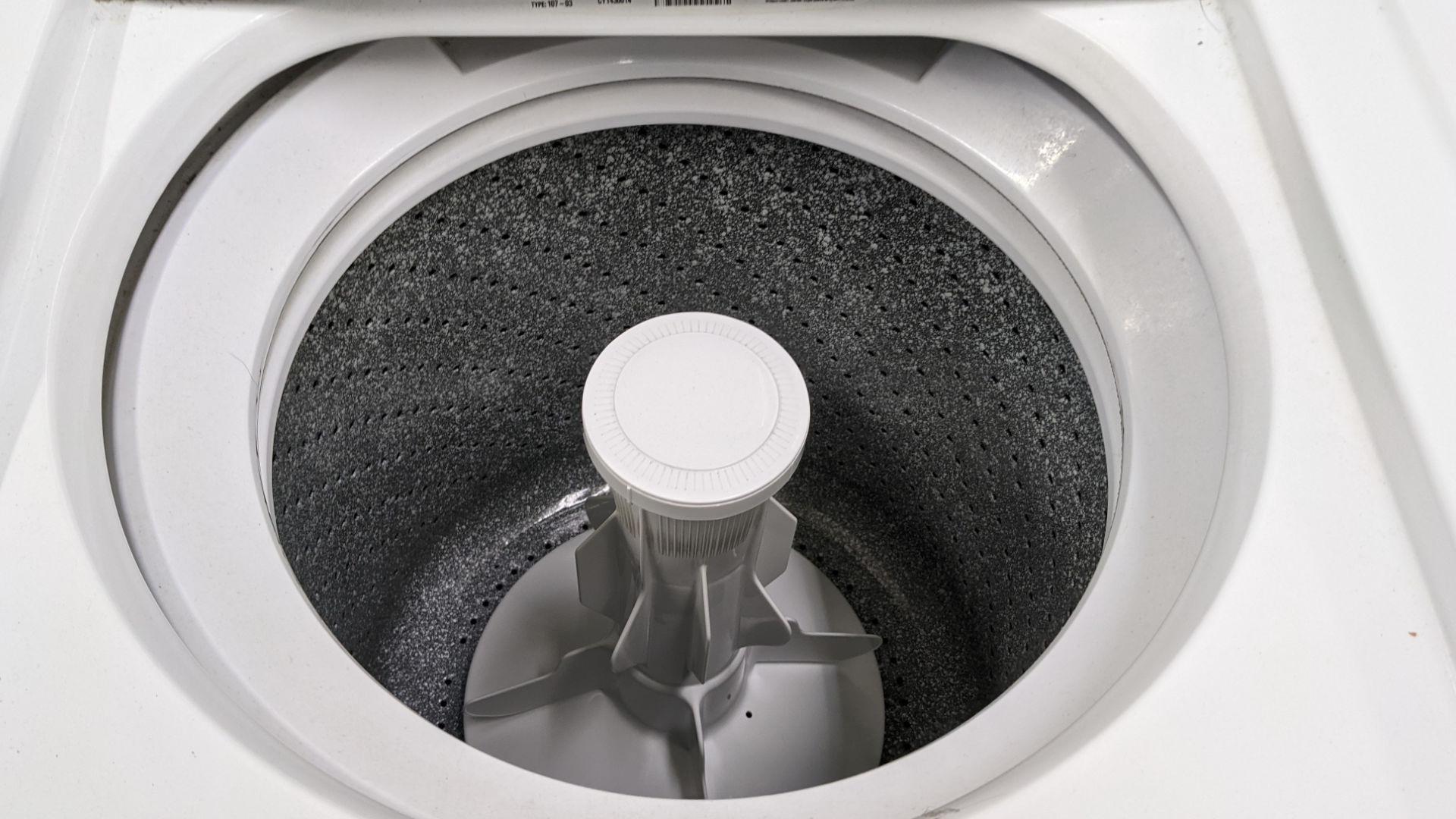
Credit: danmarcappliance.com
Frequently Asked Questions
Why Is My Washing Machine Not Filling With Enough Water?
A clogged inlet valve or low water pressure often causes low water fill in washing machines.
Can A Faulty Water Inlet Valve Cause Low Water Fill?
Yes, a damaged valve can block water flow, preventing the washer from filling properly.
Does Water Pressure Affect Washing Machine Fill Levels?
Low water pressure can reduce water flow, causing the machine to fill slowly or not enough.
How Does A Blocked Filter Impact Water Filling?
A dirty or blocked filter can restrict water entry, leading to insufficient water in the washer.
Can Incorrect Settings Cause The Washer To Fill Less Water?
Yes, selecting a smaller load or eco mode reduces water use and fill amount.
Conclusion
Washing machines need enough water to clean clothes well. Low water fill can cause poor washing results. Check the water supply and hoses first. Clean the inlet filters to remove blockages. Look at the water valve and pressure too. Small fixes often solve the problem quickly.
Regular care keeps your machine working right. Don’t wait when water won’t fill enough. Fixing it early saves time and money. Keep your laundry fresh and clean every time.