
Is your Ryobi pressure washer suddenly refusing to start or losing power? You rely on it to clean your driveway, deck, or car quickly, so when it stops working, it can be really frustrating.
But don’t worry—you’re not alone, and this problem often has simple fixes you can try yourself. You’ll discover easy steps to diagnose why your Ryobi pressure washer isn’t working and how to get it back up and running fast. Keep reading, and you’ll be back to tackling your cleaning tasks without hassle.
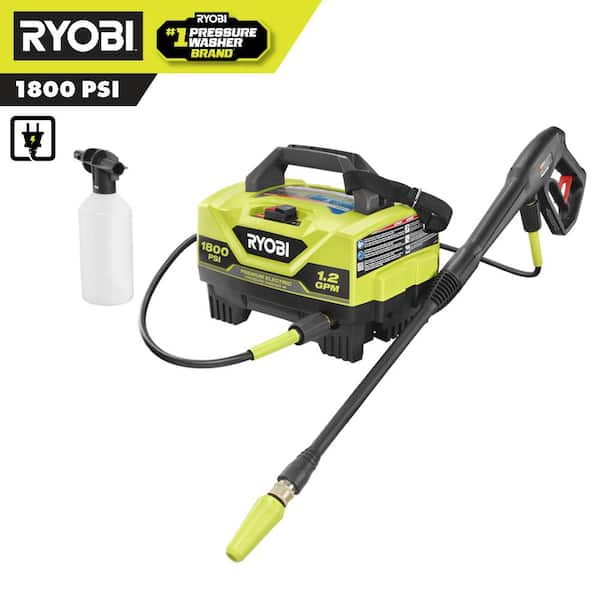
Credit: www.homedepot.com
Common Ryobi Pressure Washer Issues
Ryobi pressure washers are popular for home cleaning tasks. Still, they can face common problems that stop them from working. Knowing these issues helps you fix your washer quickly. This guide covers typical problems with Ryobi pressure washers.
Understanding these issues saves time and effort. It also keeps your pressure washer in good shape for longer use.
Power Problems
Power problems are common in Ryobi pressure washers. The washer might not start or stops suddenly. Check if the power cord is plugged in well. Look for any damage to the cord or plug. Sometimes, the circuit breaker trips and needs a reset. A faulty switch can also block power flow. Testing the outlet with another device helps find power issues.
Water Flow Issues
Poor water flow reduces cleaning power. Clogged water inlets or filters often cause this. Dirt and debris block the water path. Check the water supply for low pressure. Kinks or bends in the hose can also stop water flow. Make sure the water source is turned on fully. Clean or replace filters to restore flow.
Nozzle And Hose Troubles
Nozzles and hoses wear out over time. A blocked or damaged nozzle changes the spray pattern. This lowers cleaning efficiency. Check the nozzle for dirt and clear it carefully. The hose may leak or develop cracks. Replace damaged hoses to avoid water loss. Proper storage prevents hose and nozzle damage.
Pump Malfunctions
The pump is key to pressure washing. Pump problems cause low pressure or no spray. Running the pump without water can damage it. Look for leaks around the pump area. Old pump seals may need replacing. Regular maintenance keeps the pump working well. Use the correct oil type if your model requires it.
Basic Troubleshooting Steps
Basic troubleshooting helps find simple problems fast. It saves time and avoids costly repairs. Start with easy checks before calling a technician.
Checking The Power Source
Make sure the pressure washer is plugged in correctly. Check the outlet by plugging in another device. Look for tripped circuit breakers or blown fuses. Confirm the power switch on the washer is turned on. Use a different power cord if possible to rule out a faulty cable.
Inspecting The Water Supply
Connect the garden hose firmly to the water inlet. Turn on the water supply fully to ensure good flow. Check the hose for kinks or leaks that stop water flow. Look at the water pressure; low pressure can cause poor washer performance. Make sure there is no blockage in the water inlet filter.
Cleaning The Nozzle And Filters
Remove the nozzle and inspect it for dirt or debris. Soak the nozzle in warm water to loosen clogs. Use a small brush or needle to clear the nozzle holes. Check and clean the water inlet filter regularly. Dirty filters reduce water flow and damage the pump. Reinstall parts carefully to avoid leaks.
Fixing Power-related Problems
Power issues often cause Ryobi pressure washers to stop working. These problems can stop the washer from starting or running correctly. Fixing power-related problems is usually simple. It involves checking the plug, cord, and fuses. Follow these steps to find and fix the issue quickly.
Resetting The Gfci Plug
The GFCI plug protects against electrical shocks. It may trip and cut power to the pressure washer. Look for a small reset button on the plug. Press this button firmly to reset it. If the plug trips again, check for water or damage on the cord. Resetting the GFCI often restores power safely.
Testing The Power Cord
Damaged power cords can stop the washer from working. Inspect the cord for cuts, cracks, or exposed wires. Use a multimeter to test for continuity. No continuity means the cord is broken inside. Replace the cord if you find any damage. A good power cord ensures steady electricity flow.
Replacing A Blown Fuse
Some Ryobi washers have a fuse to protect the motor. This fuse can blow if there is an electrical fault. Locate the fuse cover near the power connection. Remove the fuse and check if the metal strip inside is broken. Replace it with the same type and rating. A new fuse can bring your washer back to life.

Credit: www.youtube.com
Resolving Water Flow Issues
Water flow problems can stop your Ryobi pressure washer from working well. These issues often cause weak spray or no water at all. Fixing water flow is key to making your washer run like new. Simple checks and fixes can help you get strong water pressure again.
Clearing Clogs In The Hose
Check the hose for dirt or debris blocking water flow. Remove the hose from the washer. Look through it to see if anything stops water. Use a long, thin object or water to push clogs out. Make sure the hose is straight and not twisted. Reconnect the hose and test the water flow.
Unblocking The Inlet Filter
The inlet filter stops dirt from entering the washer. It can get clogged over time. Turn off the machine and disconnect the water supply. Remove the inlet filter carefully. Rinse the filter under clean water to clear dirt. Use a soft brush if needed. Put the filter back and connect water. Check if the water flows better.
Adjusting Water Pressure Settings
Low water pressure may cause poor cleaning. Find the pressure control knob on your washer. Turn it to increase the pressure step by step. Test the spray after each change. Stop when the water feels strong but safe. Avoid setting pressure too high to protect the machine. Proper pressure keeps your washer working well.
Addressing Pump And Motor Issues
The pump and motor are key parts of your Ryobi pressure washer. Problems here often cause the machine not to work. Fixing these parts can bring your washer back to life.
Small issues with the pump or motor can stop water flow or reduce power. Checking these parts regularly helps catch problems early. Simple fixes like cleaning or lubricating can improve performance.
Checking For Leaks
Leaks in the pump or connections reduce pressure. Look for water dripping or wet spots under the machine. Check hoses and seals for cracks or holes. Tighten any loose fittings to stop leaks. Replace damaged parts to keep the pressure steady.
Lubricating Moving Parts
Moving parts in the pump need grease or oil to work smoothly. Without lubrication, parts wear out fast. Use the right lubricant for your model. Apply it to the pump shaft and motor bearings. Regular lubrication prevents noise and keeps parts turning freely.
When To Replace The Pump
Signs of a bad pump include low pressure, strange noises, or leaks. If cleaning and lubricating do not help, the pump might be damaged. Cracks or worn seals mean replacement is needed. A new pump restores full power and protects the motor from damage.

Credit: www.reddit.com
Preventive Maintenance Tips
Keeping your Ryobi pressure washer in good shape needs regular care. Preventive maintenance helps avoid breakdowns and keeps the machine working well. Simple steps can save time and money on repairs. This guide shares easy tips to maintain your pressure washer.
Regular Cleaning Routine
Clean the pressure washer after each use. Remove dirt from the nozzle and hose. Check the water inlet filter for clogs. Rinse the detergent tank to stop buildup. Wipe down the exterior to prevent rust. A clean machine runs better and lasts longer.
Proper Storage Practices
Store the pressure washer in a dry, cool place. Avoid leaving it outside in bad weather. Drain all water from the pump and hoses before storage. Use a pump protector or antifreeze in cold months. Keep the power cord untangled and off the ground. Good storage stops damage and keeps parts safe.
Seasonal Maintenance Advice
Perform a full check before and after each season. Inspect hoses and seals for cracks or leaks. Change the oil if your model needs it. Test the spray gun and nozzle for proper function. Replace worn parts early to avoid bigger problems. Seasonal care keeps your washer ready for use year-round.
Frequently Asked Questions
Why Is My Ryobi Pressure Washer Not Starting?
Check the power source, fuel level, and ensure the on/off switch is in the right position.
What Causes Low Pressure In A Ryobi Pressure Washer?
Clogged nozzles, dirty filters, or leaks can reduce pressure in your Ryobi washer.
How Do I Fix A Ryobi Pressure Washer That Won’t Spray Water?
Inspect the hose and nozzle for blockages and make sure the water supply is connected.
Can A Ryobi Pressure Washer Engine Fail To Turn Over?
Yes, a dirty spark plug or old fuel can stop the engine from turning over.
How Often Should I Clean My Ryobi Pressure Washer Filters?
Clean filters after every 5 hours of use to keep your washer running smoothly.
Conclusion
Troubleshooting your Ryobi pressure washer can save time and money. Check power, water supply, and hose connections first. Clean filters and nozzles to improve performance. Test each part carefully for any damage or blockages. Regular maintenance keeps your washer working well longer.
Small fixes often solve common issues quickly. Keep these tips handy for future problems. Stay patient and methodical while fixing your washer. This approach helps you get back to cleaning fast and easy.