
Imagine walking into your kitchen and seeing your white cabinets gleaming, just like the day they were installed. White kitchen cabinets can transform any kitchen into a bright, inviting space.
But as you know, they can also show every smudge, fingerprint, and speck of dust. Keeping them clean and pristine is a task that might seem daunting, but what if you could make it easy and efficient? You have the power to maintain that fresh, elegant look in your kitchen without spending endless hours scrubbing.
You will discover straightforward methods and insider tips to clean your white kitchen cabinets effectively. Whether it’s battling stubborn stains or keeping fingerprints at bay, you’ll find solutions that work. Imagine how satisfying it will be to see your cabinets shine every day, reflecting the care and attention you put into your home. Let’s dive into the secrets of achieving that spotless finish you desire.

Credit: www.loveandrenovations.com
Choosing The Right Cleaning Products
Keeping your white kitchen cabinets clean can be a challenge, but choosing the right cleaning products makes all the difference. The wrong products can damage the cabinet surfaces, leaving you with costly repairs. Imagine finding the perfect cleaner that not only cleans effectively but also preserves the beauty of your cabinets. Let’s dive into the specifics of selecting safe and efficient cleaning solutions that cater to different cabinet materials.
Safe Cleaners For Wood Cabinets
Wood cabinets can be delicate, so it’s crucial to use gentle cleaners. Opt for products labeled as safe for wood. These cleaners usually contain natural oils that nourish the wood rather than strip it. A mix of mild dish soap and warm water can be effective too.
Consider using vinegar diluted with water for a natural approach. It’s gentle enough for daily cleaning and doesn’t leave residue. Avoid harsh chemicals that can cause discoloration or damage over time.
Have you ever used a harsh cleaner and regretted it? Learn from those mistakes and prioritize the longevity of your wood cabinets by choosing safer alternatives.
Effective Solutions For Laminate Surfaces
Laminate surfaces are more forgiving than wood but still require care. Use non-abrasive cleaners to prevent scratches. A mixture of vinegar and water can work wonders here as well, cutting through grease without harming the surface.
If you prefer commercial products, look for those specifically designed for laminate. These cleaners often contain ingredients that enhance shine without compromising the material’s integrity.
Have you tried cleaning with baking soda? It’s a gentle abrasive that can tackle stubborn stains without damaging the laminate. Just ensure it’s fully dissolved in water to avoid scratching.
Have you ever wondered why your cabinets lose their shine after cleaning? Choosing the right cleaning products can help maintain the original luster and extend the life of your kitchen cabinets.

Credit: guilincabinets.com
Step-by-step Cleaning Process
Maintaining the pristine look of white kitchen cabinets can be challenging. They easily show dirt, stains, and fingerprints. A consistent cleaning routine helps keep them bright and welcoming. This step-by-step guide will walk you through daily maintenance and deep cleaning techniques. Follow these tips to ensure your white cabinets remain spotless and attractive.
Daily Maintenance Tips
Dust your cabinets regularly. Use a soft cloth or duster to remove surface dust. Wipe down the cabinet doors with a damp cloth. Ensure the cloth is not too wet to avoid moisture damage. Use a gentle soap solution for daily cleaning. Mix a few drops of dish soap with warm water. Dip a soft cloth in the solution. Wipe the cabinet doors gently. Rinse the cloth and wipe again to remove soap residue. Dry the surface with a clean, dry towel.
Deep Cleaning Techniques
Prepare a deep cleaning solution. Mix equal parts of white vinegar and water. Vinegar effectively cuts through grime and grease. Use a spray bottle for easy application. Spray the solution onto the cabinets. Allow it to sit for a few minutes. This loosens stubborn dirt and stains. Scrub gently with a soft-bristle brush. Focus on areas with heavy buildup. Wipe off the solution with a damp cloth. Rinse and dry the surface thoroughly. For tough stains, baking soda works wonders. Make a paste with baking soda and water. Apply it to the stain. Let it sit for a few minutes. Gently scrub and wipe away the paste.
Dealing With Stubborn Stains
Cleaning white kitchen cabinets can be simple with the right approach. Use a mild detergent mixed with warm water. Gently scrub the stains with a soft cloth, ensuring a fresh, bright appearance. Regular maintenance helps in keeping the cabinets spotless and inviting.
Dealing with stubborn stains on your white kitchen cabinets can feel like a daunting task. It might remind you of those times when you spilled coffee and spent hours scrubbing the countertops. The good news is, with the right approach, you can tackle these pesky stains and restore the pristine look of your cabinets. Let’s dive into some practical solutions.
###
Removing Grease Build-up
Grease is a common culprit in kitchens, often lurking in places you least expect. You might have noticed it building up around handles and edges where your hands frequently touch. To tackle this, mix one part vinegar with two parts water in a spray bottle.
Spray the solution directly onto the greasy areas. Let it sit for a few minutes to break down the grease. Then, use a soft cloth to wipe it away. Repeat the process if necessary, but avoid scrubbing too hard to prevent damaging the cabinet’s finish.
###
Tackling Hard Water Spots
Hard water spots can leave your cabinets looking less than stellar. If you’ve ever dealt with them on your shower glass, you know how persistent they can be. A simple remedy involves a paste made from baking soda and water.
Apply the paste to the spots using a damp cloth. Gently rub in a circular motion to lift the mineral deposits. Rinse the area with clean water and dry it with a soft towel. This method ensures your cabinets remain spotless without any harsh chemicals.
Remember, maintaining the beauty of your white kitchen cabinets requires regular care. Are there other tricks you’ve found effective in dealing with stubborn stains? Sharing your experience could help others keep their kitchens sparkling clean.
Preventing Future Dirt And Stains
White kitchen cabinets shine brighter with regular cleaning and care. Prevent future stains by using gentle cleansers and soft cloths. Keeping cabinets dry helps maintain their pristine appearance.
Keeping white kitchen cabinets pristine can be a challenge, but preventing future dirt and stains is entirely possible with a few proactive steps. Imagine walking into your kitchen every day and seeing spotless cabinets that add brightness to your space. Wouldn’t that be refreshing? Let’s dive into some strategies to keep your cabinets looking new.
Protective Coatings And Finishes
Applying a protective coating can be a game changer. Consider using a clear sealant or a specialized cabinet finish that repels moisture and dirt. These products can be easily found at your local hardware store.
A friend once shared her secret: she used a water-based polyurethane finish, which not only protected her cabinets but also gave them a subtle sheen. It made cleaning spills a breeze because liquids couldn’t penetrate the surface.
Think about the time you save with less frequent deep cleaning. Wouldn’t you rather spend your weekend relaxing than scrubbing away stubborn stains?
Organizational Tips To Minimize Mess
Having a well-organized kitchen can significantly reduce the mess that leads to cabinet stains. Start by arranging your kitchen items in a way that makes sense to you. Keep frequently used items within easy reach to minimize unnecessary spills.
Use drawer organizers and shelf liners to create designated spaces for everything. This helps in avoiding the chaos that often leads to accidental spills and stains.
Consider the power of labels. Labeling jars and containers helps everyone know where things go, reducing the chances of sticky fingers leaving marks on your cabinets.
Do you ever find yourself searching for that elusive spice jar, only to knock over another item? With a bit of organization, you can prevent such mishaps and keep your cabinets spotless.
Preventing future dirt and stains on your white kitchen cabinets is not just about products—it’s also about habits. With these strategies, your cabinets can stay bright and clean, creating a welcoming kitchen space every day.
Natural And Homemade Cleaners
Keeping white kitchen cabinets clean can be a daunting task. Natural and homemade cleaners offer a gentle yet effective solution. They are eco-friendly and safe for your family. These methods use simple ingredients found at home. Let’s dive into the best options for maintaining sparkling cabinets.
Vinegar And Baking Soda Mixtures
Vinegar and baking soda make a powerful cleaning duo. Mix one part vinegar with two parts water in a spray bottle. Sprinkle baking soda directly on a damp sponge. Spray the vinegar solution onto the cabinets. Gently scrub with the sponge. The mixture breaks down grease and grime effectively. Rinse with a damp cloth to remove residue. This method leaves your cabinets spotless and bright.
Essential Oils For Fragrance And Freshness
Essential oils add a pleasant scent to your cleaning routine. Add a few drops of lemon or lavender oil to your vinegar solution. These oils not only smell great but also enhance cleaning power. They help in cutting through stubborn stains and grease. Essential oils also have antibacterial properties. This keeps your kitchen cabinets fresh and hygienic. A natural way to enjoy a clean and fragrant kitchen space.
Maintaining Cabinet Hardware
Cleaning white kitchen cabinets ensures they stay bright and fresh. Use a soft cloth with mild detergent for daily maintenance. Avoid harsh chemicals to prevent damage. Regular wiping removes stains and keeps your kitchen looking clean.
Maintaining cabinet hardware is key to keeping your white kitchen cabinets looking pristine. While a spotless surface catches the eye, gleaming knobs and smoothly functioning hinges offer a complete picture of cleanliness. The more attention you give to these small details, the longer your cabinets will last and the more appealing they’ll be.
A while back, I realized that my kitchen looked immaculate from afar, but a closer inspection revealed grimy handles and squeaky hinges. It was a wake-up call. Are you missing these hidden spots in your cleaning routine?
Cleaning Knobs And Handles
First, gather your supplies. You’ll need a soft cloth, mild soap, and warm water. Avoid abrasive cleaners which can damage finishes.
Remove the knobs and handles if possible. This allows you to clean thoroughly. Soak them in warm soapy water for about 10 minutes.
Use the cloth to wipe away any grime. Pay attention to intricate designs where dirt might hide.
Dry them completely before reattaching. This prevents moisture buildup, which can lead to rust.
Regular cleaning keeps them looking new and prevents buildup that can damage the finish. You’ll notice the difference immediately—shiny handles make a kitchen feel brand new.
Lubricating Hinges
Squeaky hinges can be annoying. They also signal wear and tear. To combat this, lubrication is your best friend.
Start by cleaning the hinges with a damp cloth to remove dust and debris. This ensures the lubricant works effectively.
Choose a silicone-based lubricant. It’s great for metal and won’t attract dust. Apply a small amount directly onto the hinge.
Move the door back and forth to distribute the lubricant evenly. This not only stops the squeaking but also prolongs the hinge’s lifespan.
Have you ever noticed how smoothly a door swings after proper care? It’s a subtle change that makes using your kitchen more enjoyable.
Maintaining cabinet hardware isn’t just about aesthetics—it’s about creating a kitchen that functions smoothly and feels welcoming. Give those knobs and hinges a little love, and watch your kitchen transform!
When To Seek Professional Help
White kitchen cabinets bring elegance and brightness to your space. But cleaning them can sometimes be challenging. Knowing when to call a professional is important. Professionals can handle tough situations that regular cleaning can’t fix. Let’s explore when professional help becomes necessary.
Identifying Severe Damage
Examine your cabinets for signs of severe damage. Look for deep scratches or stubborn stains. These issues might need specialized products or techniques. Water damage is another concern. Swollen wood or peeling paint can indicate water issues. Mold growth is serious. It can affect health and requires expert treatment.
Check for structural problems. Loose hinges or warped doors need professional attention. If your cabinets don’t close properly, it might be time for help. These issues can worsen if not addressed quickly.
Cost-benefit Of Professional Services
Consider the cost-benefit of hiring professional services. Professionals save you time and effort. They have tools and expertise to do the job well. While there is a cost, it can prevent bigger expenses later. Replacing cabinets is costly. Proper cleaning and maintenance extend their life.
Think about the value of your time. Cleaning can be time-consuming and frustrating. Professionals handle it efficiently. Their services might offer warranties or guarantees. This adds peace of mind. Assess the long-term benefits versus the immediate cost. It could be a worthwhile investment for your home.
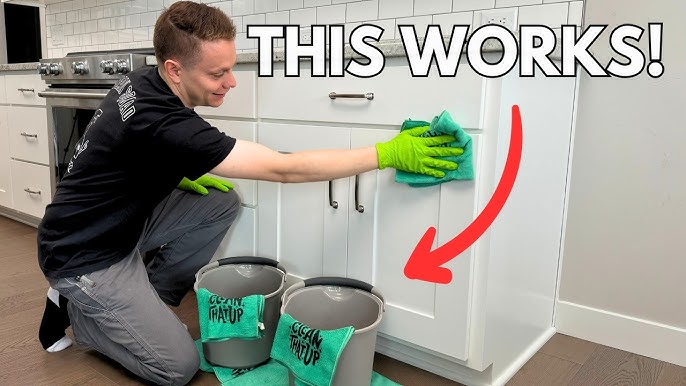
Credit: www.youtube.com
Frequently Asked Questions
What Is The Best Thing To Clean White Cabinets With?
Use a mix of warm water and mild dish soap to clean white cabinets. Wipe with a soft cloth for best results. For tough stains, use vinegar diluted with water. Avoid abrasive cleaners to prevent damage. Regular cleaning helps maintain their shine and keeps them looking pristine.
How Do You Clean Kitchen Cabinets Without Removing The Finish?
Use a mild dish soap mixed with warm water to clean cabinets. Apply gently using a soft cloth. Avoid abrasive cleaners and scrubbers to protect the finish. Dry cabinets with a clean towel to prevent water damage. Regular maintenance keeps cabinets looking fresh and preserves their finish.
How To Clean Grease Off Of White Kitchen Cabinets?
Use a mix of warm water and mild dish soap. Scrub gently with a soft cloth or sponge. Rinse and dry thoroughly. For stubborn stains, try vinegar or baking soda. Avoid harsh chemicals to prevent damage to the cabinets. Regular cleaning helps maintain a pristine look.
How To Make Cabinets Look White Washed?
To achieve a white-washed look on cabinets, first sand them lightly. Apply a white-wash mixture using equal parts water and white latex paint. Use a brush or cloth to apply the mixture, then wipe excess with a clean cloth. Allow drying completely for a natural, rustic finish.
How Do I Remove Stains From White Cabinets?
Use a mix of baking soda and water. Rub gently with a soft cloth.
Conclusion
Cleaning white kitchen cabinets can be easy with the right steps. Regular care keeps them bright and fresh. Use gentle cleaners to avoid damage. Wipe spills quickly to prevent stains. Soft cloths work best for drying. Consistent maintenance saves time and effort.
Your kitchen stays inviting and clean. Appreciate the beauty of white cabinets daily. Enjoy the clean and organized space. Keep these tips in mind for lasting results. Happy cleaning!